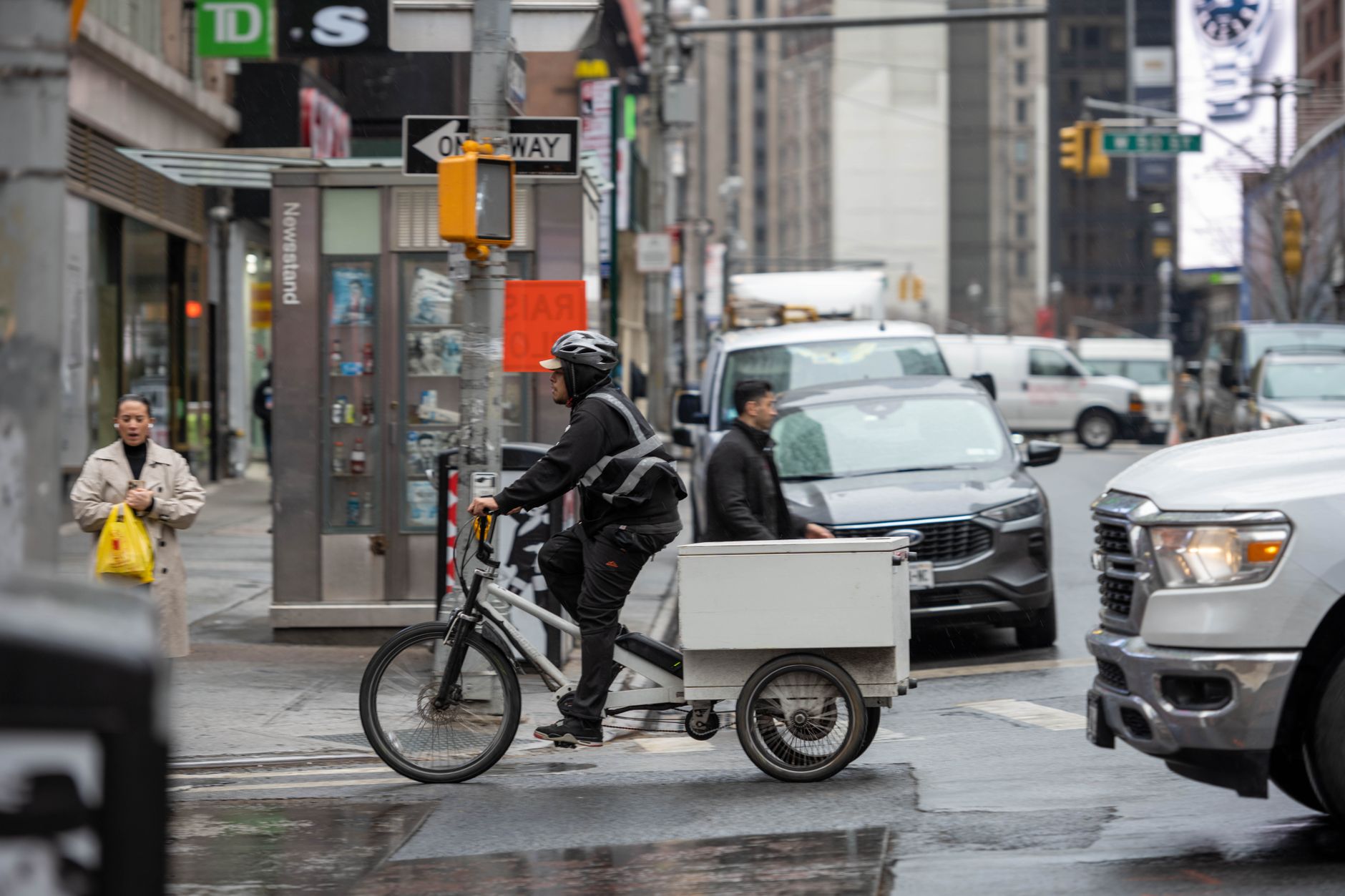

The longtail (cargo extended, rear wheel offset for loading behind the rider) has become the Swiss Army knife of bike mobility: transporting children, large shopping trips, delivery. But they're not all equal. Here's how to rank them and the criteria that should guide your choice.
The criteria that matter
Before the ranking, the parameters that decide:
- Total payload (rider + cargo): from ~150 to 200+ kg depending on models. This is THE figure to check.
- Motorization: mid-drive motor (Bosch, Shimano, Yamaha) strongly recommended — torque matters, loaded and uphill.
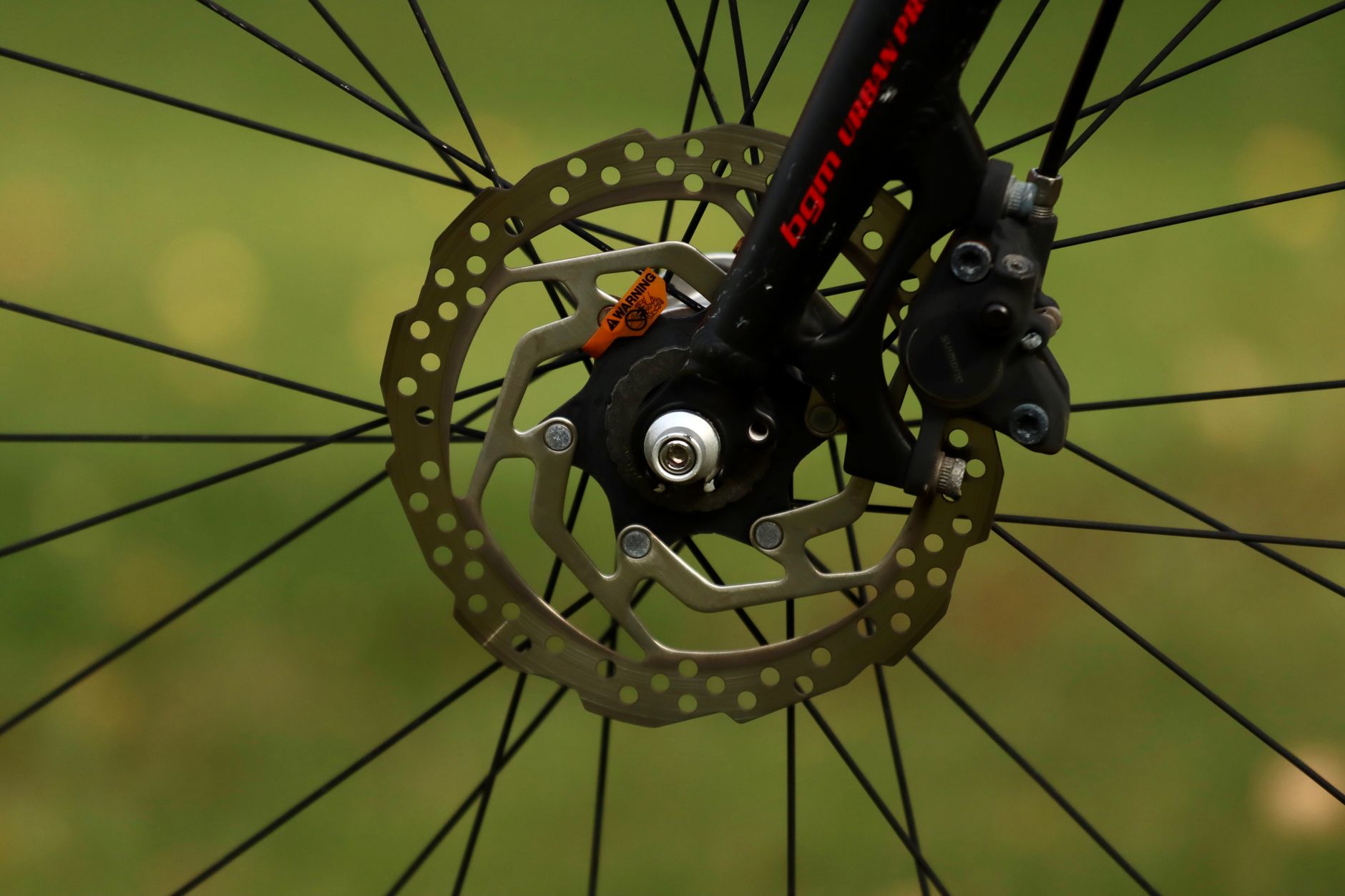
- Brakes: hydraulic disc essential, ideally 4-piston on heavy models.
- Battery / double battery: autonomy drops fast when loaded. The possibility of a 2nd battery changes everything.
- Double kickstand stable for safe loading, and accessories (child seats, panniers, cargo racks).
- Wheel standard and parts availability: a cargo that runs much needs maintenance.
The ranking by use
Rather than a single "best", the right longtail depends on use:
| Use | What matters | Longtail profile |
|---|---|---|
| Family (2 children) | Payload, stability, kickstand, safety | Premium longtail, mid-drive, double battery |
| Large shopping / daily | Versatility, price, autonomy | Mid-range longtail balanced |
| Delivery / professional | Robustness, payload, easy maintenance | Robust longtail, beefy brakes, parts available |
| Budget-conscious | Price, simplicity | Entry-level longtail or pedal-powered |
How to read the "tops" on the market
The models that top premium comparisons (established cargo brands) focus on high payload, double battery, oversized brakes and a full accessory catalog — at a high price. Mid-range models and major retailers' references offer the essentials (mid-drive, hydraulic disc, decent payload) at a more accessible price, sometimes with a single battery and fewer accessories. Entry-level sacrifices payload, autonomy or braking quality — only for light use.