
A guessed torque is a potential accident
On a motorcycle, a poorly torqued bolt can have dramatic consequences. An under-torqued wheel axle means a wheel that develops play while riding. An over-torqued spark plug means stripped cylinder head threads. A brake calliper not at spec means braking failure.
A torque wrench isn't a luxury — it's a safety tool.
The essential torque table
Here are the most common torque ranges. Warning: these are general ranges. Always verify the exact value in the workshop manual for your specific model.
- Front wheel axle: 60-75 Nm
- Rear wheel axle: 100-150 Nm
- Spark plugs: 12-18 Nm (depending on aluminium or cast iron head)
- Front brake callipers: 25-40 Nm
- Rear sprocket: 40-60 Nm
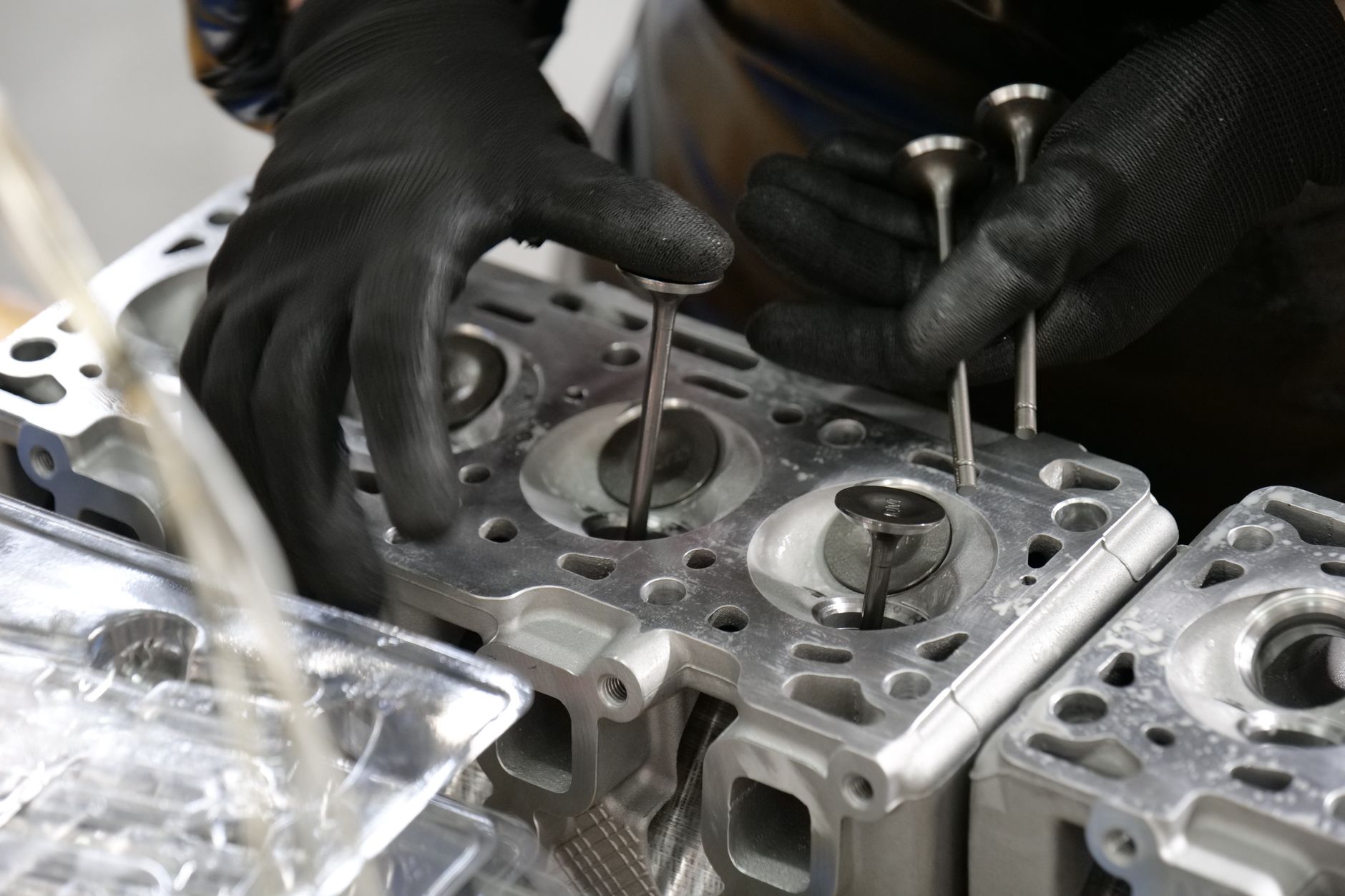
- Cylinder head bolts: see workshop manual (cross pattern, often in multiple passes)
- Oil drain plug: 20-30 Nm
Cylinder head bolts are a special case: tightening follows a cross pattern, often in 3 progressive passes, and sometimes with a final angle torque. Never improvise — follow the exact manufacturer procedure.
Why the ranges are wide
Every manufacturer uses different hardware, materials, and thread pitches. A Honda rear axle in M14 doesn't have the same torque as a Kawasaki in M16. Thread pitch, diameter, crankcase material, rim material — everything matters.
That's why the generic value isn't enough. It gives you a ballpark so you're not wildly off, but only the manufacturer's value is reliable.