
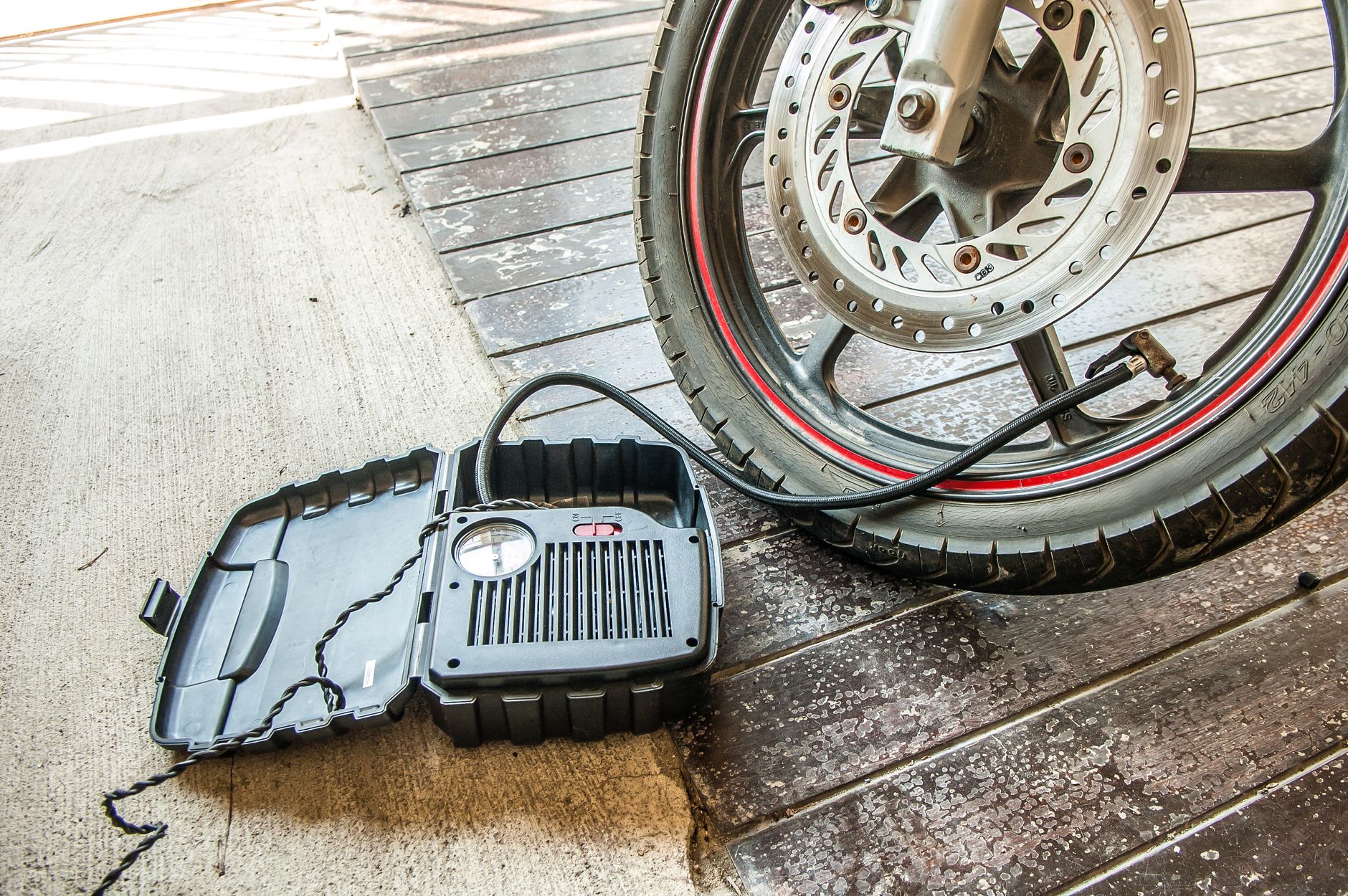
Why pressure is fundamental
Your tyre pressure affects everything: comfort, grip, rolling resistance and puncture risk. Over-inflated, you bounce over every road imperfection and lose traction. Under-inflated, you risk pinch flats (snakebites) and feel like you're riding through treacle.
The right pressure depends on three factors: tyre width, rider weight (bike + gear included), and terrain type.
The reference chart
Road (inner tube)
- 700x23: 7-8.5 bar (rider < 70 kg: 7 bar, > 85 kg: 8.5 bar)
- 700x25: 6-8 bar (the current standard, good comfort/efficiency compromise)
- 700x28: 5.5-7 bar (comfort trend, ideal if your frame allows it)
- 700x32: 4.5-6 bar (endurance, an increasingly popular width)
Gravel
- 700x35: 3.5-5 bar (smooth trails, low technicality)
- 700x40: 3-4.5 bar (the gravel standard)
- 700x45: 2.5-3.5 bar (rough gravel, forest tracks)
Mountain bike
- 29x2.2: 1.8-2.2 bar (XC with tubes)
- 29x2.4: 1.6-2.0 bar (trail, all-mountain)
- 27.5x2.5: 1.5-1.9 bar (enduro)
- 27.5x2.6+: 1.2-1.6 bar (plus tyres, maximum grip)
The tubeless factor: -0.2 bar
If you ride tubeless, subtract roughly 0.2 bar from the values above. The absence of an inner tube eliminates pinch flat risk, letting you run lower pressures for extra comfort and grip.
Example: a 700x40 gravel tubeless setup, 75 kg rider = 3.0-3.2 bar instead of 3.2-3.5 bar.
The impact of rider weight
Weight is the most underestimated factor. A 60 kg rider and a 90 kg rider should never run the same pressure on the same tyre.
Simple rule for road: start at the low end of the chart if you're under 70 kg, at the high end if you're over 85 kg. In between, interpolate.
Simple rule for MTB: add or subtract 0.1 bar per 5 kg around the 75 kg baseline.


