
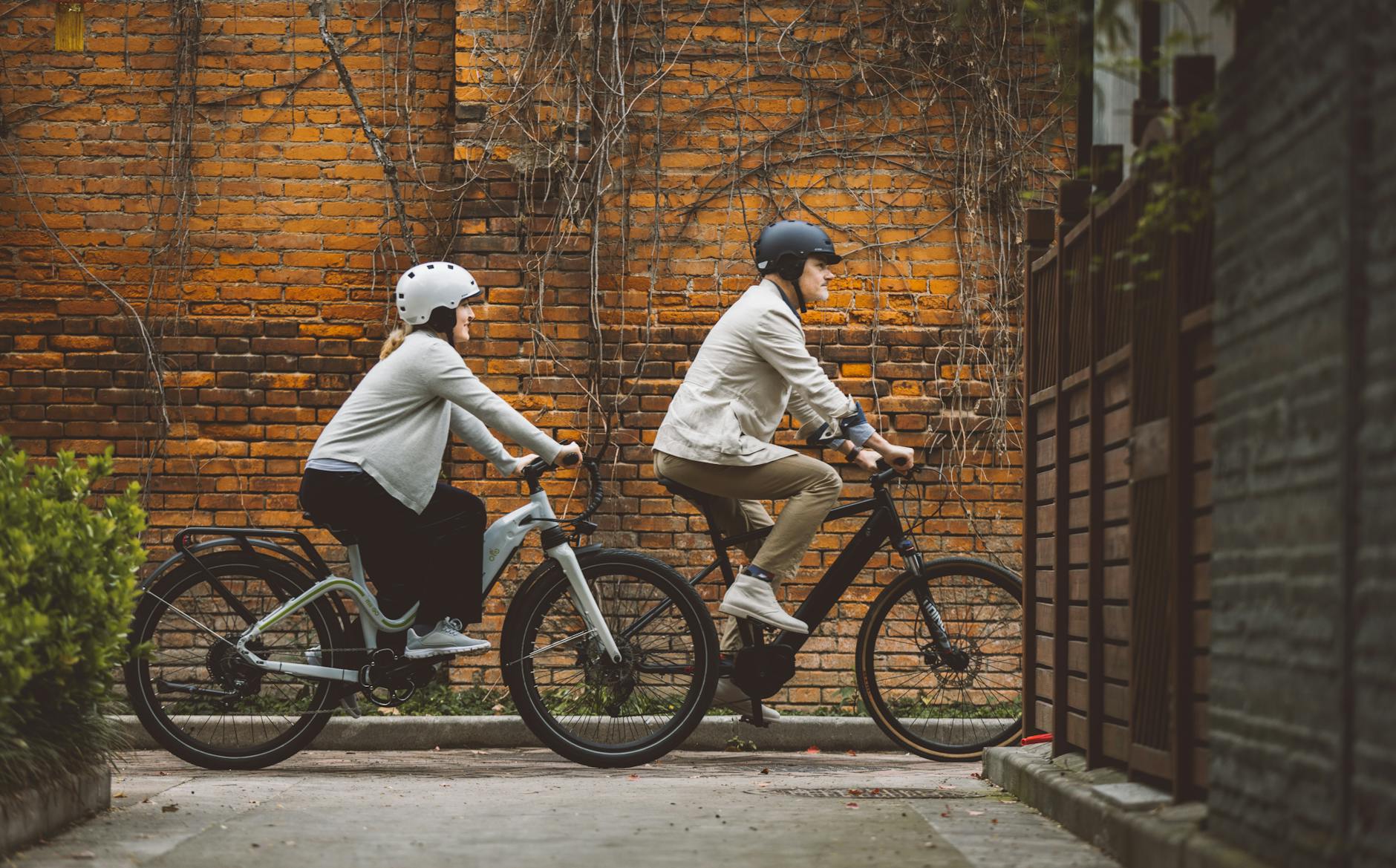
In the United States, electric bicycles (e-bikes) are classified under a three-class system adopted by most states. Understanding Class 1, 2, and 3 is essential: it determines speed, the type of assistance, and where you're legally allowed to ride.
The Three Classes
- Class 1: pedal-assist only (pedal-assist), motor cuts out at 20 mph (32 km/h). No throttle. Most universally accepted (bike lanes, multi-use paths).
- Class 2: throttle (twist or push button to go without pedaling), motor also cuts out at 20 mph (32 km/h). Handy in the city; sometimes restricted on certain trails.
- Class 3: pedal-assist only, motor cuts out at a higher speed, 28 mph (45 km/h). Often requires a speedometer. Great for faster commutes, but restricted: frequently banned from shared paths (bike lanes, MUPs) and may require a minimum age / helmet depending on the state.
Motor Power
Most states cap the motor at 750 W (1 hp). Above that, the vehicle may be reclassified as a moped, requiring registration and a license.
Where Can You Ride?
This is where class really matters:
- Class 1 is generally allowed anywhere a regular bike goes.
- Class 2 is often OK in cities but less welcome on mountain biking trails.
- Class 3 is quick but banned from many shared paths—it lives on roads and bike lanes.
Rules vary by state and even municipality: check local laws before buying, especially for a Class 3.