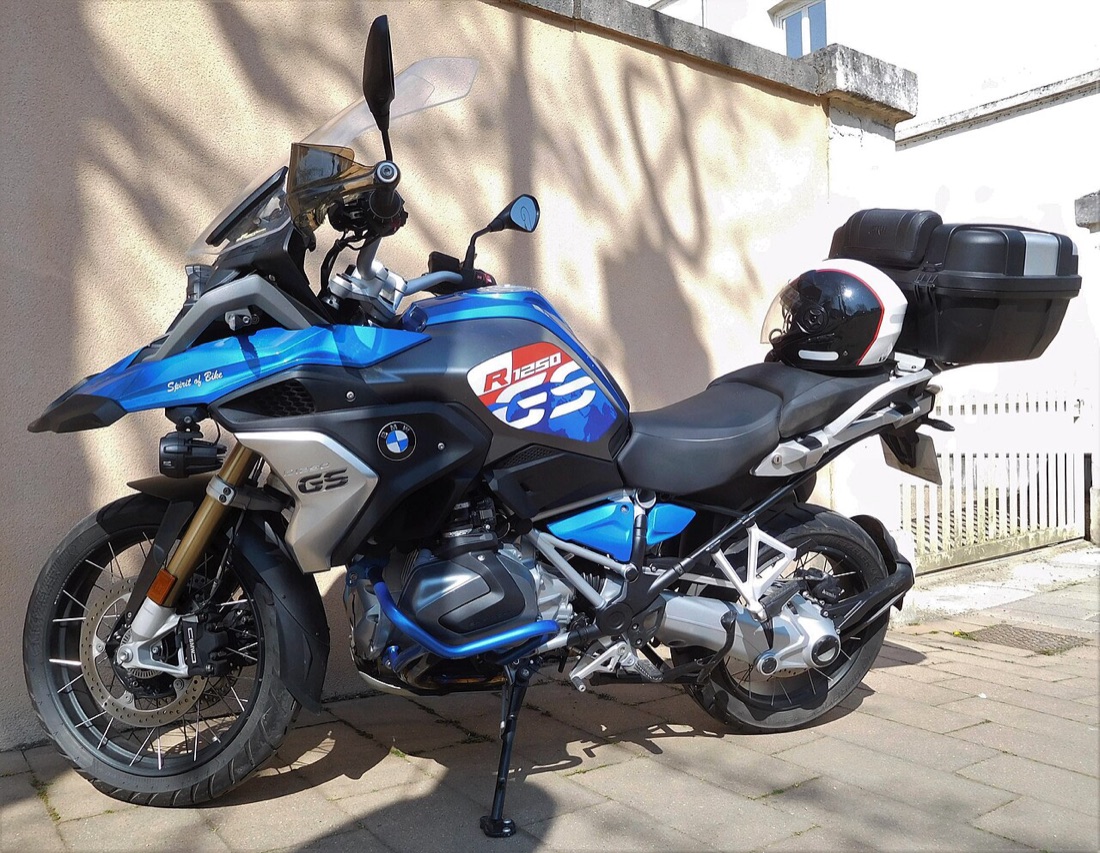

When the riding season ends in the northern United States, the same question comes up every year: how do you winterize your motorcycle so it fires up instantly in spring? A poorly stored bike means a gummed-up carburetor, a dead battery, and sometimes mice in the airbox. Here's the complete checklist.
Fuel: Ethanol Is the Enemy
Standard US gasoline (E10) contains ethanol, which attracts moisture and breaks down over months of storage. You have two options:
- Top off the tank and add fuel stabilizer (like Sta-Bil), then ride for a few minutes so it circulates through the fuel injectors or carburetor. A full tank prevents condensation and rust inside the tank.
- Use ethanol-free gas (non-ethanol) if you can find it—it's far more stable in storage.
Battery: Get a Battery Tender
Cold kills discharged batteries. Hook up a battery tender (trickle charger) for the entire winter, or pull the battery and store it in a warm place on a maintainer. A battery left flat can freeze and sulfate permanently.
Oil and Fluids
Do an oil change before storing, not after: used oil contains acids that attack the engine during months of sitting. Check your brake fluid and coolant too.
Tires
Inflate to the maximum pressure listed on the sidewall, and if possible put the bike on a centerstand or jack to avoid flat spots that develop when weight stays in the same spot for months on end.