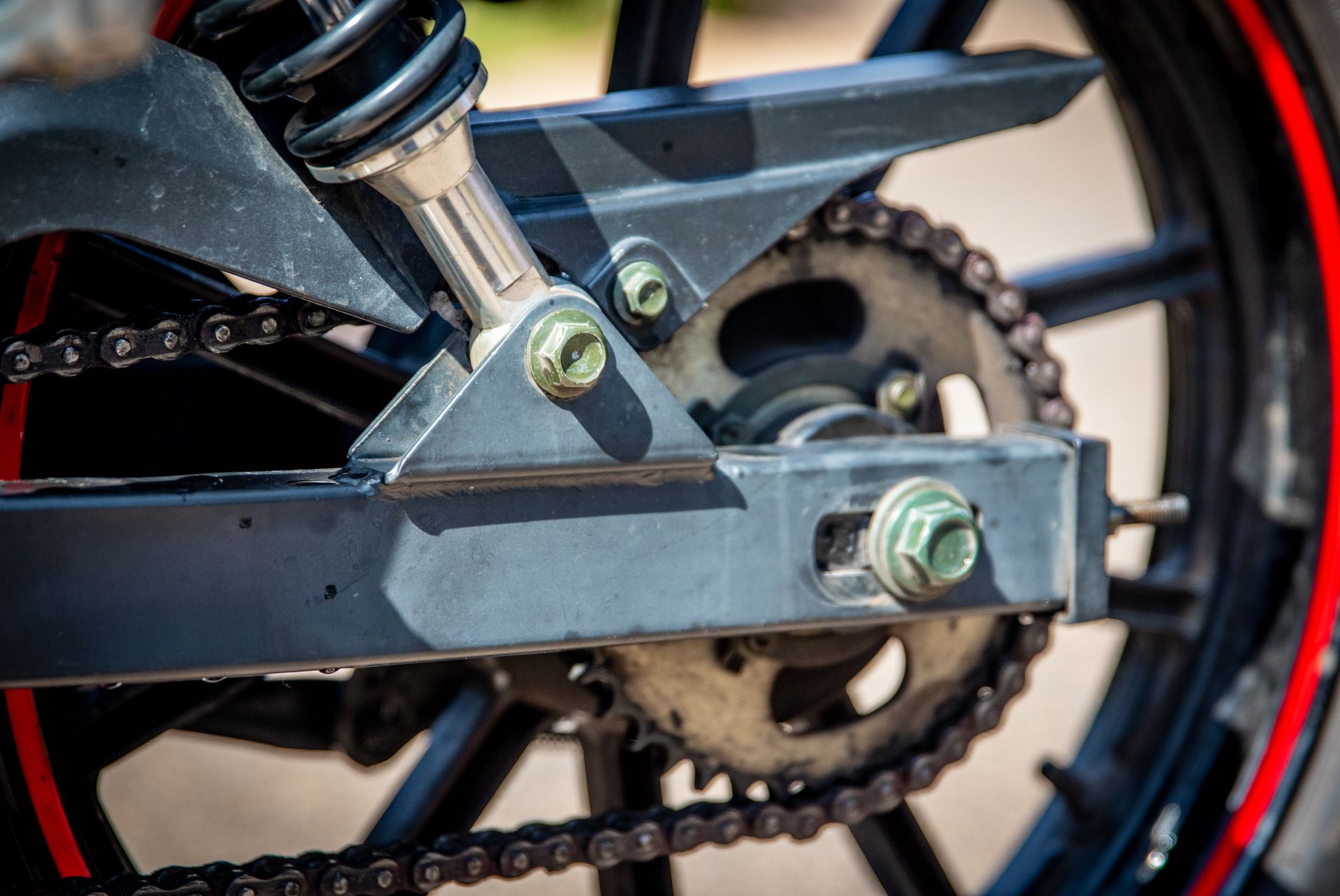
After years chasing displacement, the American motorcycle market has refocused on a category long overlooked: the middleweight parallel twin (650–900 cc), in both roadster and trail form. This isn't accident, it's technical convergence.
The parallel twin: heart of the trend
The parallel twin is back at the center: compact, light, cheap to produce, it delivers an excellent compromise. Engine designers have adopted 270-degree crank phasing that mimics the temperament and character of a V-twin, with rich midrange torque — exactly what you want on pavement and in town, far from pointy sportbikes.
Low-end torque, not peak power
The buyer in this category isn't chasing lap times: they want engine availability — pulling hard at low revs without downshifting, exiting corners effortlessly. A well-tuned 700–900 cc twin does that better than a four-cylinder that only wakes up high. Hence the success of middleweight roadsters and trails.
Controlled weight: the key argument
Fewer cylinders, lighter frame, reasonable seat height: these bikes are accessible (beginners, varied riders, confidence-building after time away). This is a major buying factor in the USA, where motorcycle demographics are diversifying.