
Combien vaut votre vélo ou votre moto ?
Testez le prix de vente de votre vélo ou de votre moto : fourchette gratuite en 2 minutes, annonces comparables de votre pays. Sans inscription.
Estimez, comparez, réparez
Estimez la cote de votre vélo ou de votre moto en 2 minutes, puis explorez notre bibliothèque de modèles : specs, entretien, prix du marché.
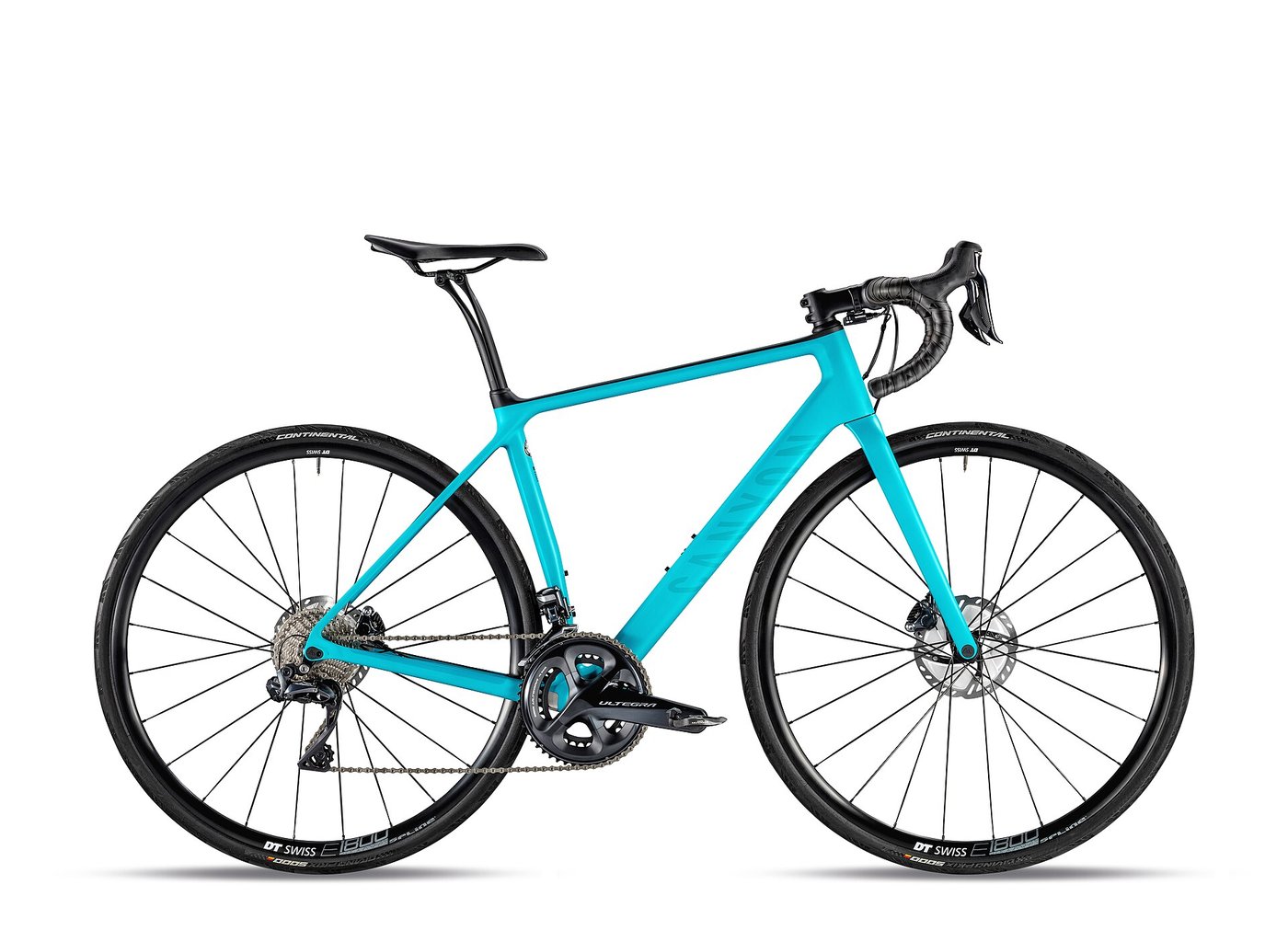 Cote estiméeCanyon Endurace · 1 400 – 1 700 €
Fourchette gratuite, rapport détaillé avec annonces comparables de votre pays.
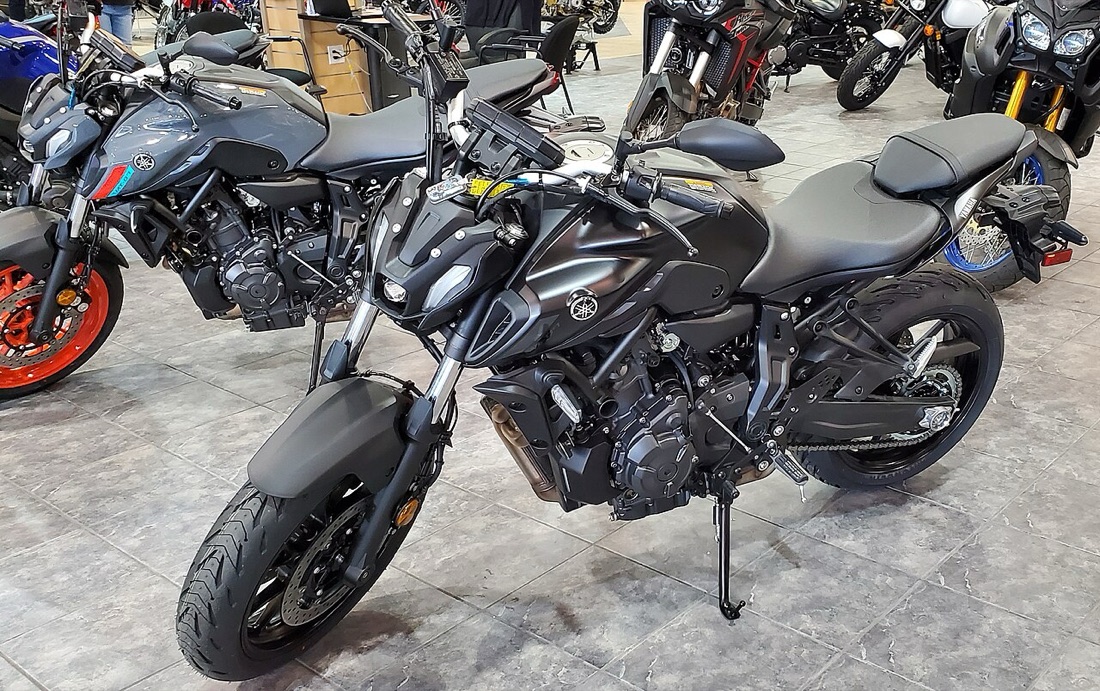 Cote estiméeYamaha MT-07 · 4 300 – 5 200 €
Fourchette gratuite, rapport détaillé avec annonces comparables de votre pays.
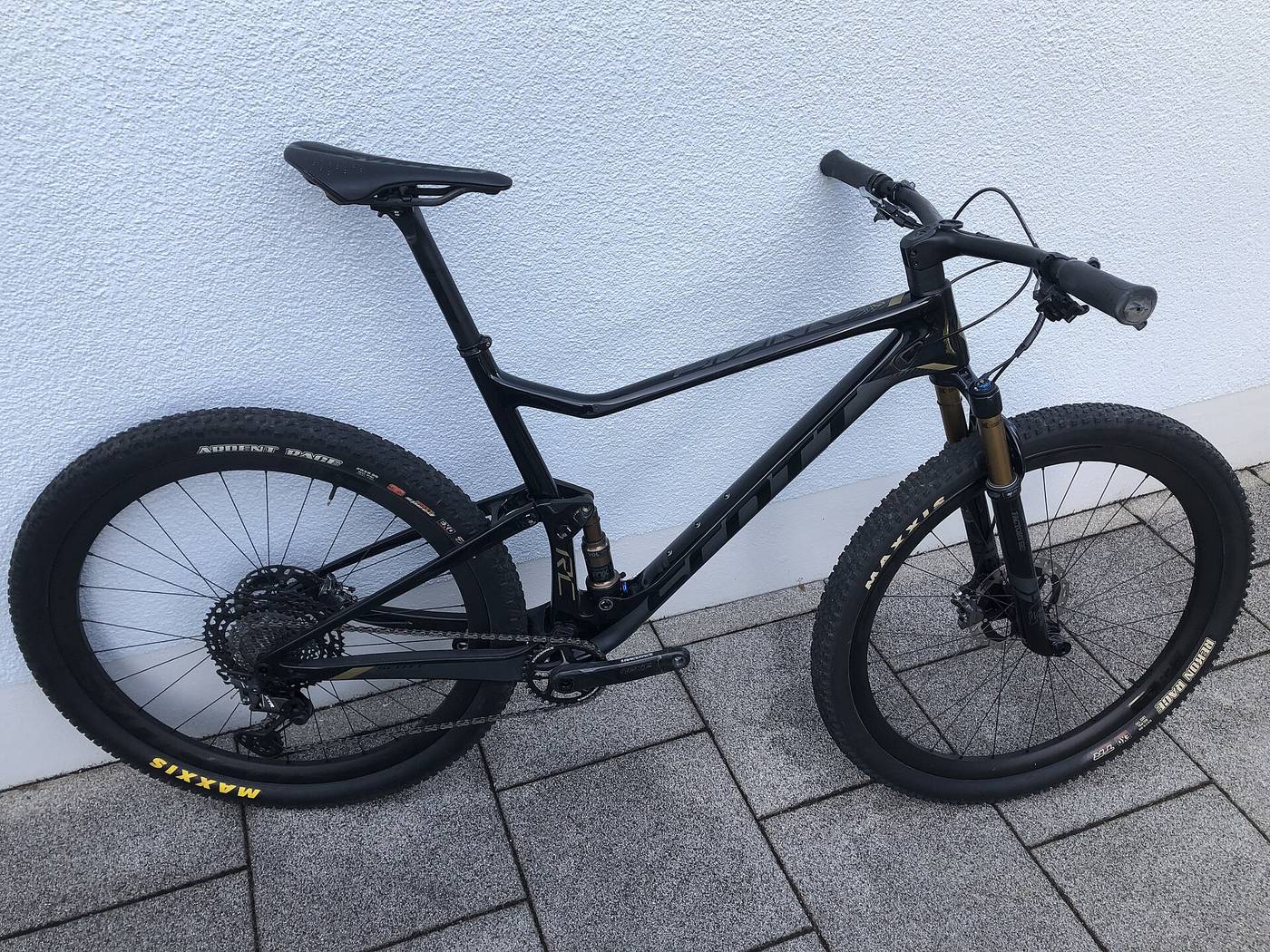 Scott Spark RC
Fiches techniques, FAQ d'entretien et indicateur de prix par modèle.
Puis rangez-la dans votre garage
La cote est la porte d'entrée. Le garage, c'est là que vivent vos machines — et que vous posez vos questions.
Vos machines, toutes
Vélos, motos, scooters, quads… et l'outillage : tronçonneuse, compresseur, poste à souder, servante d'atelier.
Leur fiche technique
Ce que notre base sait du modèle, complété par ce que vous savez du vôtre : taille de cadre, n° de série, dernière révision.
Vos questions, ciblées
Couples de serrage, intervalles, panne au démarrage : vous interrogez la doc technique machine par machine, sans réexpliquer laquelle.
Gratuit — une machine, sans carte bancaire.
3 étapes, 2 minutes
Décrivez votre machine, recevez votre fourchette, allez plus loin si vous voulez.
Décrivez votre machine
Marque, modèle, année, kilométrage, état. Pas besoin de compte.
Recevez votre fourchette
Une estimation transparente : 6 critères, ajustée au marché de votre pays.
Débloquez le rapport complet
Prix précis, prix de reprise et annonces comparables. Le 1er rapport est offert.
Toutes ces marques ont leur cote
Des coefficients par marque, calibrés sur les prix de revente réellement observés.















La communauté t'aide aussi
Pose ta question à d'autres mécaniciens et passionnés. Filtre par marque ou modèle pour tomber sur les bons retours.
Les questions qu'on nous pose
Prêt à connaître le prix de votre machine ?
Fourchette gratuite en 2 minutes — vélo ou moto.