Indietro
UtensiliTrasversaleUtensiliGuida

Tipi di chiavi dinamometriche

6 min25 marzo 2026

What is a torque wrench?

A torque wrench is a precision tightening tool that allows you to apply a controlled torque (rotational force) to a fastener. Unlike a standard wrench where tightening depends on the operator's strength and experience, a torque wrench guarantees repeatable tightening that conforms to the manufacturer's specifications.

In mechanics, respecting torque specifications is fundamental. Insufficient tightening can lead to loosening during operation, while excessive tightening can cause bolt failure, gasket crushing, or component deformation. On a carbon bicycle, exceeding by just 2 Nm on a stem bolt can crack the handlebar. On a motorcycle, a poorly torqued cylinder head bolt can cause oil leaks or compression loss.

The 4 types of torque wrenches

1. Click torque wrench

This is the most widespread type in workshops. The mechanic sets the desired torque on the graduated handle, then tightens until hearing a distinct "click" accompanied by a slight flex of the handle. This click signals that the target torque has been reached.

Advantages:

  • Intuitive use, the click is clearly perceptible
  • Wide range of torque values available (from 1 Nm to over 500 Nm)
  • Affordable price for daily professional use

Disadvantages:

  • Requires regular calibration (every 12 months or 5,000 cycles)
  • Typical accuracy of +/- 4% in the upper third of the range
  • Risk of over-tightening if the click is not perceived (noisy environment)

Typical use: bike workshop (2-25 Nm wrench for stem, seatpost, brake pads), motorcycle workshop (10-110 Nm wrench for engine and chassis hardware).

2. Beam torque wrench

The beam torque wrench is the oldest and simplest model. It consists of a flexible arm that deflects in proportion to the force applied, and a fixed pointer that indicates the torque on a graduated scale. There is no click mechanism.

Advantages:

  • No internal mechanism, so no calibration in the traditional sense
  • Extreme reliability, virtually indestructible
  • Very low price
  • Good for verifying an existing tightening

Disadvantages:

  • Requires careful visual reading (parallax error risk)
  • Less practical in confined spaces
  • No audible or tactile signal at target torque

Typical use: spot-checking, training, workshops on a budget. Often used as a reference to verify click wrench calibration.

3. Digital / electronic torque wrench

The electronic torque wrench uses a strain gauge sensor to measure torque in real time. The value is displayed on an LCD screen. Many models emit a beep and a light signal (LED) when the target torque is reached.

Advantages:

  • Superior accuracy (+/- 1 to 2%)
  • Precise digital display, no reading error
  • Advanced features: measurement memory, switchable units (Nm, ft-lb, kgf-cm), peak mode
  • Angle tracking mode on high-end models
  • Some models allow pre-setting of torque sequences

Disadvantages:

  • Higher price (2 to 5 times the price of an equivalent click wrench)
  • Requires battery
  • More fragile in wet or dirty environments
  • Electronic calibration required

Typical use: professional workshops requiring traceability (quality standards), precision tightening on carbon bike components (1-10 Nm), motorcycle engine procedures with angle tightening.

4. Dial torque wrench

The dial torque wrench features a circular analog dial that displays torque in real time via a needle. Some models have an adjustable marker that generates a signal (setpoint needle) at the target torque.

Advantages:

  • Continuous torque reading during tightening
  • No battery needed
  • Good accuracy (+/- 3% typically)
  • Robust and durable

Disadvantages:

  • Dial bulk in tight spaces
  • Intermediate price
  • Less common, harder to find in stores

Typical use: industrial applications, heavy assembly tightening (tractors, machinery), quality control in workshops.

What accuracy to expect?

Torque wrench accuracy depends on its position within the measurement range. Most manufacturers guarantee the stated accuracy only in the upper third of the range. Concrete example: a 5-25 Nm wrench with +/- 4% accuracy will only be reliable between approximately 13 and 25 Nm.

TypeTypical accuracyUseful range
Click+/- 4%Upper third
Beam+/- 2-3%Full range
Digital+/- 1-2%10-100% of range
Dial+/- 3%Upper third

How to choose based on your domain

Bicycle (typical range: 2-40 Nm)

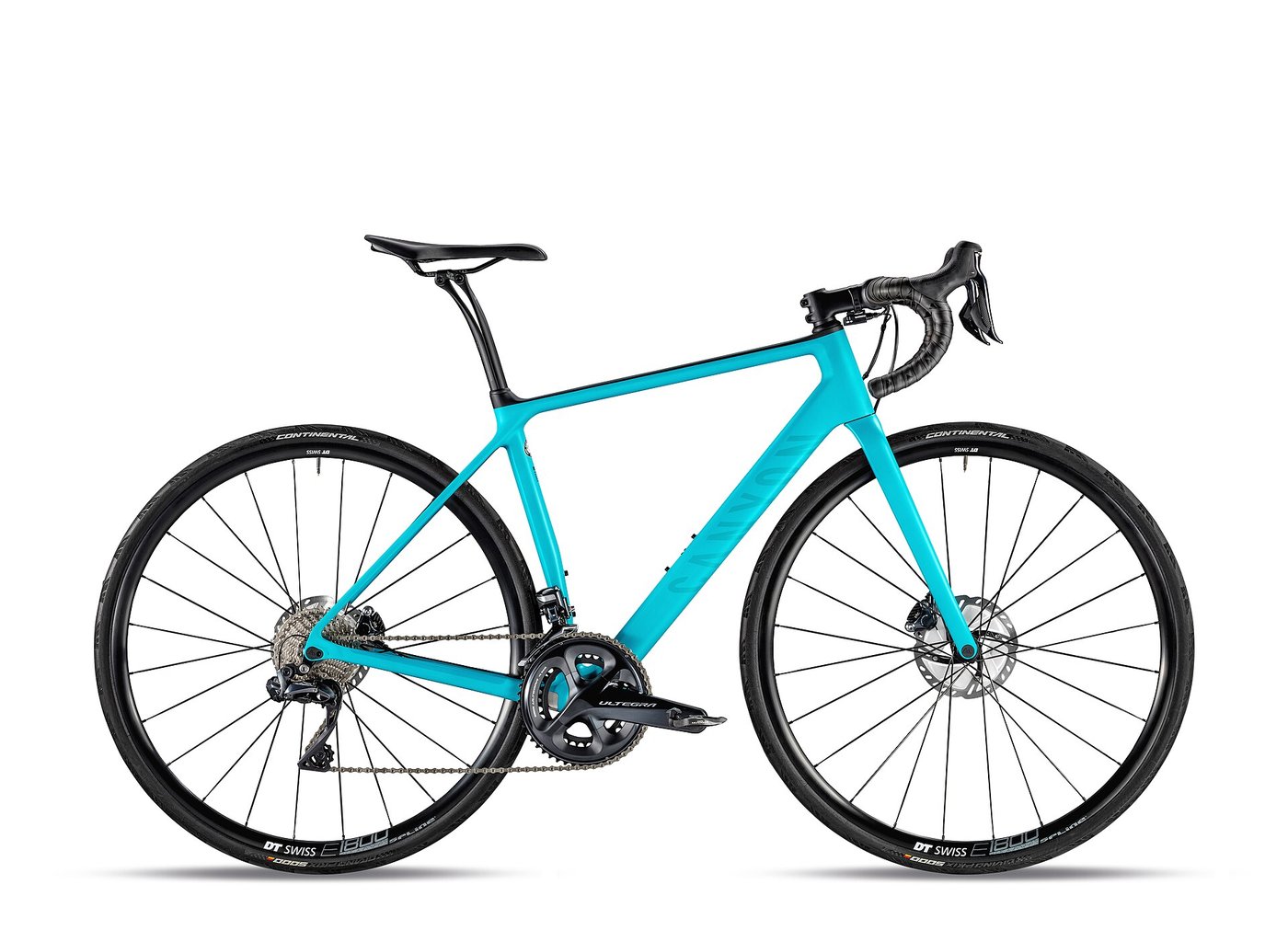
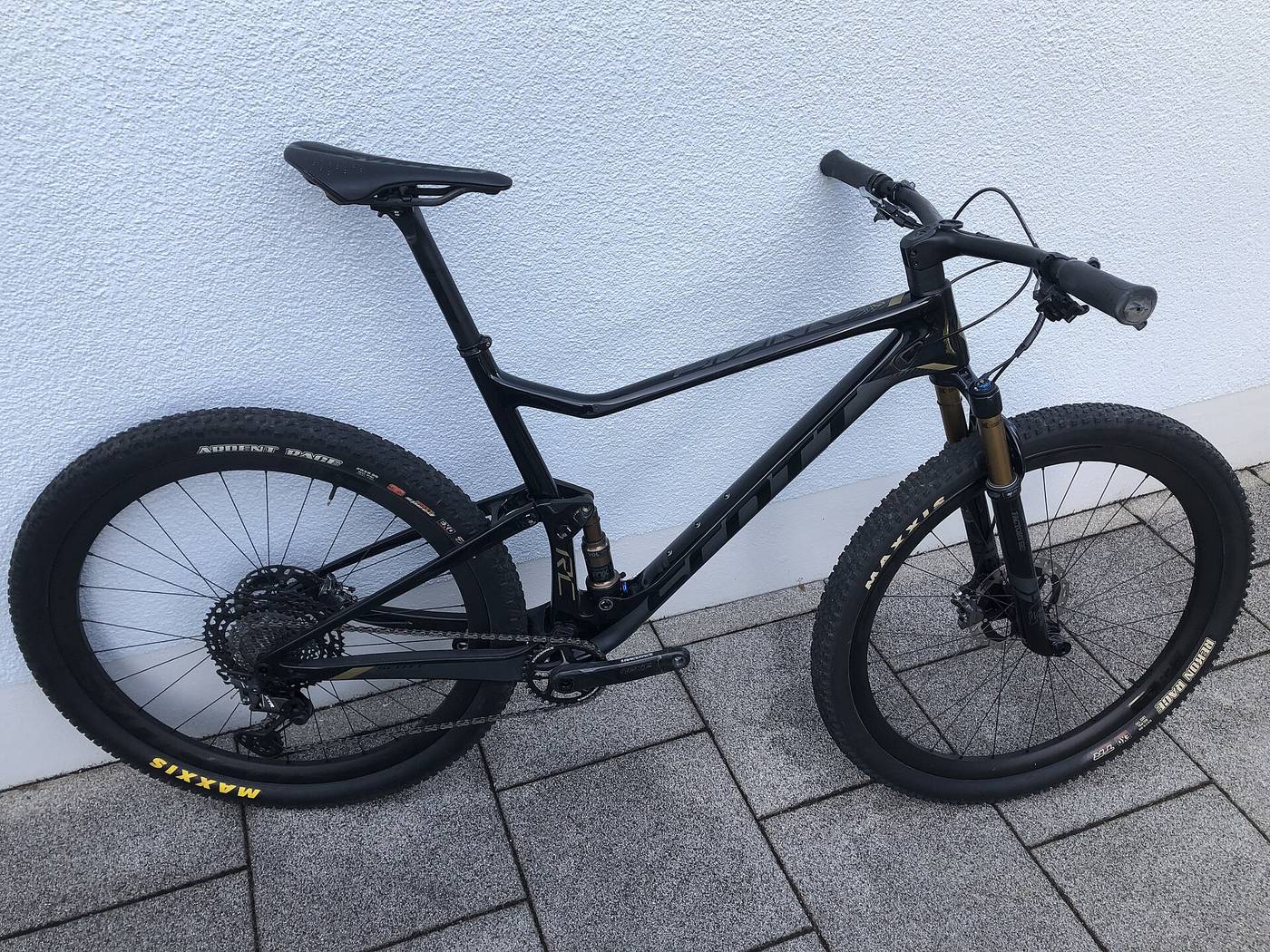
Bicycles require low and very precise torque values, especially on carbon components (stem, seatpost, handlebar clamp). The 4-20 Nm range covers 90% of needs. Choose a click wrench of 2-25 Nm for everyday use, and a digital wrench of 1-10 Nm for carbon components where the margin of error is minimal.

Motorcycle (typical range: 10-200 Nm)

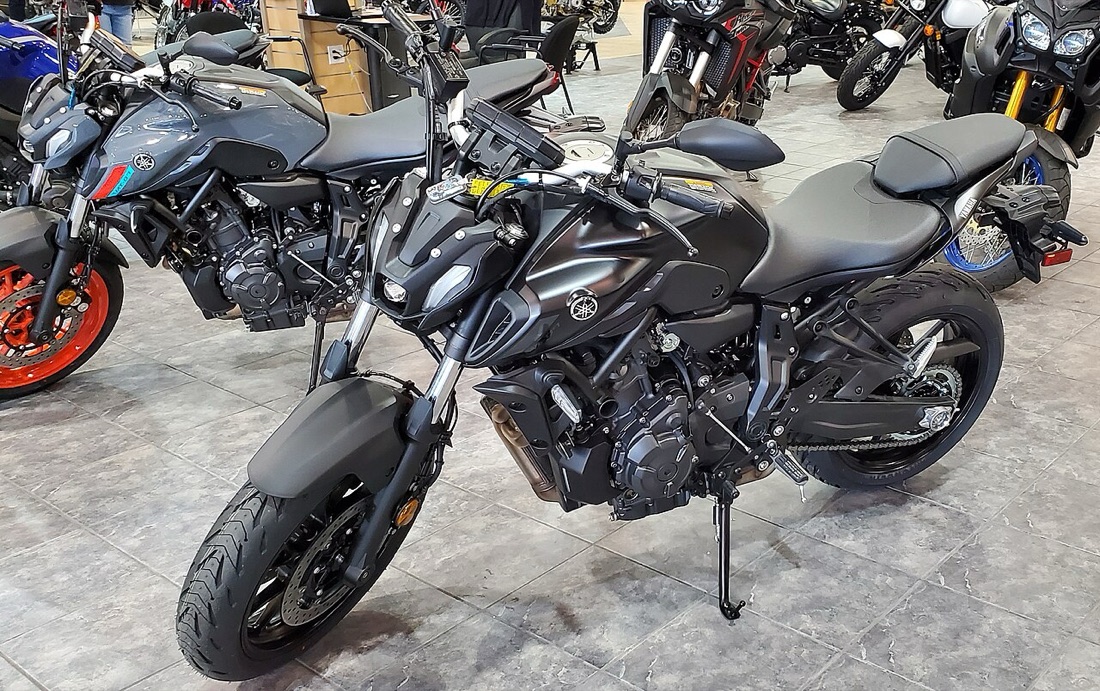
Motorcycles require a wider range. Cylinder head bolts range from 25 to 80 Nm, wheel axle nuts from 80 to 150 Nm, and bodywork screws from 8 to 15 Nm. Two wrenches generally cover the needs: a 10-50 Nm for fine hardware and a 40-200 Nm for chassis and engine.

Power tools (typical range: 5-50 Nm)

Chainsaws, brush cutters, and mowers have more modest but critical torques. Spark plugs tighten to 10-15 Nm, blade nuts to 25-40 Nm, and crankcase screws to 8-12 Nm. A click wrench of 5-50 Nm covers nearly all needs.

Tractor (typical range: 20-500 Nm)

Tractors and agricultural machinery require high ranges. Wheel bolts go from 350 to 500 Nm, cylinder head bolts from 100 to 200 Nm, and hydraulic fittings from 30 to 80 Nm. Multiple wrenches are needed to cover the full range.

Maintenance and calibration

A torque wrench is a measuring instrument. It must be calibrated regularly to guarantee its accuracy.

Basic rules:

  • Annual calibration or every 5,000 usage cycles
  • Always return a click wrench to the minimum setting after use (to release spring tension)
  • Never use a torque wrench as an untightening wrench
  • Store away from moisture, in its original case
  • Regularly clean the ratchet mechanism

Pronto a risparmiare tempo

Unisciti ai meccanici e agli appassionati che usano L'Atelier ogni giorno.