Selling a used bike rarely takes more than two or three weeks when the package is clean. When it isn't, the listing drags on for months, buyers negotiate hard, and the final price ends up 20 to 30% below what the machine was actually worth. The difference comes down to a few hours of work up front and a disciplined selling method.
This guide covers the whole journey: mechanical preparation, photo set, writing the listing, handling enquiries, negotiation, handover and securing payment.
1. Prepare the machine before photographing it
The most common mistake is photographing the bike in the state it came out of the shed. A dirty bike sells badly, even when it is mechanically faultless: the buyer extrapolates from visible grime to neglected servicing.
The minimum before any photo:
- Full clean: frame, rims, drivetrain degreased then re-lubricated. Allow an hour and £10 to £15 of consumables.
- Adjustment: indexed gears, brakes with no dead spot, headset with no play, wheels running true.
- Wear parts: pads or blocks, chain, tyres. A chain past 0.75% wear should be replaced (£15 to £35) — it is one of the three things any half-informed buyer will check.
- Bolts and bars: nothing moving, nothing creaking.
A budget of £50 to £100 on wear parts is almost always recovered, and often doubled, in the sale price.
2. Set a price you can defend
Price is not decided on instinct. It is built from the RRP, corrected for age, condition, mileage and modifications. As a rough guide on the UK market, a bike loses around 30 to 40% in its first year, then 10 to 15% a year after that, with a floor that depends heavily on brand and segment.
Three checks beat one isolated calculation:
- Find the actual RRP for the exact model, model year and build spec (not the tier above).
- Apply a depreciation figure consistent with age and condition.
- Cross-check against live listings for the same model: look at what has actually sold rather than at asking prices, which are usually 10 to 20% optimistic.
To save time on this step, a free two-minute valuation at /cote-velo gives you a starting range from the model, year and condition, which you then test against the listings running at the time.
Advertise slightly above your walk-away figure, with 5 to 10% of negotiating room. Beyond that, the listing filters out serious buyers and attracts only bargain hunters.
3. The photo set
Photos do 80% of the selection work. A listing with three blurry indoor shots gets few messages, whatever the price.
An effective set runs to 8 to 12 images:
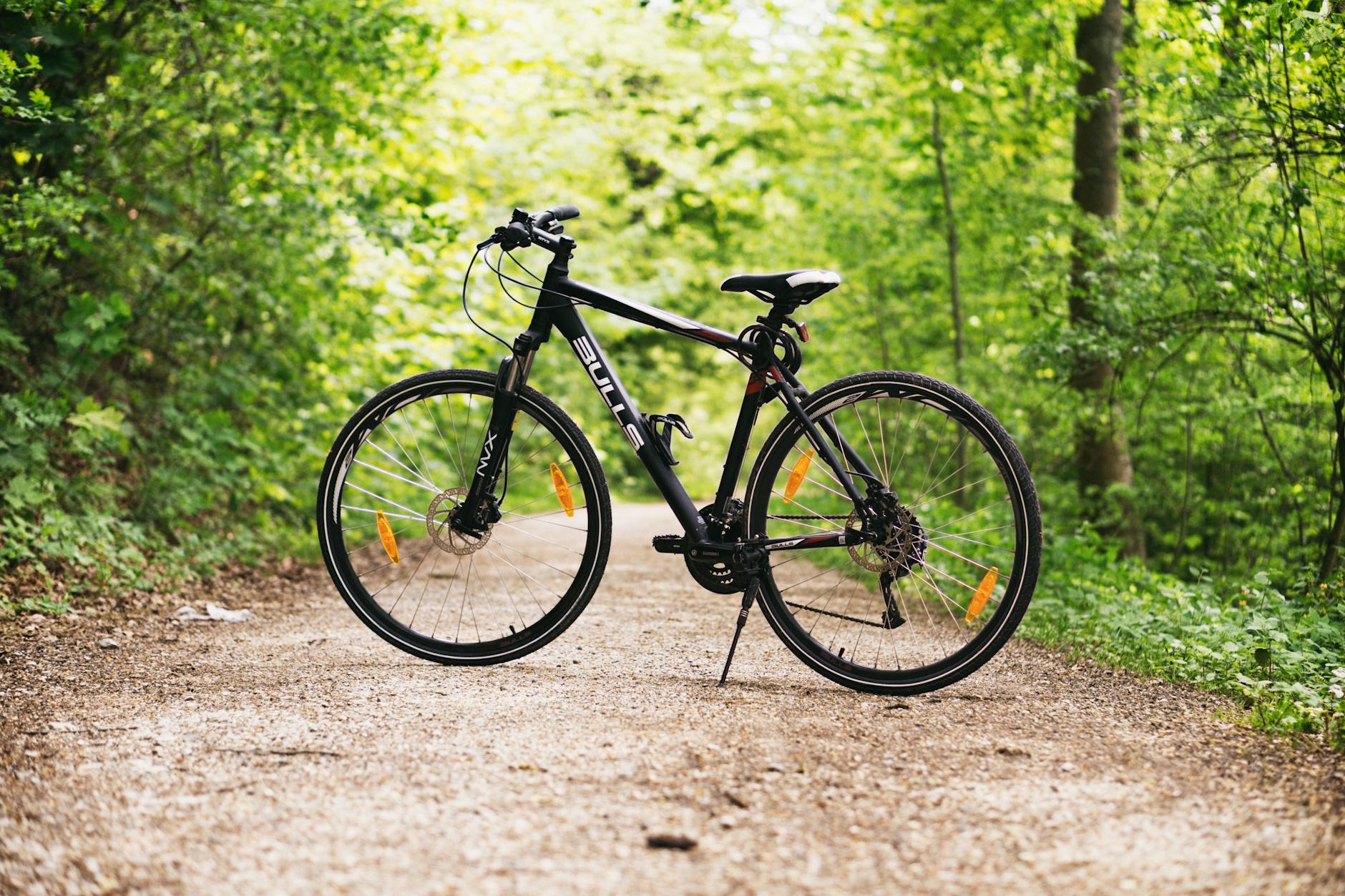
- Full side-on view, drive side, plain background, daylight.
- Side-on view from the non-drive side.
- Close-up of the drivetrain (cassette, chainrings, rear mech).
- Close-up of the cockpit.
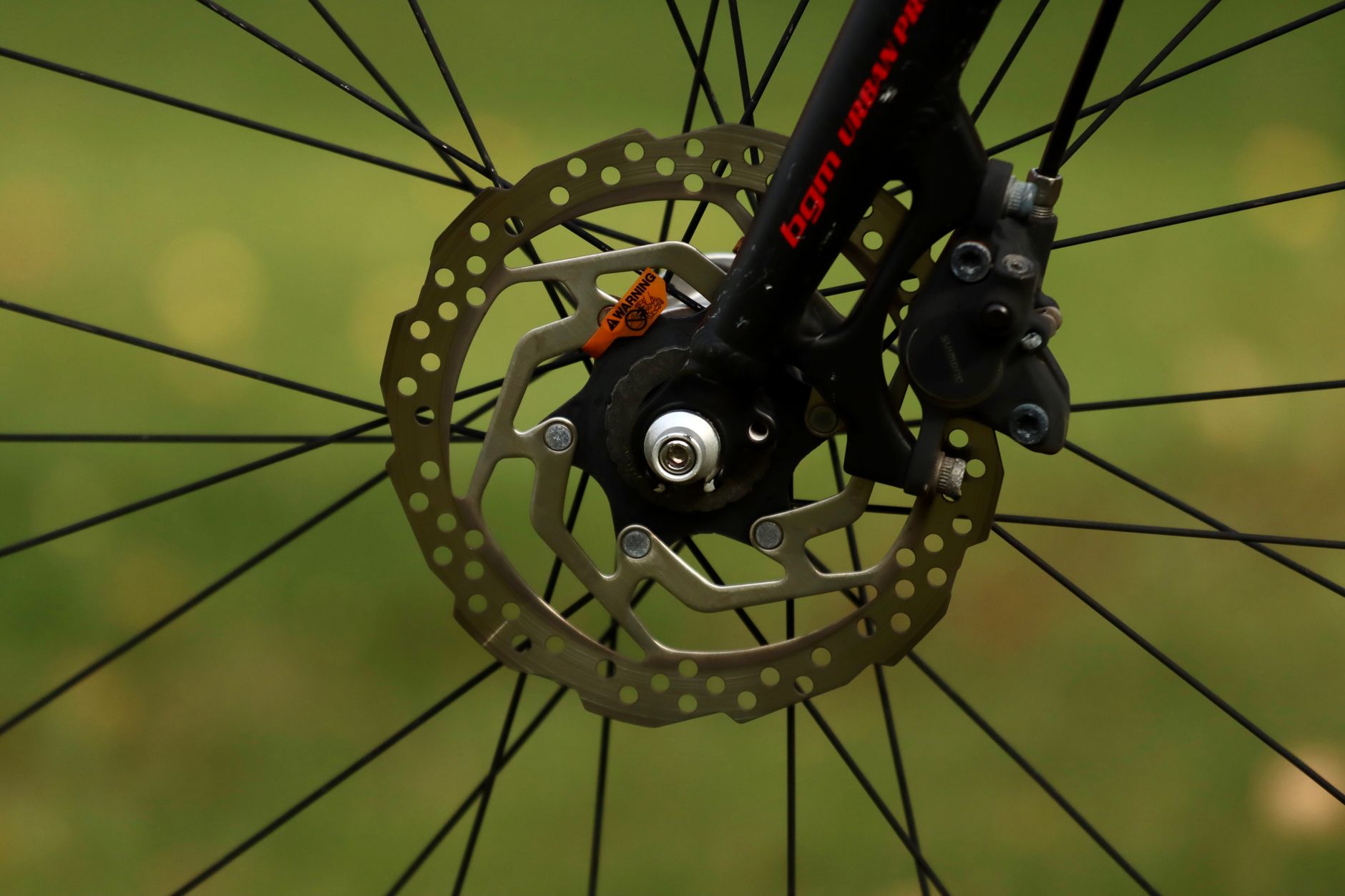
- Close-up of the brakes and rotors.
- Serial number visible on the bottom bracket shell.
- The flaws: scratches, paint chips, saddle wear.
Photographing the flaws does not lower the price: it prevents renegotiation at handover, which costs far more.
4. Write a listing that filters
A good listing answers questions before they are asked. Recommended structure:
| Block | Content |
|---|---|
| Title | Make, model, year, size, groupset |
| Identity | Year of purchase, frame size, weight if known |
| Spec | Groupset, wheels, tyres, seatpost, turbo trainer if included |
| History | Estimated mileage, use (road, trails, commuting), services |
| Condition | Parts replaced and when, flaws owned up to |
| Terms | Price, location, test ride possible, payment methods accepted |
State the frame size in centimetres, or S/M/L together with the seat tube measurement: it is the number one reason a distant buyer walks away.
Mention that receipts and purchase documents are available. That reassures people about the bike's origin, a sensitive subject given the volume of stolen kit being resold.