What it really costs a year: motorcycle, 125 scooter, cargo bike
M
Max
|7 minNovember 5, 2026
The cost of a vehicle is not read at the pump. On a motorcycle, a scooter or a cargo bike, energy is rarely the biggest line: depreciation, insurance and wear weigh far more. That is exactly why comparisons made in litres per 100 km never help you decide.
Here is the full structure of the annual cost, line by line, across three realistic set-ups in urban and semi-urban use.
The three set-ups compared
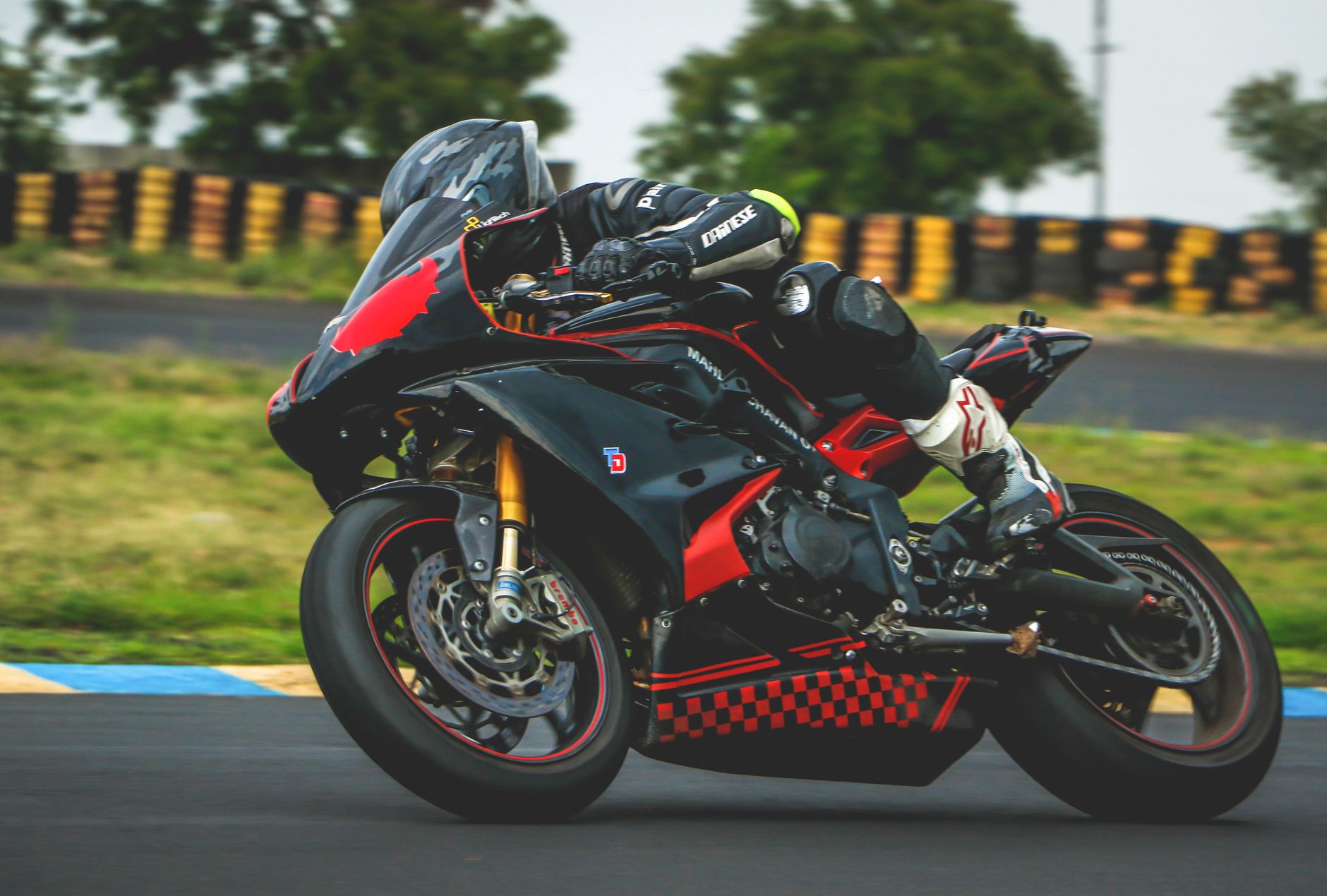
650–900 cc road bike, bought at £7,000 as a recent used machine, 8,000 km a year.
125 cc scooter, bought new at £3,000 in entry-level trim, 6,000 km a year.
Electric cargo bike, bought new at £4,300, 3,000 km a year.
The figures are UK ballpark numbers, excluding finance options, to be adjusted for your region and your profile.
Line 1: depreciation
The line almost nobody counts, and yet the heaviest of all.
Purchase value
Average annual depreciation
Cost / year
Used 650–900 motorcycle
£7,000
6–8 %
£420–560
New 125 scooter
£3,000
12–15 % in year one, then 8 %
£260–430
New electric cargo bike
£4,300
15–20 % in year one, then 10 %
£430–780
Two lessons. First, buying a recent used machine mechanically shifts the cursor: the used motorcycle, dearer to buy, loses less in absolute terms than the new cargo bike. Second, the cargo bike suffers from the same mechanics as any e-bike: an ageing battery drags the residual value down.
The cargo bike is the only one of the three for which insurance is not compulsory — but going without on a £4,300 machine means self-insuring against theft, which is precisely the main risk.
The factors that genuinely move the premium: an approved lock, declared to your insurer; parking in a locked garage; your no-claims record; and monthly instalments, which cost 3 to 8 % more than paying annually.
Line 3: routine servicing
Contents
Cost / year
Motorcycle
Oil change, filters, plugs, brake fluid, checks
£220–430 at a workshop, £90–170 doing it yourself
125 scooter
Oil change, filters, periodic belt and rollers
£170–350 at a workshop, £70–130 doing it yourself
Cargo bike
Drivetrain, brakes, bearings, adjustments
£130–260 at a workshop, £45–100 doing it yourself
On the motorcycle, add the annual MOT, due once the bike is three years old: a modest fixed cost, but a hard deadline — and a failure turns straight into a repair bill.
The gap between workshop and self-servicing is the first saving available, and the only one that degrades nothing: an oil change done by the book is worth the dealer's, provided you use the right products and the right torque figures.
Line 4: wear parts
This is where the three modes diverge most.
Motorcycle: tyres £220–390 a pair, replaced every 8,000 to 15,000 km depending on compound and riding style; chain and sprocket kit £130–260 every 20,000 to 30,000 km; pads £35–90 per end.
125 scooter: tyres £100–170 a pair, often lasting longer relative to mileage; belt and rollers £70–140 every 15,000 to 20,000 km; cheaper pads.
Cargo bike: reinforced tyres £70–120 a pair; complete drivetrain £100–220 every 3,000 to 6,000 km depending on load and weather; pads £18–45. And the line that dominates everything: the battery, £350–780, typically replaced between year four and year seven, meaning £70–170 a year to set aside.
On a cargo bike ridden loaded, in town, all year round, drivetrain wear is far higher than on a normal bike: motor torque and the mass carried do the damage.
Line 5: energy
Consumption
Cost / year
Motorcycle, 8,000 km
5.5 L/100 km
£600–730
125 scooter, 6,000 km
3.5 L/100 km
£280–350
Cargo bike, 3,000 km
0.8 kWh/100 km
£5–10
The contrast is spectacular, and that is exactly why it should be treated with suspicion: energy accounts for less than a quarter of the total cost on the motorcycle, and a negligible share on the cargo bike, whose real cost lies elsewhere.
The bottom line
Line
650–900 motorcycle
125 scooter
Cargo bike
Depreciation
£420–560
£260–430
£430–780
Insurance
£220–770
£300–520
£90–220
Servicing
£220–430
£170–350
£130–260
Wear
£260–520
£170–300
£170–390
Energy
£600–730
£280–350
£5–10
Parking / sundries
£0–260
£0–260
£0–90
Annual total
£1,720–3,270
£1,180–2,210
£825–1,750
Cost per kilometre
£0.22–0.41
£0.20–0.37
£0.28–0.58
The result often surprises: per kilometre, the cargo bike is not the cheapest, because its low annual mileage does not dilute the fixed costs. It becomes the cheapest the moment it genuinely replaces a car — that is, when you remove from the sum a line that none of the three rows above carries.
Three levers that actually move the number
Buy at the right moment. On the used market, the November-to-February window trades 5 to 10 % below spring prices. On a £7,000 machine, that is a year of servicing.
Do the routine servicing yourself. Oil, filters, pads, chain tension: £130 to £300 a year recovered, provided you have the right torque figures and the right part numbers.
Provision for wear instead of enduring it. Setting aside £25 a month for tyres and drivetrain avoids the "I'll get a bit more out of it" call that always costs more — a tyre down to the wear bars that ruins the rim, a slack chain that eats the rear sprocket.
For the last two points, the exact data matters more than the general method: manufacturer intervals, torque figures, part numbers. The technical assistant gives them for your model and your model year.
On utilise des cookies essentiels au fonctionnement. Avec ton accord, on ajoute la mesure d'audience et l'attribution de nos liens/sondages partenaires (ça finance le service). En savoir plus