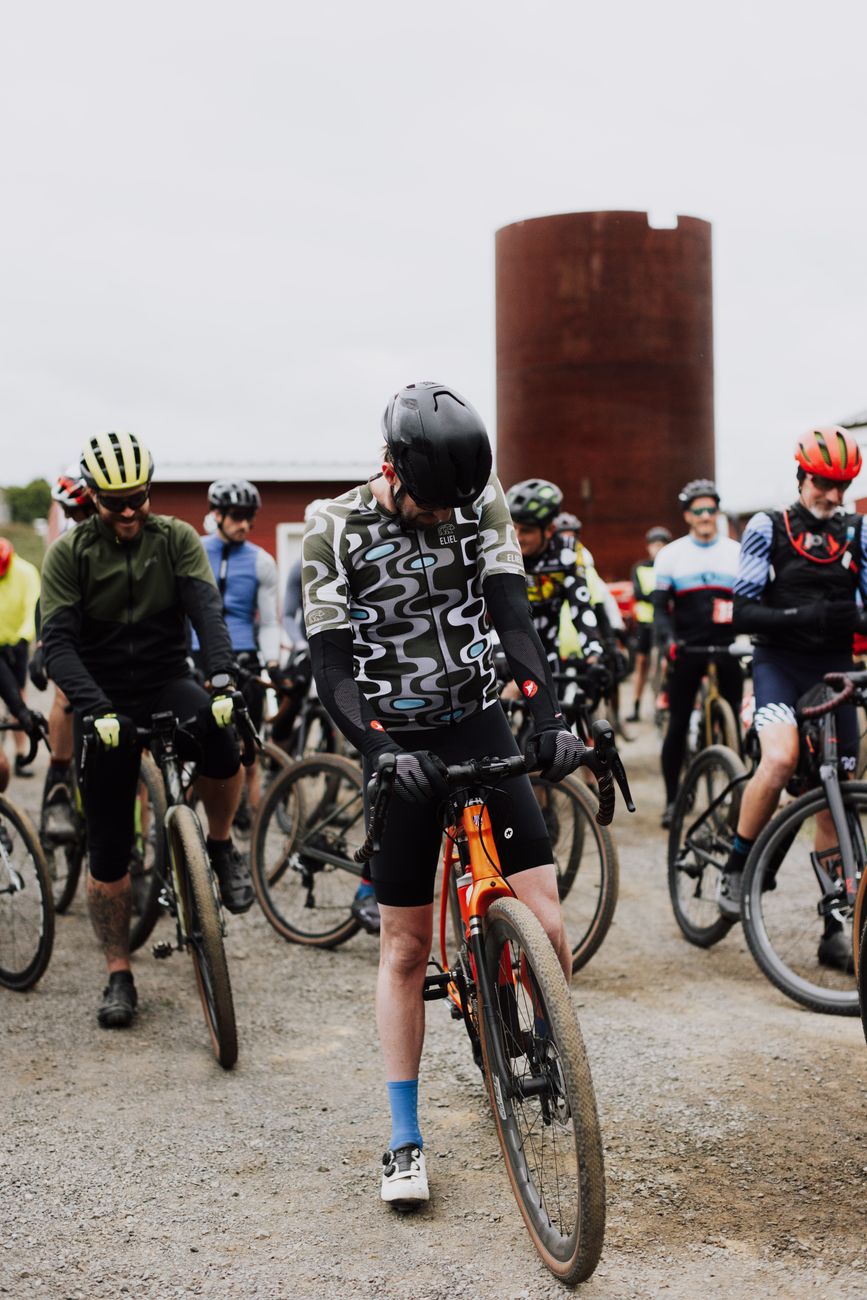

In just a few years, the gravel bike has become the most popular bike in the United States—so much so that races like Unbound, in Kansas, draw thousands of participants. But what exactly is it, and is it the right bike for you?
What Is a Gravel Bike
Imagine a road bike (drop bars) beefed up to leave the pavement:
- Wide, knobby tires (often 700x40 mm and wider) to grip on gravel roads.
- Disc brakes, reliable in rain and mud.
- A more relaxed geometry than pure road: more stable, more comfortable over distance.
- Mounting points everywhere: fenders, water bottle cages, bikepacking bags.
Gravel vs. Road vs. Mountain Bike
- Road: fast on asphalt, dead in the dirt.
- Mountain bike: king of technical trails, but slow and tiring on pavement.
- Gravel: the "one bike to do it all" compromise—a bit slower than a road bike, way less capable on technical terrain than a mountain bike, but able to go almost anywhere.
Who Should Get One
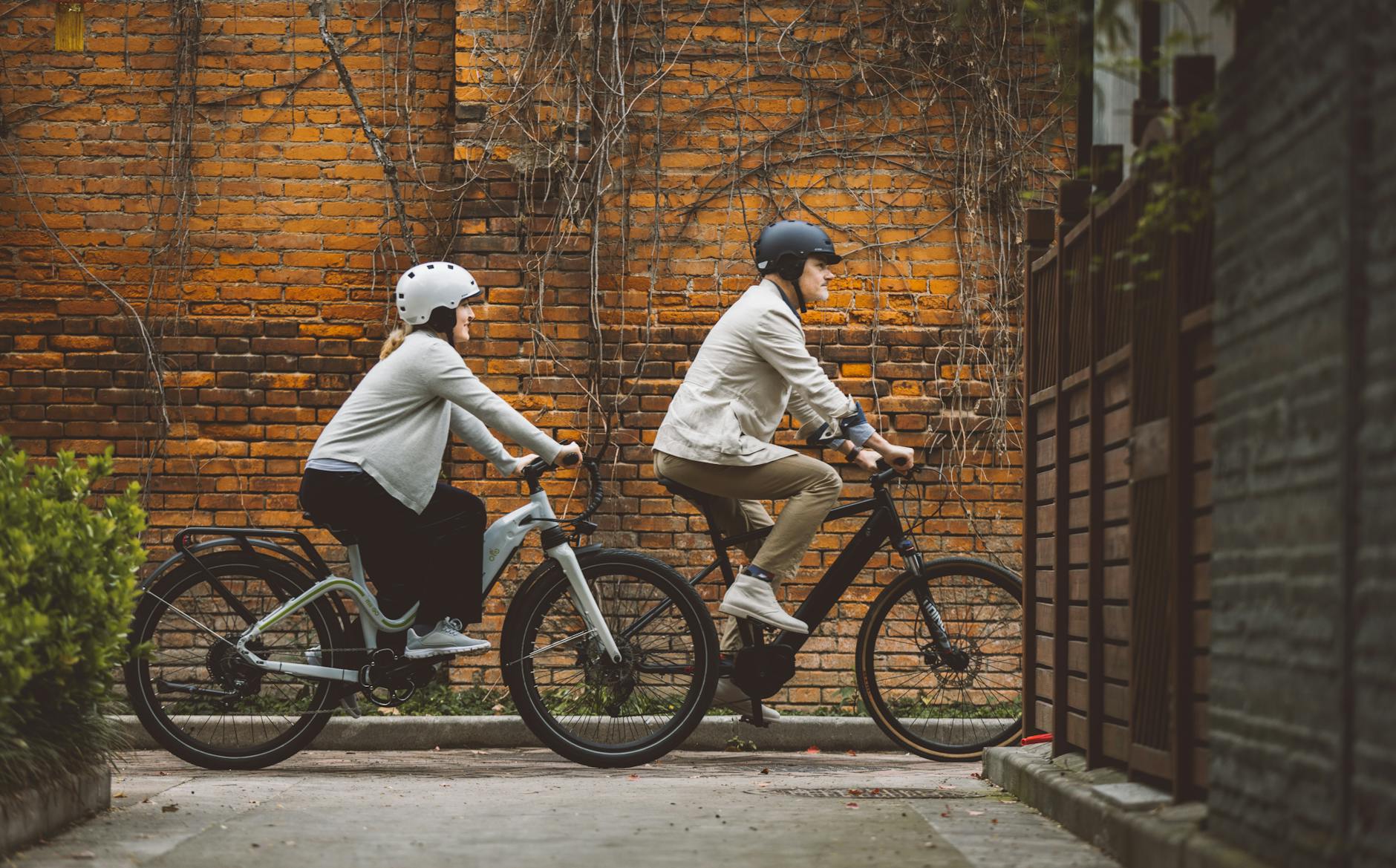
- You want one bike for commuting, weekend rides, and some off-road: gravel shines.
- You want to bikepacking (self-supported bikepacking trips): it's the ideal tool.
- You ride only pavement and want pure speed: a road bike is still better.
- You want technical single-track: get a mountain bike.