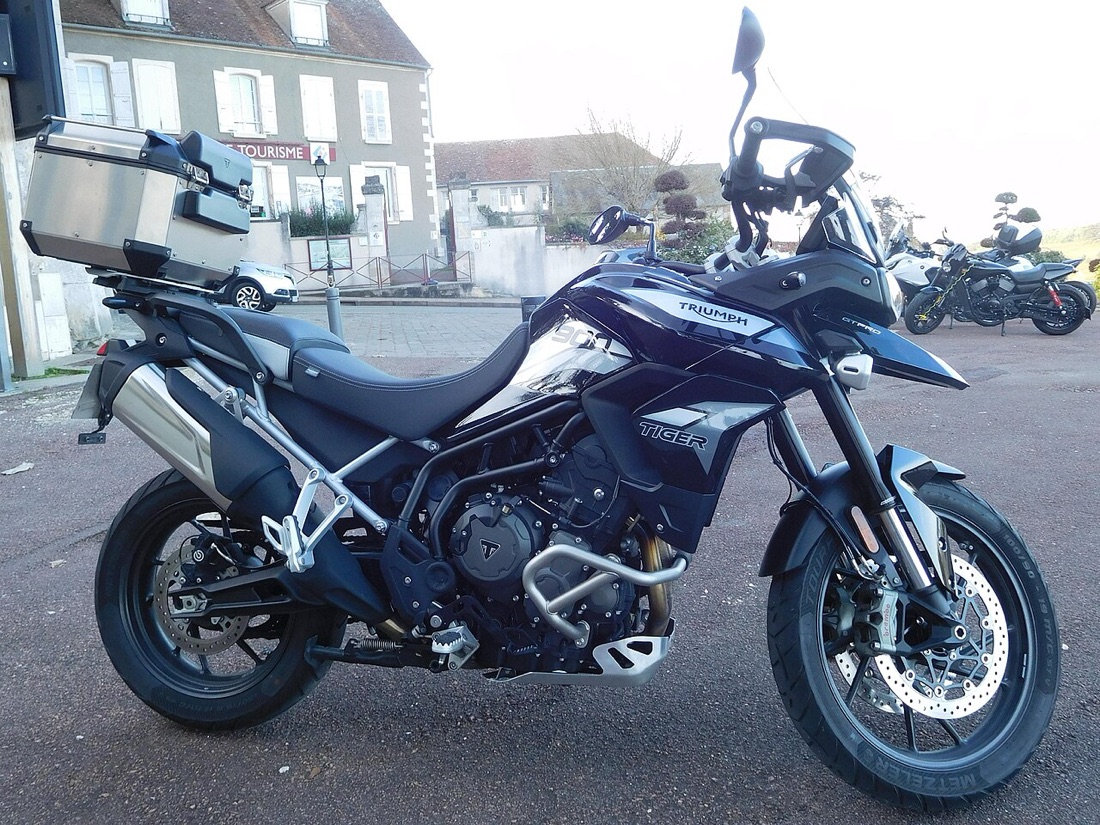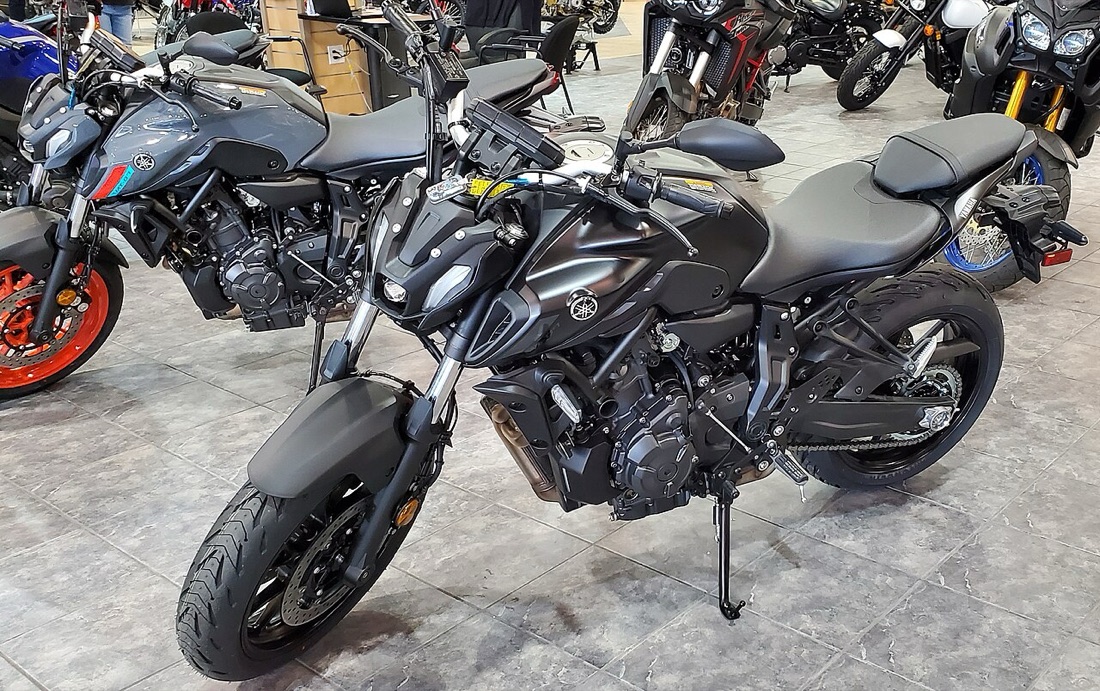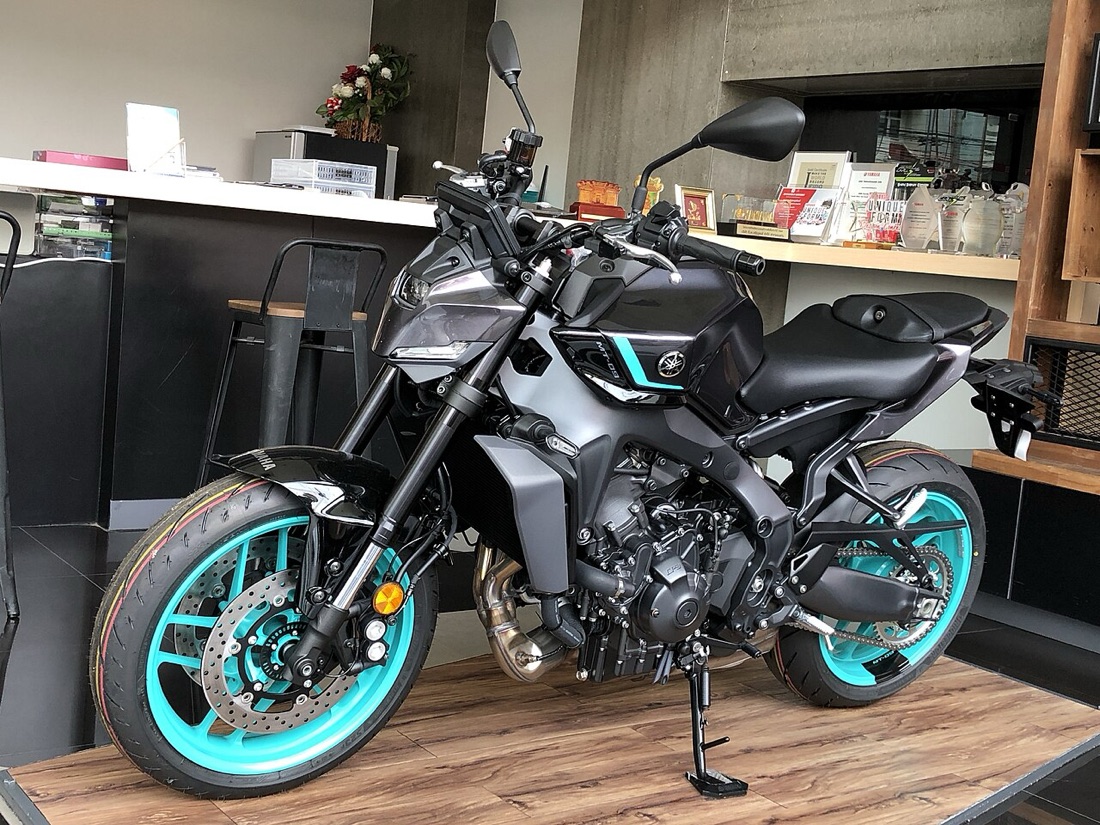

Buying a used motorcycle is often the best financial move, but it's also a minefield for the unwary buyer. After years of inspecting bikes for clients, here's my 12-point checklist to go through before signing.
Before the Visit
1. Documents
Before even seeing the bike, ask for:
- Registration document: seller's name must match, no "damaged vehicle" or "write-off" notes
- Service book: invoices, dealer stamps
- MOT report if applicable
- Number of previous owners: more than 3 in a few years = warning sign
Absolute red flag: "The registration is in my friend's/wife's/company's name." Walk away.
On Site — Cold Engine
Always arrive cold. Ask the seller not to start the bike before you arrive. A warm engine hides starting problems, abnormal noises and exhaust smoke.
2. Frame
Look at the bike head-on: the wheels must be perfectly aligned. Crouch down and sight from front to rear. Even slight misalignment can indicate a serious crash with a bent frame.
Check:
- Frame paint (chips, suspicious touch-ups)
- Weld points (no cracks)
- Upper fork yoke (no impact marks)
- Footpeg brackets (ground down = confirmed crash)
3. Forks
- Fork tubes: no deep scratches, no rust spots
- Fork seals: no oil seepage (run a clean finger under the seal)
- Steering head bearings: front wheel on ground, pull front brake and push/pull handlebars. No clunking should be felt
4. Engine — Cold Start
On cold start:
- Light white smoke: normal (condensation)
- Blue smoke: oil consumption → worn rings or valve guides = 1,000-3,000 EUR repair
- Black smoke: rich mixture → dirty carbs or faulty injection
- Cam chain rattle: metallic clicking at idle → failed tensioner → 500-1,500 EUR
- Engine should hold steady idle after 30 seconds of warm-up
5. Engine — Warm
After 5 minutes:
- Idle should be stable (no variation >100 rpm)
- No abnormal metallic noise
- Pull clutch, go through all gears: engagement should be clean, no grinding
- Neutral should engage easily
6. Chain and Sprockets
- Tension: 2-3 cm vertical play in the middle (bike on stand)
- Wear: pull chain at rear of rear sprocket. If it lifts more than 5 mm, kit needs replacing
- Sprocket teeth: should not be wave-shaped or pointed
- Rust spots on links = poorly maintained chain
7. Tires
- Tread depth: minimum 2 mm (1.6 mm legal but dangerous)
- Manufacturing date: DOT code on sidewall (4 digits: week + year). Tires over 5 years old need replacing even with tread
- Sidewall condition: no cracks, bulges or cuts
- Uneven wear: flat center = highway / one-sided = geometry problem
8. Brakes
- Discs: no deep grooves, no blue discoloration (overheating)
- Pads: check remaining thickness (minimum 2 mm)
- Lever and pedal: progressive feel, no sponginess
- Brake fluid: honey color = OK, dark color = needs changing
9. Electrics
Check all lights: dipped, main, brake, indicators, plate. One by one. Also test:
- Horn
- Starter motor (should spin cleanly)
- Odometer (mileage consistent with overall condition)
- Dashboard warning lights (no engine light on)
10. Wheel Bearings
Bike on center stand, grab each wheel and try to move it laterally. No play should be perceptible. Spin the wheel by hand: it should rotate freely without noise.
11. Frame — VIN Number
The VIN stamped on the frame (steering column) must exactly match the registration document. Check it hasn't been re-stamped (irregular edges, different depth).
12. Test Ride
If the seller refuses a test ride, walk away. During the ride:
- Clean acceleration without hesitation
- Powerful balanced braking
- No abnormal handlebar vibrations
- Bike should track straight with hands off bars (low speed test)
- Gearbox: all gears engage without force