Ten years ago, a Chinese motorcycle was a bit of a lottery. You'd buy a 125 cc for €1,800, and six months later, you'd find yourself with an oil leak, a slipping clutch, and a dealer who'd shut up shop. In 2026, things have changed. Not completely, but enough to ask the question seriously: can we trust Chinese brands?
I'm going to give you my analysis after following the evolution of these manufacturers and working on several models in the workshop. No beating around the bush: I'll tell you what works, what still sticks, and what you need to check before pulling out your wallet.
Quality evolution since 2015
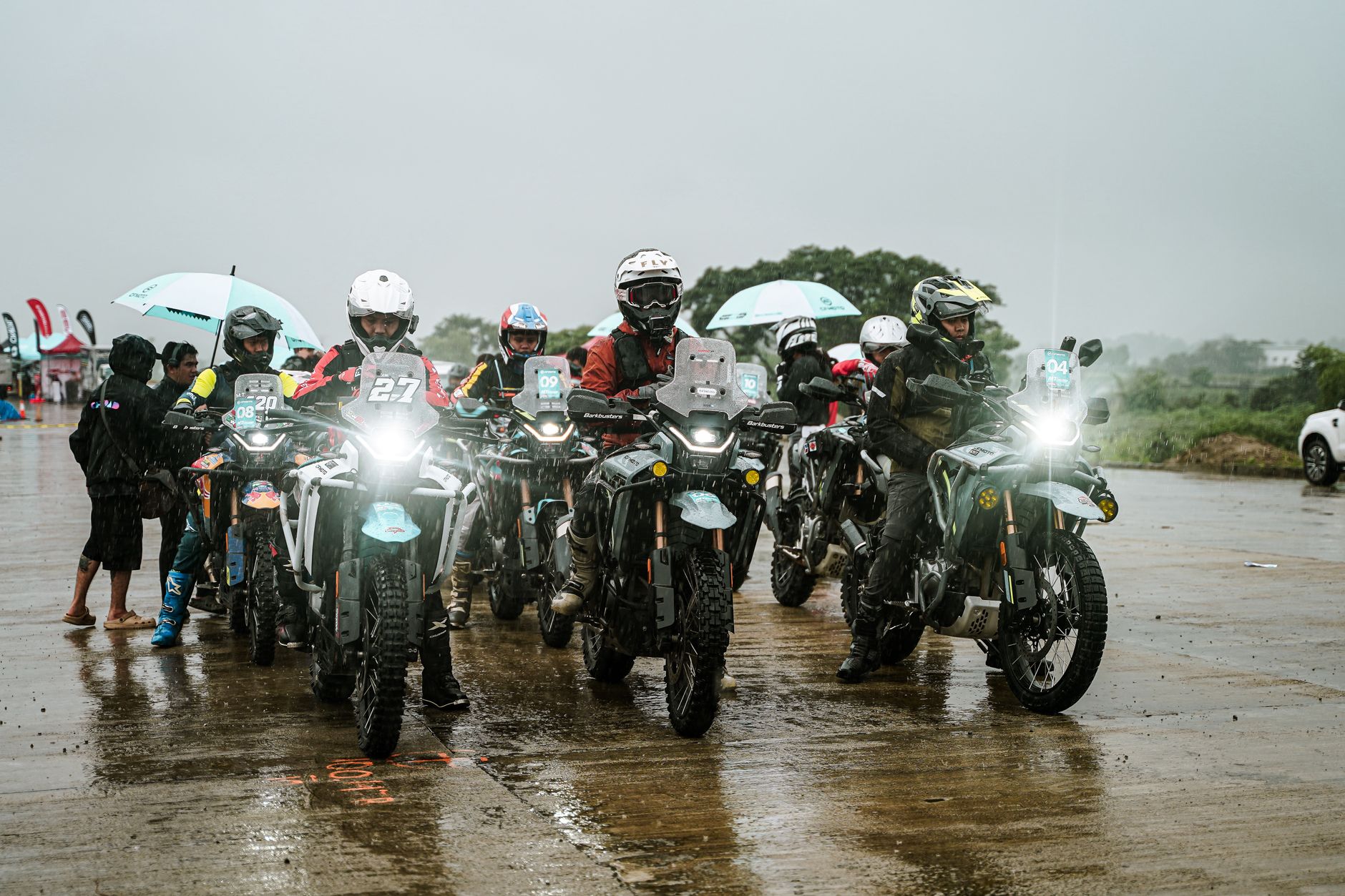
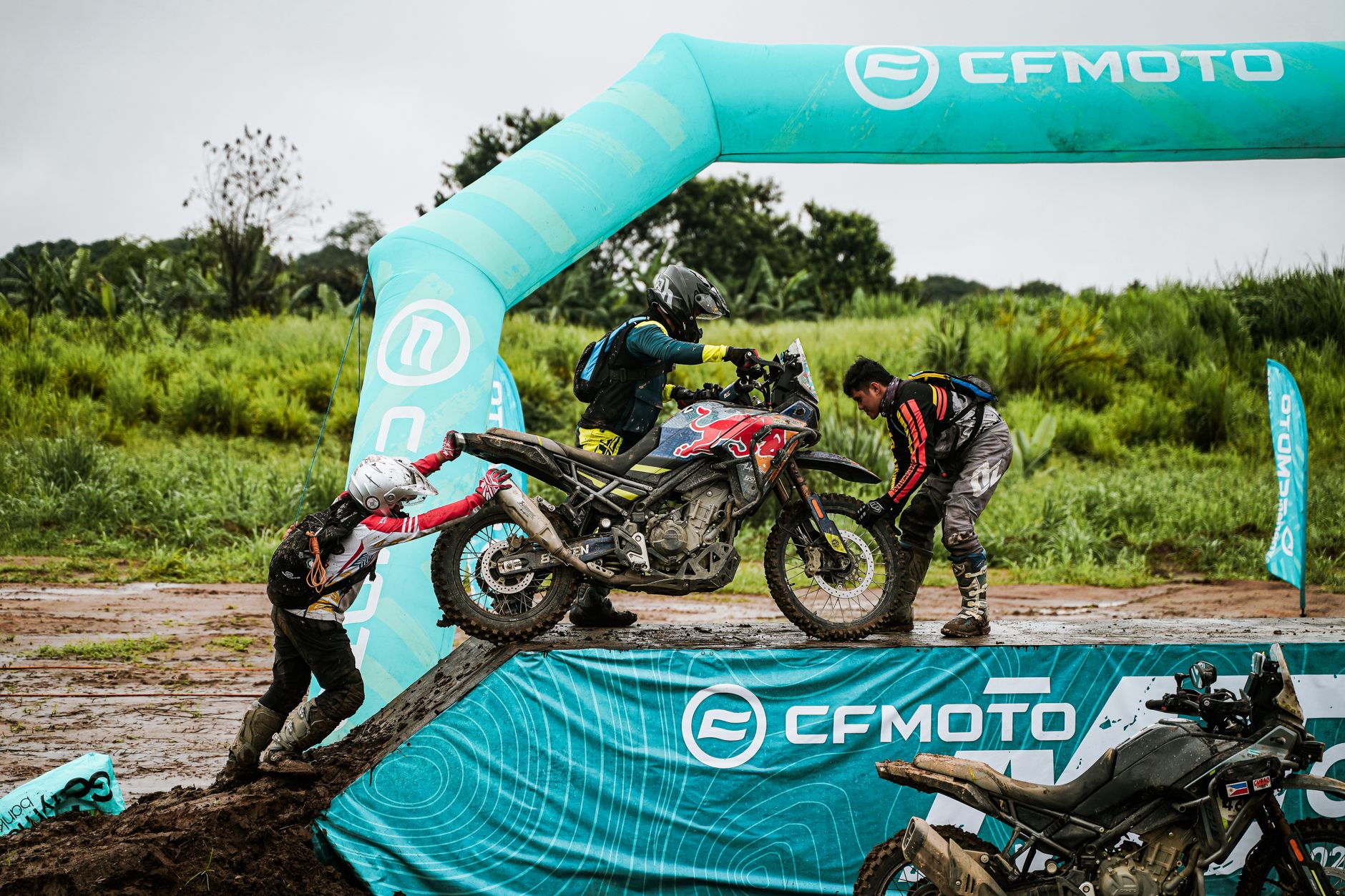
Between 2015 and 2026, it's like night and day. Chinese manufacturers understood they could no longer just copy-paste European designs with low-end components. CFMoto was a pioneer in this transformation.
Their partnership with KTM launched in 2013 has paid off. The 800 MT, released in 2021, uses the same 799 cc LC8c parallel twin as the KTM 790s. We're talking about 95 hp at 8,500 rpm and 88 N·m at 6,500 rpm. Figures verifiable on the dyno, not marketing. In the workshop, when you dismantle this engine, you find KTM machining quality: tight tolerances, proper finish on contact surfaces. The difference? The price: €8,990 versus €12,500 for a KTM 890 Adventure.
Voge, a subsidiary of Loncin (which has been manufacturing engines for BMW since 2005), followed a similar trajectory. Their 525 DSX uses a 494 cc parallel twin developing 47.6 hp. Assembly has significantly improved: torque specs respected, IP67 waterproof electrical connectors, wheel bearings from known brands (SKF or FAG depending on series).
Benelli, bought by the Qianjiang group in 2005, took twenty years to find its way. The 2015-2018 models were catastrophic: recurring oil leaks, failing electronics, paint peeling after 5,000 km. Their 2023 TRK 702 marks a breakthrough. 698 cc twin, 76 hp, steel perimeter frame, 50 mm KYB fork. We're far from the no-name suspensions of before.
QJMotor, less known in Europe but present via imports, is moving upmarket. Their SRK 700 follows the recipe that works: proven engine (inspired by Yamaha's CP2 without being a copy), Bosch electronics, J.Juan brakes. Build quality remains uneven depending on batches, but the trend is clear.
Partnerships that change the game
CFMoto and KTM, it's the marriage that legitimized the Chinese industry. KTM has been manufacturing its 790 Duke in China since 2018. CFMoto benefits in return from Austrian know-how. Concrete result: the CFMoto production line respects the same ISO 9001 standards as KTM's Mattighofen factory.
On the 800 MT, you find:
- WP Apex suspension (KTM brand) as standard
- J.Juan 4-piston radial calipers
- 7-inch TFT instrumentation with smartphone connectivity
- Bosch 9.1MP cornering ABS
In the workshop, I compared maintenance intervals: oil change every 10,000 km with 3.6 liters of 10W-50 oil (exactly like the 790 Adventure). Air filter at 20,000 km, valves at 30,000 km. Nothing exotic.
Benelli benefits from Qianjiang's experience, which produces 1.2 million two-wheelers per year. The group has invested massively in quality control since 2020. Their R&D center in Wenling employs 400 engineers, some trained at Aprilia and MV Agusta (bought then resold by the group).
"We can no longer talk about 'Chinese copy' when CFMoto uses exactly the same engine as KTM. It's the same machine coming off the same line, just with a different badge." - Technician trained at KTM France
Voge relies on Loncin's engine expertise. Since 2005, Loncin has supplied single-cylinder engines for the BMW G310. This collaboration forced the company to drastically raise its standards. Their blocks are machined on Japanese DMG Mori machines, with tolerances of 0.02 mm.
What still sticks in 2026
Let's be clear: not everything is rosy. Three points remain problematic on most Chinese brands.
Electronics and their quirks
The ECUs, even when it's Bosch or Continental, still cause problems. Not the hardware itself, but the mapping and integration. On a Voge 525 DSX, I've seen the same fault three times: error code P0505 (idle speed regulator) appearing in cold weather. The ECU is good, but the mapping isn't optimized for negative temperatures.
CFMoto does better thanks to KTM, but I still had a 450 MT with ABS that disconnected randomly. Firmware update at the dealer, problem solved, but it's still downtime.
TFT displays also have their share of bugs. Bluetooth dropping, GPS losing signal, fanciful range display. Nothing blocking, but annoying in daily use.
Paint and corrosion
Major black mark. Anti-corrosion treatments aren't up to European standards. On a 2022 Benelli TRK 502 with 15,000 km, I found surface rust on:
- Front fender mounting screws
- Turn signal brackets
- Exhaust header (under the ceramic coating)
The paint itself holds better than before, but remains fragile to impacts. A stone on the tank leaves a mark you wouldn't see on a Honda or Yamaha. Brands now use two-component paints, but the coat thickness (90-110 microns versus 130-150 on Japanese bikes) makes the difference.
CFMoto has been applying cataphoresis treatment to its frames since 2024, like European manufacturers. Result: much better on recent 800 MTs. But entry-level models (125-300 cc) don't always benefit from it.
Service network and parts
The Achilles heel. In France, CFMoto has 120 dealers in 2026, Voge about fifty, Benelli around 80. Compared to 400+ Yamaha sales points, we're far from the mark.
Concretely, if you live in a rural area, the nearest dealer can be 80 km away. And not all have trained mechanics. I've seen a CFMoto dealer unable to diagnose an injection problem, lacking suitable diagnostic equipment (the OBD cable had been out of stock for three months).
Parts lead times have improved:
- Common parts (brakes, filters, oil): 48-72h
- Engine parts: 7-15 days
- Bodywork: 3-6 weeks
- Electronics: up to 8 weeks
A complete clutch for a CFMoto 800 MT: €385 (versus €520 for an equivalent KTM), but 12 days average lead time. A front headlight for Voge 525 DSX: 6 weeks from China, €240 including tax.