Bike commuting: why and how to start
Cycling to work is booming across Europe. In France alone, urban cycling has increased by 33% between 2019 and 2025. With employer cycling incentives up to 800 euros per year and improving infrastructure, there's never been a better time to start.
Step 1: choose the right bike
The ideal commuter bike isn't a road racer. You need:
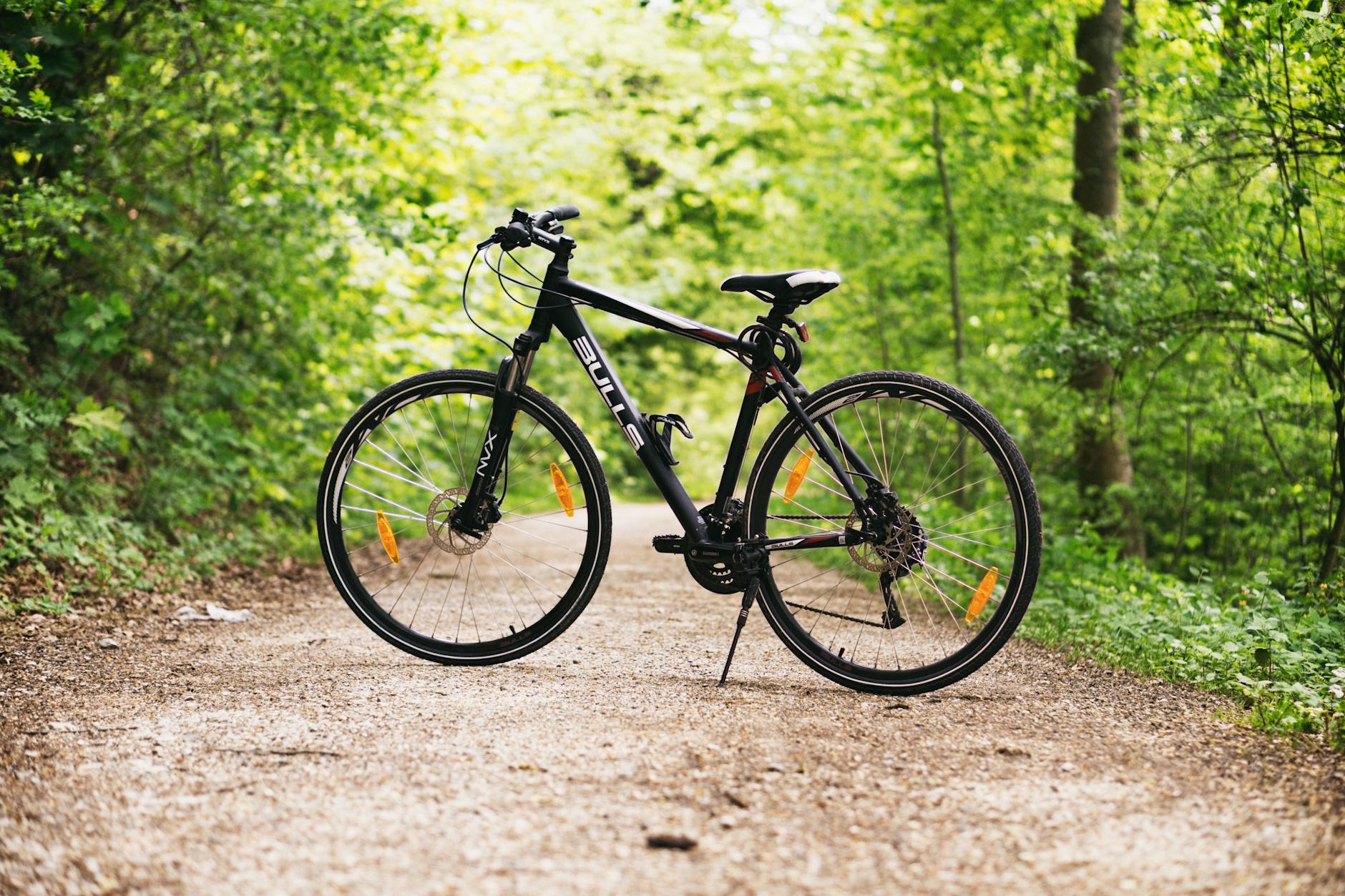
- Comfort: upright position, wide saddle, wide tires (35 mm minimum)
- Practicality: rack, fenders, integrated lights
- Reliability: hydraulic disc brakes, low-maintenance drivetrain
- Safety: reflectors, powerful lights
| Bike type | Ideal distance | Budget | Example |
|---|---|---|---|
| City bike | 1-7 km | $400-800 | Decathlon Elops 920 |
| Trekking bike | 5-15 km | $700-1,500 | Riverside Touring 900 |
| Urban e-bike | 5-25 km | $1,500-3,500 | Moustache Friday 28.3 |
| Folding bike | Multimodal | $400-2,000 | Brompton C Line |
| Gravel | 10-30 km | $1,000-3,000 | Triban GRVL 520 |
Our recommendation: if your commute is under 10 km and flat, a good city bike is all you need. Beyond that, or with hills, an e-bike is transformative.
Step 2: essential gear
Fair weather
- Helmet: not mandatory everywhere, but strongly recommended ($50-120)
- Lights: front white + rear red, USB rechargeable ($30-60)
- Lock: U-lock ART 2 minimum ($60-120)
- Pannier: Ortlieb Back-Roller (waterproof, 20L, $80-120) or front basket
Rainy weather
- Waterproof jacket: breathable (Gore-Tex, eVent) — not a cheap poncho ($80-200)
- Rain pants: lightweight over-pants ($40-80)
- Shoe covers: essential to arrive dry ($15-30)
- Fenders: the basics. Without them, you arrive covered in grime ($20-50)
The commuter checklist
- [ ] Flat repair kit (spare tube + tire levers)
- [ ] Mini pump or CO2 cartridge
- [ ] Bike multi-tool (with chain breaker)
- [ ] Reflective vest (mandatory at night outside urban areas in some countries)
- [ ] Certified lock
Step 3: plan your route
- Komoot: excellent for mixed routes with cycling-friendly paths
- Google Maps: bike mode (not always reliable for bike lanes)
- CyclOSM: open-source map focused on cycling infrastructure
- Favor separated bike paths, even if they add 500 m