
Low-emission zones (LEZ) are becoming widespread in major European cities: they restrict access to the most polluting vehicles, identified by a sticker. The problem is that each country has its own and its own rules — enough to get fined while traveling. Here's the overview (thresholds change quickly: always check local regulations before driving).
The common principle
A LEZ classifies vehicles by their pollution level (Euro standard, fuel type, age) and allows or denies them access to the zone, sometimes depending on the time or pollution peak. A sticker on the vehicle shows its category. Driving without the right sticker in the zone = fine.
Main stickers by country
- France — Crit'Air: sticker from 0 (electric) to 5, mandatory in LEZ (Paris, Lyon, etc.).
- Germany — Umweltplakette: the green sticker ("grüne Plakette") to enter most Umweltzones.
- United Kingdom — ULEZ (London): no physical sticker, but automatic number plate recognition and a charge if the vehicle doesn't meet the standard.
- Italy — Area C / Area B (Milan, etc.): restrictions by category, sometimes with charges.
- Spain — ZBE with the environmental label DGT (0, ECO, C, B).
What about two-wheelers?
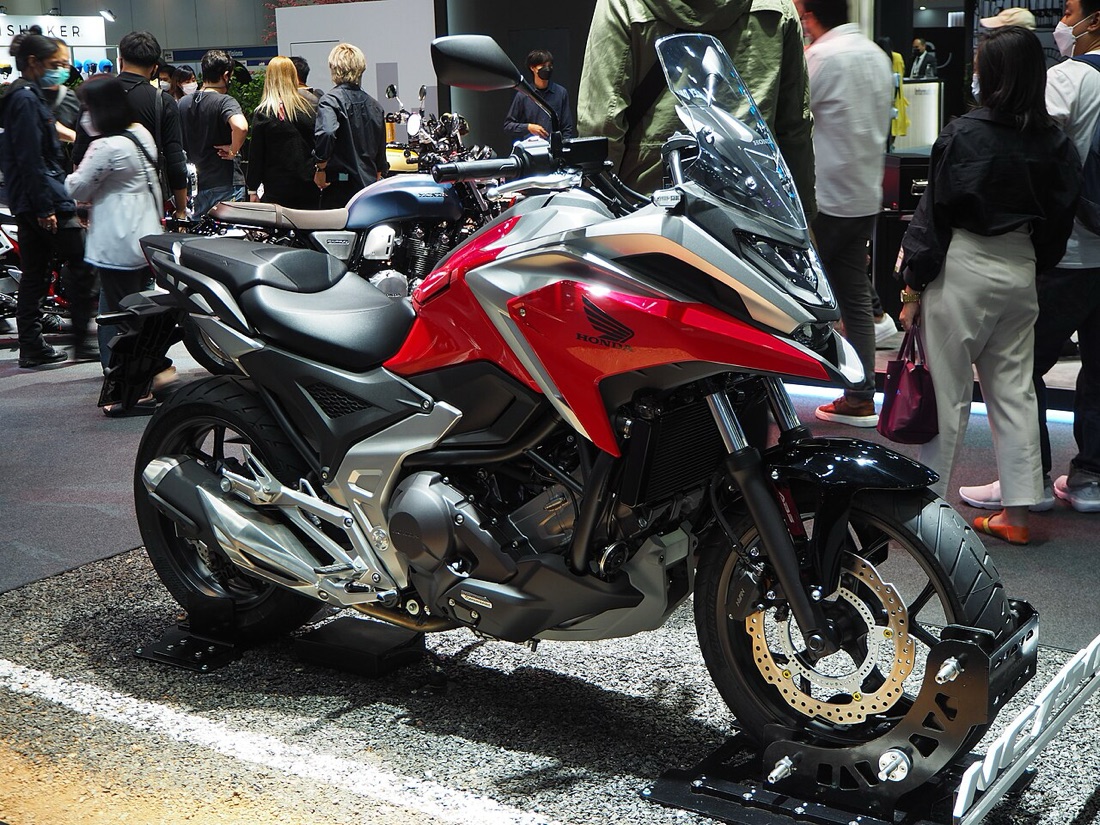
Motorcycles and scooters are affected in most LEZ (often via the Euro standard). Rules for two-wheelers sometimes differ from those for cars — a point to check city by city. See also our comparison of motorcycle regulations across Europe.