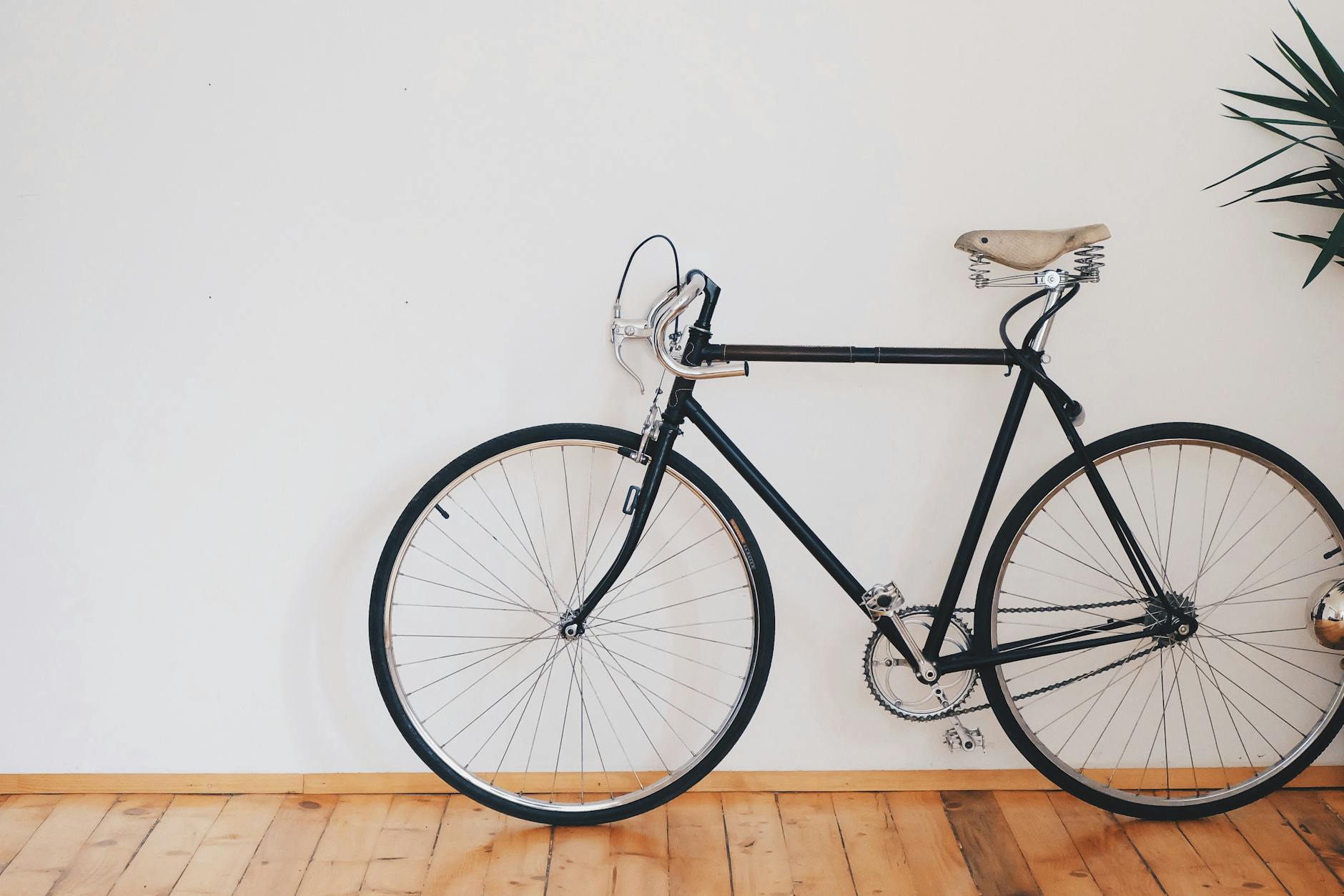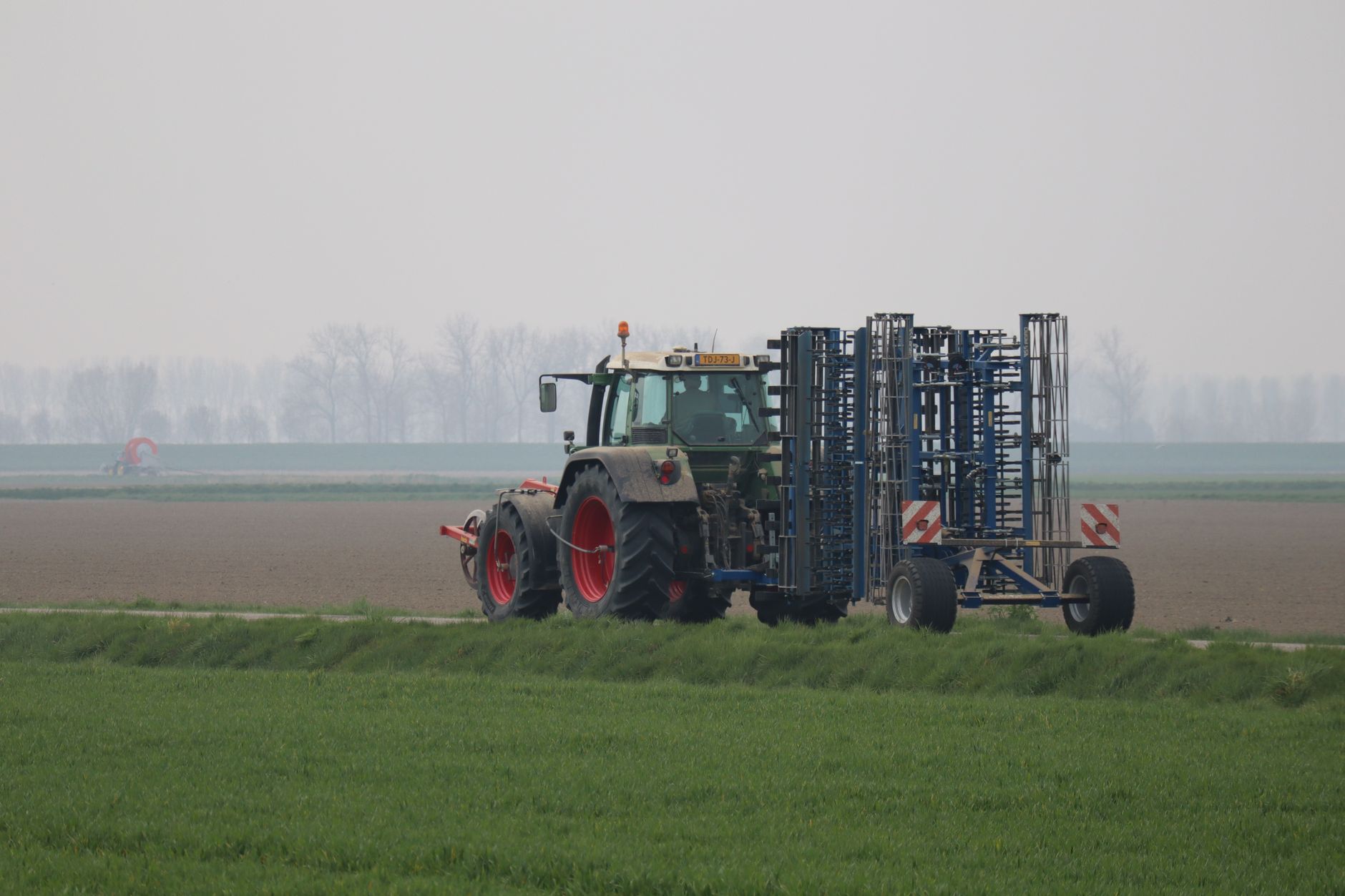

The used market for motorcycles and bicycles is strongly seasonal. Not mildly so: between the January trough and the April peak, the number of active buyers varies by a factor of two on some segments, while the stock of listings moves far less.
That imbalance costs you or earns you, depending on which side of the deal you are on.
What the seasonality says
The cycle repeats year after year:
- March to June: peak demand. Asking prices rise, negotiations get shorter, good machines sell in under a fortnight. This is the seller's season.
- July and August: a slowdown, shifted by the holidays.
- September and October: a short revival, driven by sellers wanting to clear out before winter.
- November to February: the trough. Fewer buyers, more sellers pushed by the cost of standing still — insurance, storage, servicing a machine that isn't being ridden.
The price gap between trough and peak commonly sits between 5 and 10 % on the same machine, and more on the most seasonal segments: adventure bikes, weekend bikes, mountain bikes, road bikes. It is smaller on everyday transport — commuter scooters, hybrids, town bikes — where demand barely moves.
On a £6,000 motorcycle, that gap is £300 to £600: the equivalent of a set of tyres and a service.
Why sellers give more ground in winter
Three reasons stack up:
- Waiting has a real cost. A seller who holds on to the machine until spring pays four months of insurance and sometimes storage, and will have to recommission it all over again.
- The number of enquiries collapses. A listing that got ten messages in April gets two in December. A seller who receives a serious offer treats it seriously.
- End-of-year cash needs drive a share of the sales.
The tactical consequence: in winter, an offer 8 to 12 % below the asking price, argued on concrete points (tyres, a service due, wear parts), succeeds far more often than in spring.
What winter reveals
This is the technical advantage, rarely mentioned. A cold-weather test ride brings out faults that a spring one hides completely:
- A genuine cold start. On a warm machine, everything starts. At 3 °C, a tired starter motor, a battery at the end of its life, a worn plug, a failing automatic choke or badly calibrated injection show up immediately.
- Leaks. Cold stiffens the seals; a leak in the making shows itself sooner.
- The cooling system. An abnormally slow warm-up, a thermostat stuck open, a fan that never cuts in.
- Condensation and corrosion: a machine stored outdoors cannot hide in December. Oxidation on fasteners, the exhaust, the spindles.
- The electrics. Heated grips, lighting, every consumer switched on at once will expose a weak charging circuit.
The rule: insist on a cold start, with an engine that hasn't run for at least six hours. A seller who has warmed the machine up before the buyer arrives, in winter, raises a question — a polite one, but a real one.