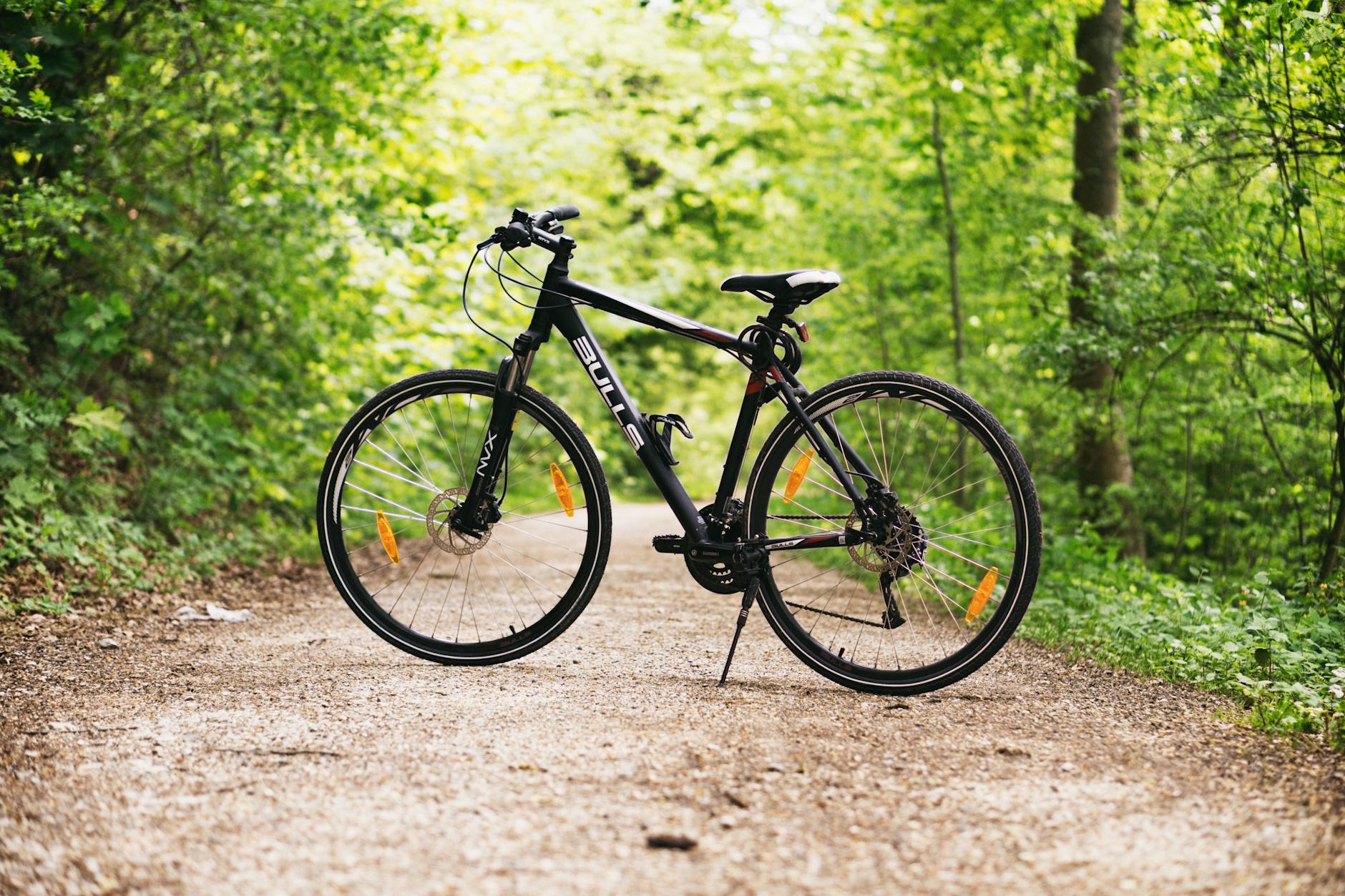
Used bikes tick every box for fraudsters: attractive sums, transactions between strangers, an item that is easy to move on, and sellers who are often in a hurry to be done with it. The scenarios are few in number, though, and they repeat. Knowing them is enough to shut them down in the first few minutes of a conversation.
This guide describes the six most common patterns, the signals that give them away, and the rules of conduct that make a sale safe.
1. The fake bank transfer
The most widespread scenario. The buyer announces they have made the transfer, produces a screenshot of the confirmation, then pushes: "it's gone, it'll land within 24 hours, I'll take the bike now."
The screenshot is fabricated, or the transfer is reversed afterwards.
Signals: insistence on urgency, refusal to use an instant transfer, a screenshot presented as proof, the "bank processing delay" argument.
Rule: the bike only leaves once the funds are visible in your account, checked in your own banking app, on your own phone. No screenshot, no confirmation email, no text message counts as proof. Faster Payments exists and settles in seconds: a genuine buyer has no reason to refuse it.
2. The forged banker's draft
Banker's drafts and building society cheques still carry an aura of security that is no longer justified. Forgeries are very good, and a falsified draft can be returned weeks after it was paid in — long after the bike has gone.
Signals: an unprompted offer to pay by banker's draft, often for more than the asking price, with a request to refund the difference.
Rule: refuse on principle. If the amount really demands it, insist on handover at the issuing branch, during opening hours, verified by the cashier in front of you. Ring a branch number you have found yourself, never the one printed on the draft.
Personal cheques should be ruled out in every case — they are all but extinct in UK private sales anyway.
3. Money transfers and irreversible payments
The buyer proposes a money transfer service, a prepaid card, cryptocurrency, or PayPal "friends and family". These methods share one feature: no recourse once the operation has gone through.
In a frequent variant, the seller is the target: they are asked to advance courier or insurance fees, to be "refunded along with the payment".
Rule: a seller never pays anything in a sale. No admin fee, no deposit, no advanced shipping cost, no payment-release charge.
4. The phantom courier
A "buyer" a long way away, often abroad, offers to send their own courier. Shortly afterwards you receive an email imitating a payment platform or a delivery service: the payment is supposedly "held pending despatch", or needs confirming through a link.
The link leads to a fake site that harvests your banking credentials, or gets you to authorise an outgoing payment.
Signals: a buyer who has never seen the bike and asks no technical questions, English that is either broken or oddly formal, insistence on a specific courier, emails with official-looking logos but inconsistent sender addresses, permanent urgency.
Rule: only ship via a service you have chosen and paid for yourself, deducted from the price, or through a recognised escrow platform. Never click a payment link received by email or message: always open the site or the app yourself.
5. The test ride that becomes a theft
This is the only scenario where the risk is physical and immediate. The buyer asks for a test ride, goes "just to the end of the road", and does not come back.
Signals: no vehicle in sight, no ID offered unprompted, refusal to leave anything as security, a meeting requested somewhere isolated or late in the day.
Rules:
- Keep real security during the ride: their ID in your hand, photographed before they set off, or ride alongside them.
- ID can be forged. Photographing it and sending it to someone you know before the ride is still a deterrent.
- Set a visible perimeter and a short time limit.
- Refusing a test ride on a machine worth several thousand pounds is not unreasonable: offer a static test and a full inspection instead.