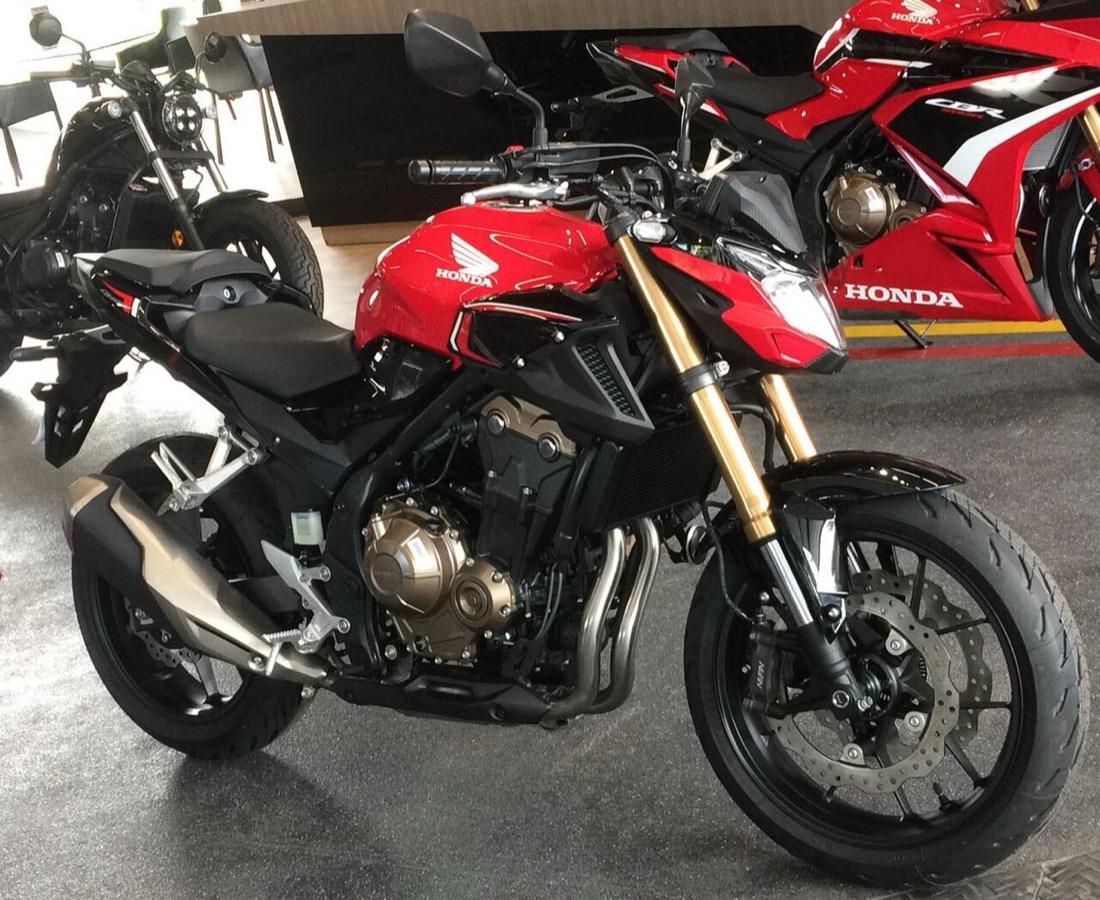

The channel you sell through determines two things: how much you bank, and how much time and energy it costs you. Both vary enormously — the gap between a dealer part-exchange and a well-run private sale routinely reaches 20 to 30% of the value of the machine. Here is the honest comparison, without assuming that one channel beats another.
The overview
| Channel | Price achieved (100 = private market price) | Typical timescale | Workload | Risk |
|---|---|---|---|---|
| Classifieds (Auto Trader Bikes, eBay UK, Facebook Marketplace, Gumtree) | 95–100 | 3 to 8 weeks | High | Moderate (scams, test rides) |
| Specialist motorcycle sites and owners' forums | 95–100 | 3 to 8 weeks | High | Moderate |
| Dealer part-exchange | 70–80 | 1 to 3 days | Very low | Almost none |
| Online buying services | 75–85 | 3 to 10 days | Low | Low |
| Sale or return at a dealer | 85–90 | 4 to 12 weeks | Low | Low |
These figures hold for an ordinary bike in good condition. They tighten for models in strong demand (recent mid-capacity roadsters, 500 to 900 cc adventure bikes) and widen for machines that are hard to place: big tourers, cruisers over ten years old, high-mileage sportsbikes.
General classifieds
Auto Trader Bikes dominates the UK used motorcycle market, with eBay UK, Facebook Marketplace and Gumtree behind it — Marketplace and Gumtree strongest on younger buyers and smaller capacities.
What it earns you: the full market price, less the negotiation. It is the maximum a private seller can reach.
What it costs you:
- Writing the listing, photos, follow-ups: 3 to 5 hours in total.
- A high volume of non-serious messages. On a live listing, expect most enquiries to lead nowhere.
- Near-systematic scam attempts in the first 48 hours: fake overseas buyers, phantom couriers, requests to pay through unusual routes. They are crude and easy to dismiss, but they consume attention.
- Managing viewings and test rides, with the physical risk that goes with them.
Who it suits: people with time, a decent place to receive buyers, and the goal of maximising the amount banked.
Specialist motorcycle sites and forums
Several platforms concentrate on two wheels and offer better-structured listings with standardised technical fields. Owners' forums and marque-specific groups sit in the same bracket.
Real advantage: the audience is qualified. Fewer time-wasting messages, and buyers who know the model and ask relevant questions. On niche machines — classics, modified bikes, sportsbikes with documented history — this is often the most effective channel.
Limit: visitor volume stays below the generalists. For a 125 scooter or a mass-market roadster, Auto Trader's audience gives better results.
In practice: nothing stops you listing on both. That is the default strategy. Just budget £10 to £35 for promotion if you want to climb the results.
Dealer part-exchange
You take the bike in, a figure is offered, you leave without the bike and with the money — or with a discount on the next machine.
What you need to understand: the dealer has to recondition it (service, tyres, wear parts), warrant it, tie up capital for several weeks and resell it with a margin. The discount applied reflects that economic reality, not an attempt to fleece you. Typically expect 20 to 30% under the private market price, more on models that are hard to shift.
What it gives you:
- Zero paperwork: the dealer handles the V5C and notifies DVLA.
- Zero payment risk.
- No liability for undeclared faults once the sale to the trade is done.
- Immediate cash, often the same day.
The lever: part-exchange as part of buying a new machine is markedly more favourable than a straight buy-in. The salesperson trades off their margin on the new bike against the part-exchange figure. Always ask for the two to be quoted separately, otherwise you have no visibility on what you are actually being given.
Before you go to the dealer, have a number in your head: a free two-minute valuation at /cote-moto gives you the private-sale reference value, which lets you measure the gap being offered and judge whether it is normal or below par.