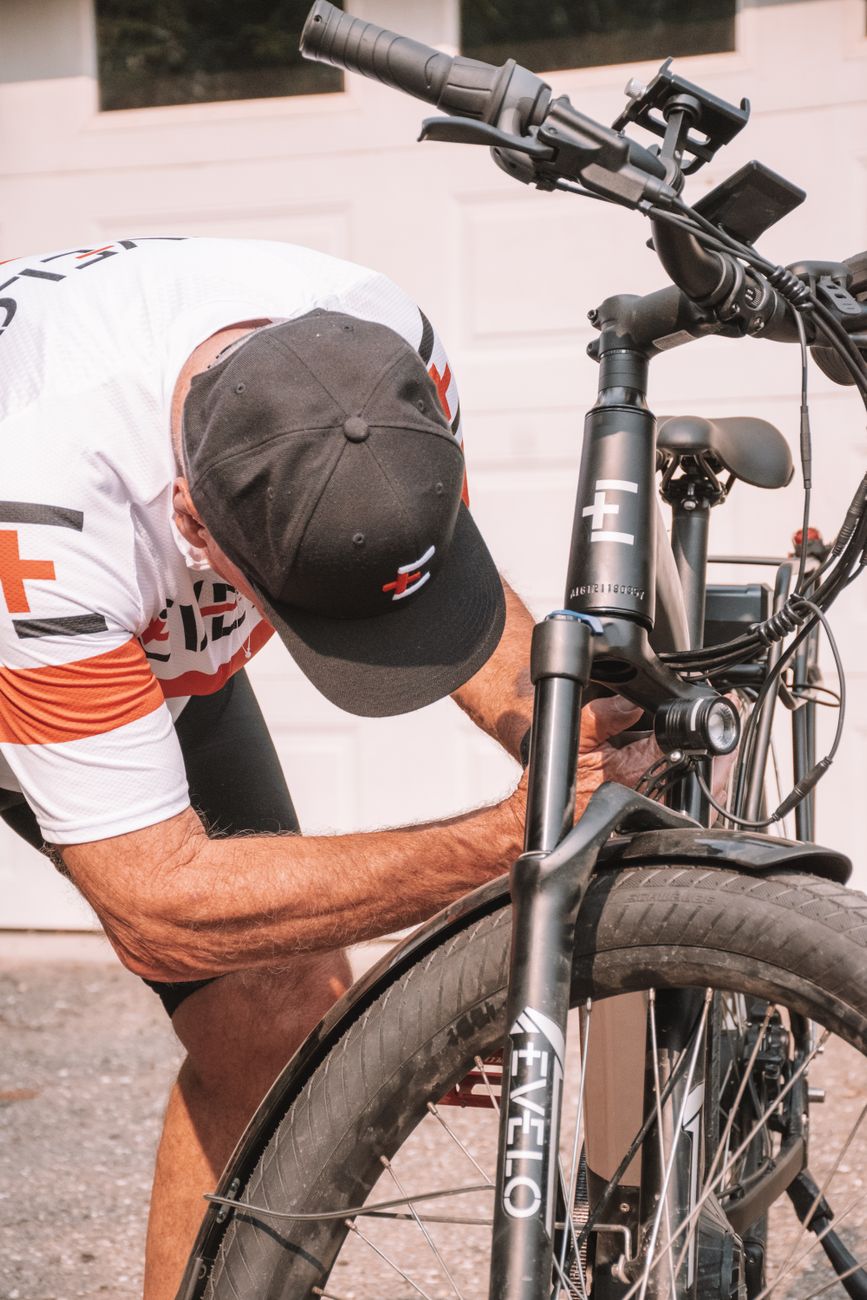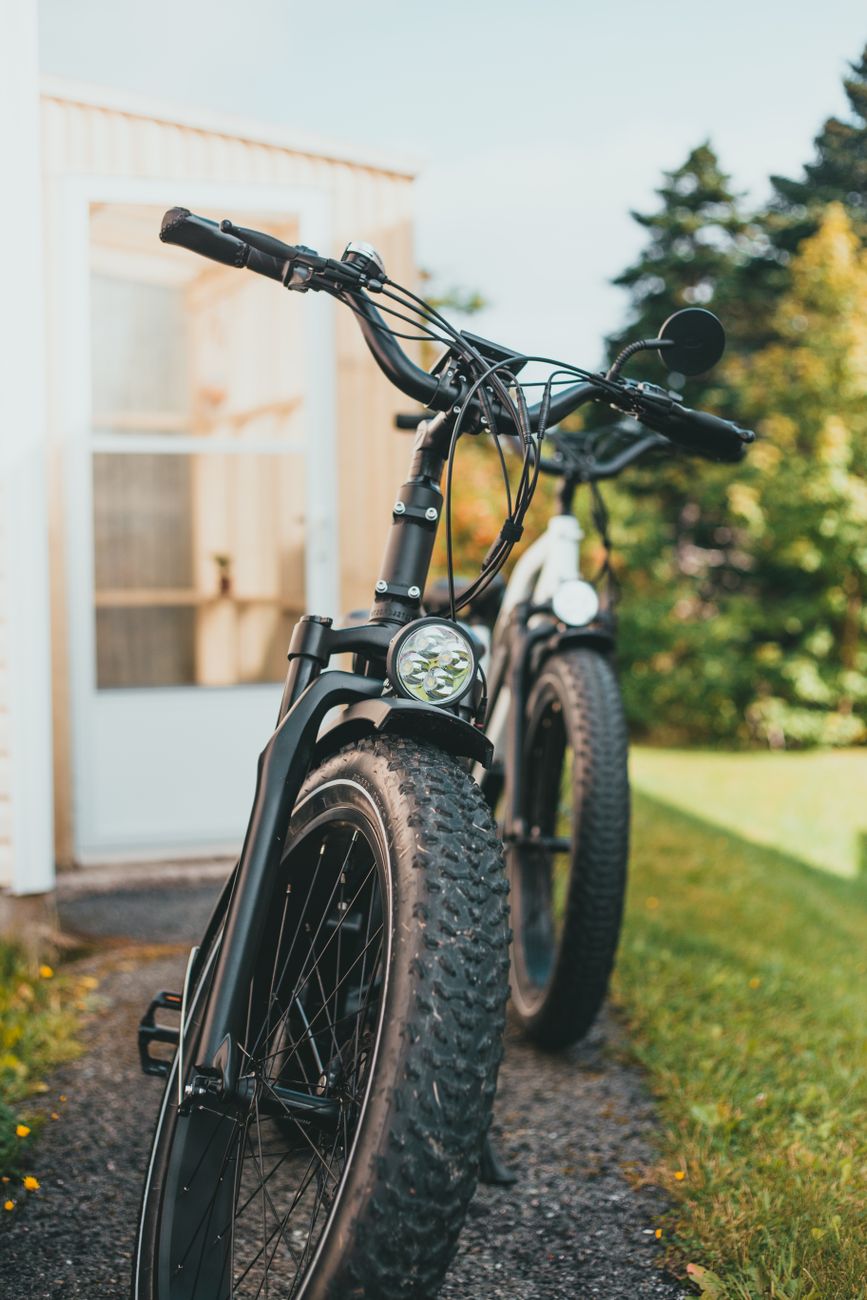
An e-bike for €499 (or a few hundred pounds), delivered tomorrow, with "1,000 W", "100 km range" and 4.5 stars. On Amazon, AliExpress, eBay or a big retailer's marketplace, the choice is huge and some of it is honest. But it's also where the machines that end up impounded, and the batteries that end up in fires, are sold.
Here are the seven traps we see most often, and how to spot them on the listing, before you pay.
Trap 1: the fake 250 W
The law doesn't look at the listing title but at the motor's continuous rated power: 250 W maximum, assistance cut at 25 km/h (15.5 mph), and only when pedalling. That's the rule in France and the EU, and the UK's EAPC rules match it. Above that, it's an L1e moped (see our article on the electric fat bike and the law).
Wording that should alert you:
- "250 W" in the title, but "500 W", "750 W" or "1,000 W" further down the specs;
- "48 V 1,000 W motor, speed limited to 25 km/h": limited or not, it isn't a bicycle;
- "off-road mode", "top speed 32 km/h", "unlockable";
- a throttle that works without pedalling above 6 km/h.
Known brands' listings aren't immune. In October 2026, Duotts lists its C29 and F26 at 750 W, Samebike its M20 at 1,000 W, and Engwe sells on its own European site an X26/X24/X20 series at 1,000-1,200 W "limited to 25 km/h". The French cycle industry estimates that 8% of e-bikes sold in France in 2025 were non-compliant, including 96% of fat bikes, and that 125 brands offered such products, increasingly sold online.
Trap 2: the standard quoted without proof
Three references keep appearing on listings:
| Standard | What it covers | Where it applies |
|---|---|---|
| EN 15194 | The complete electrically assisted cycle: mechanical and electrical safety, 25 km/h limit, electromagnetic compatibility | Europe (harmonised standard), also used in the UK |
| EN 50604-1 | Lithium-ion batteries for light electric vehicles: safety tests (short circuit, overcharge, impact, temperature) | Europe |
| UL 2849 | The bike's complete electrical system (battery, charger, motor, controller), fire tests | United States, required for e-bikes sold in New York City since 2023 |
Writing "EN 15194 certified" costs nothing. What counts is the declaration of conformity (CE, or UKCA in Great Britain) signed by the manufacturer or its representative, and ideally the name of the test lab. Some brands name the body on the listing (Engwe states "EN15194 by TÜV" on several models, Fiido cites EN 15194 on the C700). If the seller can't supply anything, assume the standard isn't met. A "UL" logo on a bike sold in Europe is not proof of European conformity.
Trap 3: the battery, the real danger
Lithium-ion battery fires in e-scooters and e-bikes have become a concern for fire services on both sides of the Channel. A cell in thermal runaway gives off toxic smoke and can throw burning cells several metres. Incidents remain rare compared with sales volumes, but they cluster around poor-quality batteries, damaged ones, or ones charged with the wrong charger.
What to check:
- the cell brand (Samsung, LG, Panasonic, Molicel…) and a stated BMS (battery management system);
- weight versus capacity: a battery claimed at 960 Wh that weighs 2.5 kg doesn't exist. An e-bike pack rarely exceeds 180 Wh per kilo;
- a charger supplied with the battery, at the right voltage, never a "universal" charger bought separately;
- a replacement battery sold by the brand. Otherwise, the day it fails, you'll be hunting for an unwarranted copy.
And in every case: charge under supervision, not in the hallway that's your escape route, not in the sun, never a battery that's been dropped or deformed. A battery that swells, heats up or smells: stop and get it outside.
Note: from 18 February 2027, the EU Batteries Regulation (2023/1542) will require light-vehicle batteries to be removable and replaceable by an independent professional, down to cell level. Great Britain isn't bound by it, but it's a good reason to prefer a removable, documented pack today.
Trap 4: the untraceable seller
On a marketplace, "sold by" and "dispatched by" are two different pieces of information. Since 13 December 2024, the EU General Product Safety Regulation (2023/988) requires an online offer to name the manufacturer and, if it's outside the Union, a responsible person established in the EU (Great Britain has its own product-safety rules). If the listing gives no address and no contact, and the seller's name is six consonants, you'll have nobody to talk to if things go wrong.
Engwe even publishes a warning about fake sellers using its name: purchases not covered, no after-sales. Check the seller appears on the brand's official list.