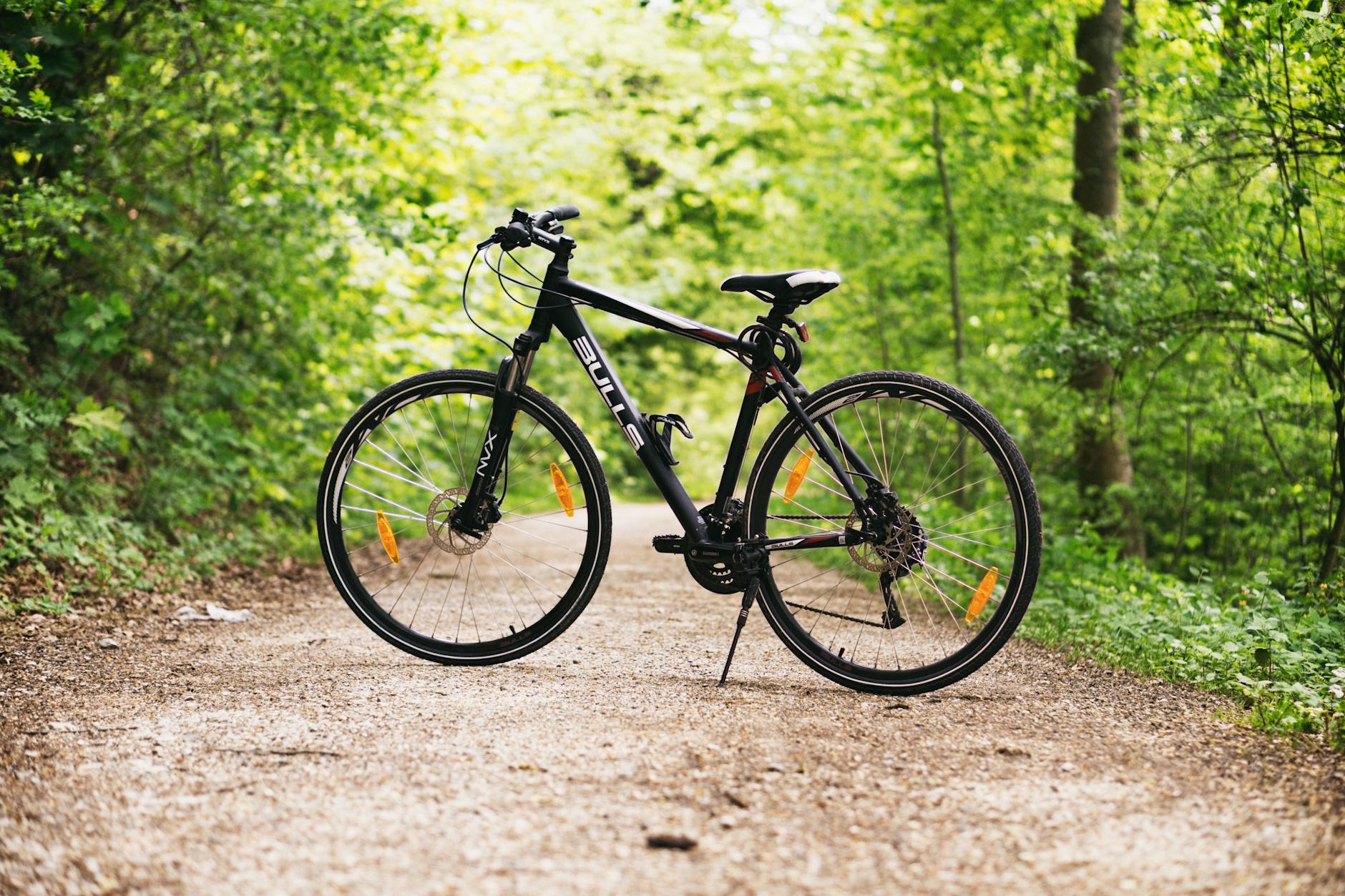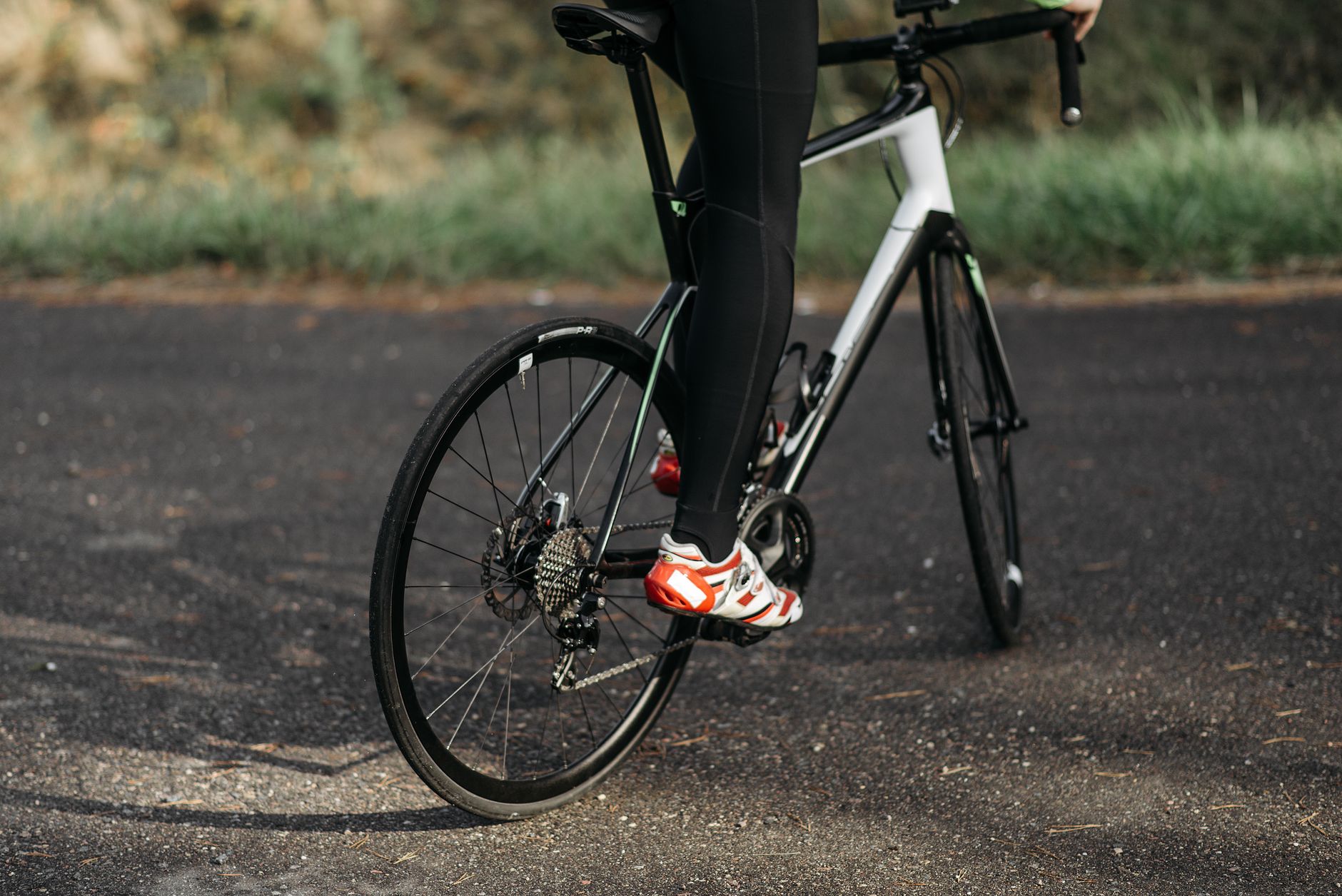

Does the "women's bike" really exist?
Yes and no. In truth, there is no "women's frame" fundamentally different from a "men's frame." What exists are statistical anthropometric differences between sexes, and possible adaptations.
The real morphological differences
On average (not in absolute terms), women have:
- A shorter torso relative to leg length → need a shorter reach
- Narrower shoulders → need a narrower handlebar
- Smaller hands → need brake levers with shorter reach
- A wider pelvis → need a wider saddle
- Lower weight → possibility of softer suspension settings
Note: these are statistical averages. A 1.80 m tall woman with broad shoulders will be better on a unisex L frame than a 1.55 m woman.
What brands do (and don't do)
Real "WSD" adjustments (Women Specific Design)
| Component | Unisex | Women's version | Real impact |
|---|---|---|---|
| Saddle | 143 mm wide | 155 mm wide | High — the saddle is the most critical contact point |
| Handlebar | 420 mm (road) | 380-400 mm | Medium — depends on your build |
| Frame reach | Standard | 5-15 mm shorter | Low — a shorter stem achieves the same |
| Brake levers | Standard | Shorter reach | High if you have small hands |
| Suspension | Medium tune | Softer tune | Medium — adjustable on most forks |
Pure marketing
- Color: a pink or pastel frame changes nothing about performance
- Lowered top tube: historical legacy (skirts). In 2026, step-through is about practicality (city bikes), not gender
- "Women's edition": often the same frame with just saddle and bars swapped