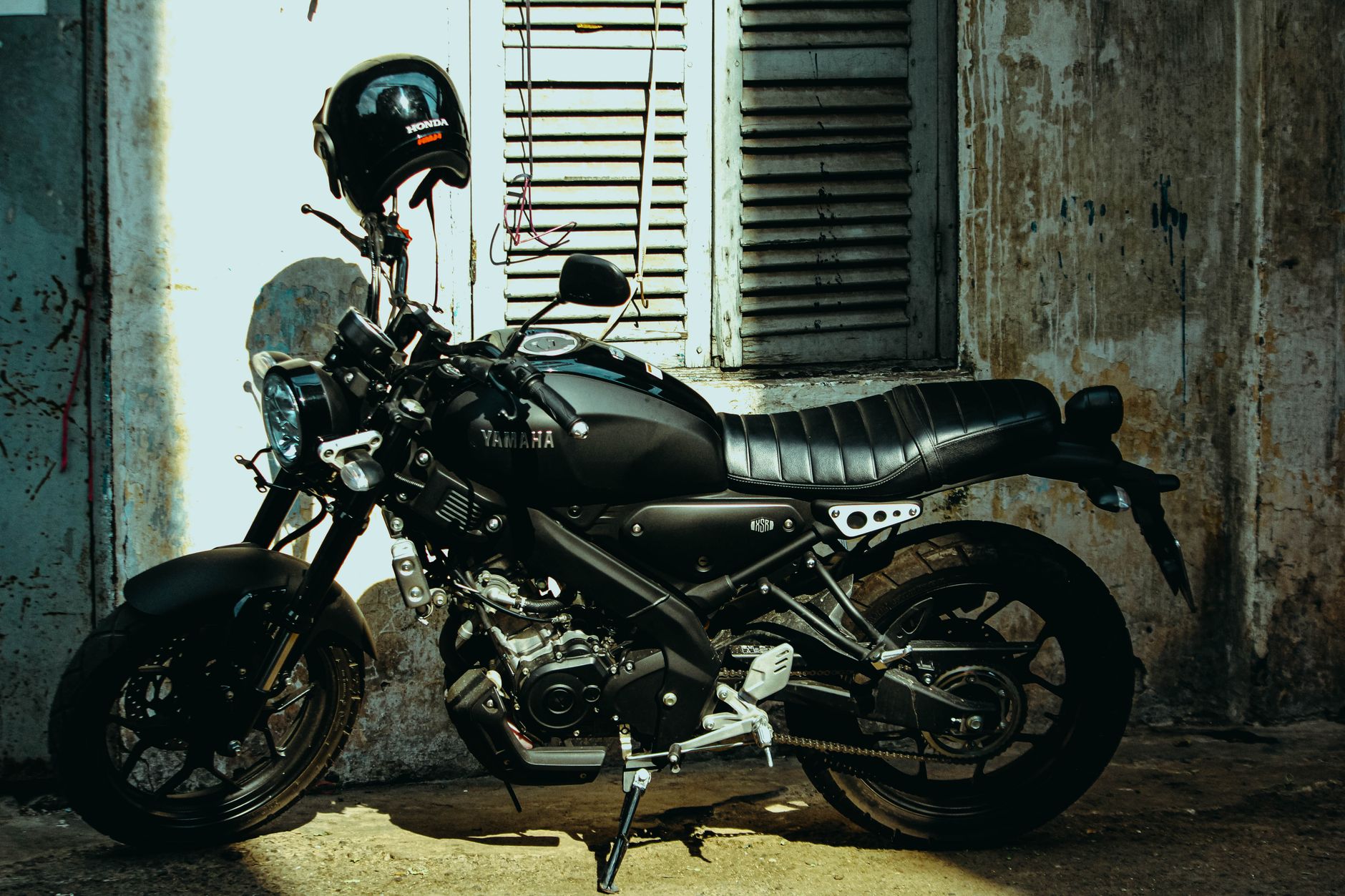
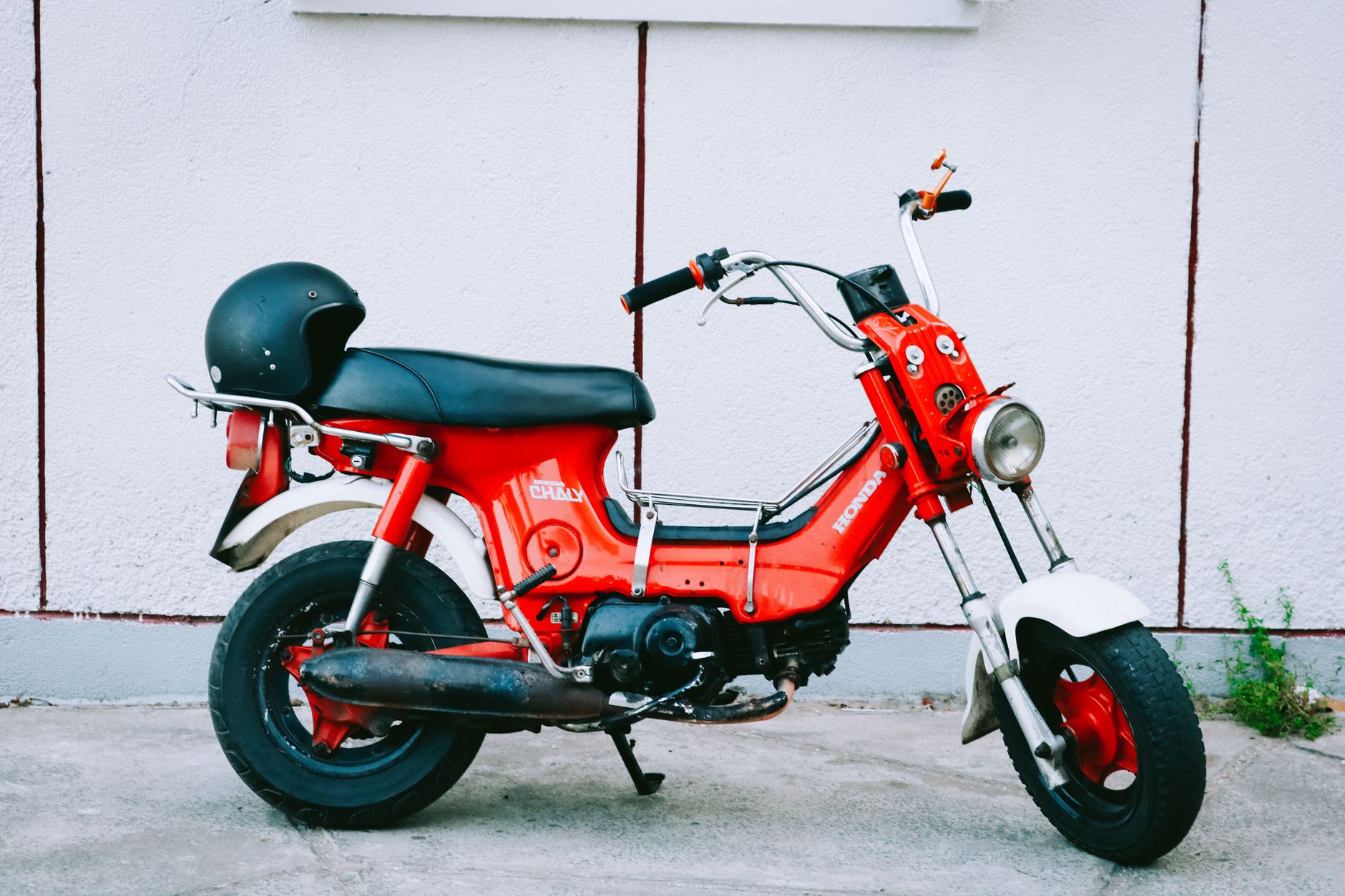
The duel looks simple: the Honda Monkey 125, the mini-bike icon, against the CFMoto Papio, its retro-styled Chinese rival, sold in the US for $3,299 in SS form. A new Monkey costs €4,400 in France. The Papio should be the obvious bargain.
There's a problem, and it needs saying up front: the Papio isn't imported into France or the UK. Le Repaire des Motards noted again in 2025 that the models "never made it to France", and Visordown reported that CFMoto's UK importer had "no plans" for the Papio. In France, the CFMoto range focuses on mid-size adventure, naked and neo-retro bikes: the Papio isn't in it. So this comparison does two things: shows what the Papio is worth on paper, and tells you what to buy instead if it's the price that tempts you.
Specs side by side
| Item | CFMoto Papio (125 ST / XO-1) | Honda Monkey 125 |
|---|---|---|
| New price | No UK or French price; $3,299 in the US (Papio SS) | €4,400 in France (2026) |
| Engine | 126 cc single, air-cooled | 124 cc single, air-cooled |
| Power | 9.5 hp at 8,500 rpm | 9.4 hp at 6,750 rpm |
| Torque | 8 to 9.4 Nm depending on the sheet | 10.7 Nm at 5,500 rpm |
| Gearbox | 6-speed | 5-speed |
| Weight | 114 kg | 104 kg wet |
| Tank | 7 litres | 5.6 litres |
| Seat height | 760 mm | 775 mm |
| Wheels | 12 inch | 12 inch |
| Brakes | 210 mm and 190 mm discs; ABS depending on version and market | Front and rear discs, ABS |
| Emissions standard | Approval depends on the country of sale | Euro 5+ for 2026 |
The Papio's specs vary from market to market: the version tested in Canada in 2022 had no ABS, the XO-1 shown in China did. That's the first clue to what an import would mean: you're buying a bike specified for another market.
Fundamentally, the two bikes are close: same format, same 12-inch wheels, same power. The Honda has more torque lower down, 10 kg less and a well-spaced 5-speed box; the Papio has one more gear and a bigger tank.
What the tests say
- Honda Monkey 125: Motoplanete describes a fun machine, easy to manoeuvre in tight spaces, ideal in town and for short trips, with estimated fuel use of 1.5 l/100 km and a top speed around 90 km/h. The structural limit: it's a solo bike with no real room for a passenger. For 2026, Honda revised the ignition and injection for Euro 5+ and added an OBD2 diagnostic socket.
- CFMoto Papio: Canadian magazine Customtour's test praises a low seat and a size that reassures beginners, very low fuel use and real fun in town. Its reservations: the engine runs out of breath above 80 km/h, ergonomics are tight for tall riders, and long-term reliability isn't yet established.
Servicing
The Monkey is serviced about every 6,400 km: oil, spark plug and valve clearance check at each interval, according to the schedule quoted by maintenanceschedule.com (check your book). One quirk: no cartridge oil filter, but a strainer and a centrifugal filter, best left to a workshop. On such a small engine, oil changed on time matters more than anything; our annual 125 servicing checklist applies.
For the Papio, we found no service schedule published in Europe. That's where the lack of an importer becomes concrete.
Why a private import is a false economy
Bringing a Papio in from a country where it's sold is possible in theory. In practice:
- Registration: a bike without a valid European certificate of conformity has to go through individual approval — in the UK, the DVSA's Motorcycle Single Vehicle Approval before the DVLA will register it. Nothing guarantees a North American or Asian version will pass (lighting, emissions, noise). The general steps are in importing a used motorcycle within Europe.
- Warranty: no UK or French dealer network will honour it.
- Parts: no national stock; a lever or indicator after a drop becomes an overseas order.
- Resale: with no network or recognition, an imported bike finds few buyers, and at a knock-down price.
All told, the saving at purchase is likely to be eaten by costs and lost time. For the Chinese brands that are actually present, read parts, warranty and dealer network for Chinese motorcycles.