Back
GuidePower Tools

Brush cutter: which power to choose for your terrain

M
Max
6 minApril 13, 2026
Brush cutter: which power to choose for your terrain

String trimmer, brush cutter or blade cutter?

Before talking about power, we need to distinguish three tool categories that are often confused:

  • String trimmer (line trimmer): nylon line, for finishing work (edges, walls, around trees). 25-30 cc or entry-level battery.
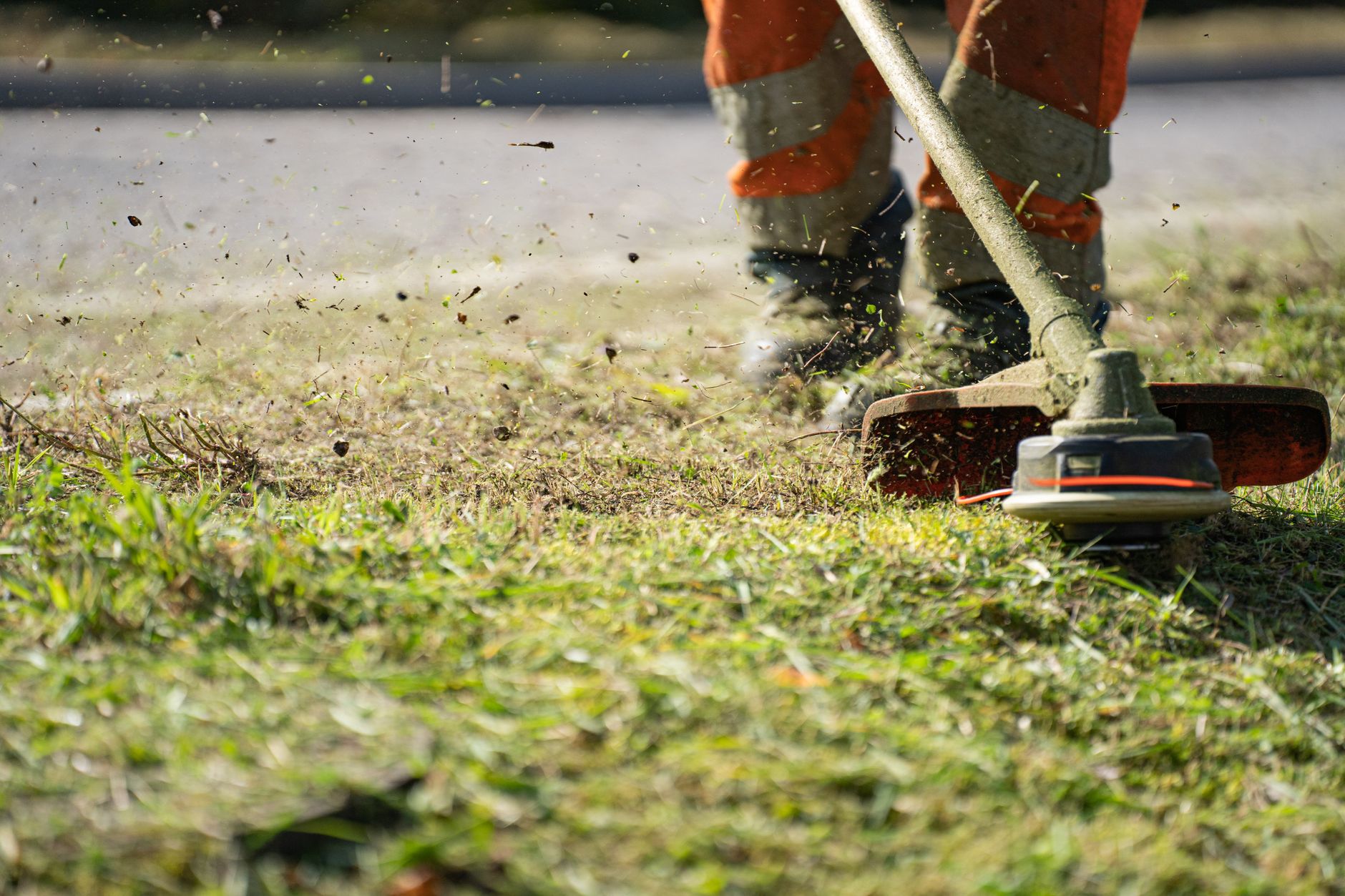
  • Brush cutter: heavy nylon line or knife head, for tall grass and light brambles. 30-40 cc.
  • Blade cutter: 2 or 3-tooth steel disc, for thick brambles, brush and small wood. 35-50 cc.

Simple rule: if you only cut grass around the house → string trimmer. If you need to clear overgrown land → blade cutter.

What power for what terrain?

TerrainVegetation typeRecommended displacementExample models
Lawn / finishingShort grass, edges25-28 ccStihl FS 38, Husqvarna 128R
Sloped terrainTall grass (30-60 cm)28-35 ccStihl FS 131, Husqvarna 325RJX
Light overgrowthTall grass + thin brambles35-40 ccStihl FS 240, Husqvarna 535RXT
Dense overgrowthThick brambles + shrubs40-50 ccStihl FS 460 C, Husqvarna 545RXT
Undergrowth / clearingSmall wood up to 5 cm45-55 ccStihl FS 560 C, Husqvarna 555RXT

The battery option

Battery brush cutters have made huge progress. In 2026, pro models are credible for regular use:

  • Stihl FSA 135 (36 V AP): equivalent to a 30 cc. Excellent for finishing and medium-sized areas. 30-45 min runtime with AP 300 S.
  • Husqvarna 535iRXT (36 V BLi): equivalent to a 33 cc. Slightly more powerful than the FSA 135. Compatible with backpack battery for more runtime.
  • Makita DUR368L (2x18V LXT): the budget option. Less powerful than the other two but you reuse your Makita batteries.

Battery advantages: lightweight, quiet, instant start, no fuel mix. Limits: runtime (30-60 min), not powerful enough for dense clearing.
The specialised AI mechanic

Ask the AI mechanic your real question

Share your exact model, get the sourced answer in seconds.

L'Atelier Assistant

Source: Official workshop manuals

Ask the AI mechanic…

The harness: a vital investment

Above 30 cc, a harness is mandatory. Not just a shoulder strap — a proper double-strap harness with suspension hook:

  • Simple strap: sufficient for a light trimmer (<4 kg)
  • Standard harness (double strap): for 30-40 cc brush cutters. Distributes weight across both shoulders.
  • Forestry harness (vest type): for 40 cc+ machines. Distributes weight across shoulders AND hips. Essential for long sessions.

Stihl offers the excellent Advance Plus harness, Husqvarna the Balance XT. Budget €80-150 — it's an investment that protects your back.

Recommended models by use

### Homeowner — lawn + edges (budget €200-350)

  • Stihl FS 38 (27 cc, 4.1 kg) — the classic, reliable and light
  • Husqvarna 128R (28 cc, 5.0 kg) — slightly more powerful

### Semi-pro — slopes + light clearing (budget €500-700)

  • Stihl FS 131 (36 cc, 5.8 kg) — 4-MIX engine, less vibration
  • Husqvarna 325RJX (25 cc, 5.2 kg) — lightest in its class

### Pro — intensive clearing (budget €700-1,000)

  • Stihl FS 460 C-EM (46 cc, 8.6 kg) — the landscaper's benchmark
  • Husqvarna 555RXT (54 cc, 9.8 kg) — maximum raw power

3 common mistakes

  1. Buying too much power — a 45 cc for trimming edges is heavy and pointless
  2. Neglecting the cutting head — standard 2 mm nylon won't cut brambles. Switch to 2.7 mm square line or a knife head
  3. Forgetting the harness — after 30 minutes without one, your back will remind you for 3 days

Ask your question on L'Atelier with your area size and vegetation type — our assistant will recommend the right model and attachment.

Ask the AI mechanic

Share your exact model, get the sourced answer in seconds.