Enduro World Series: mountain biking's most spectacular format
The Enduro World Series (EWS) has become the most exciting mountain biking discipline to follow in recent years. The format combines untimed liaison climbs and timed downhill stages, making it a complete test of endurance and riding skill.
How does it work?
Stages
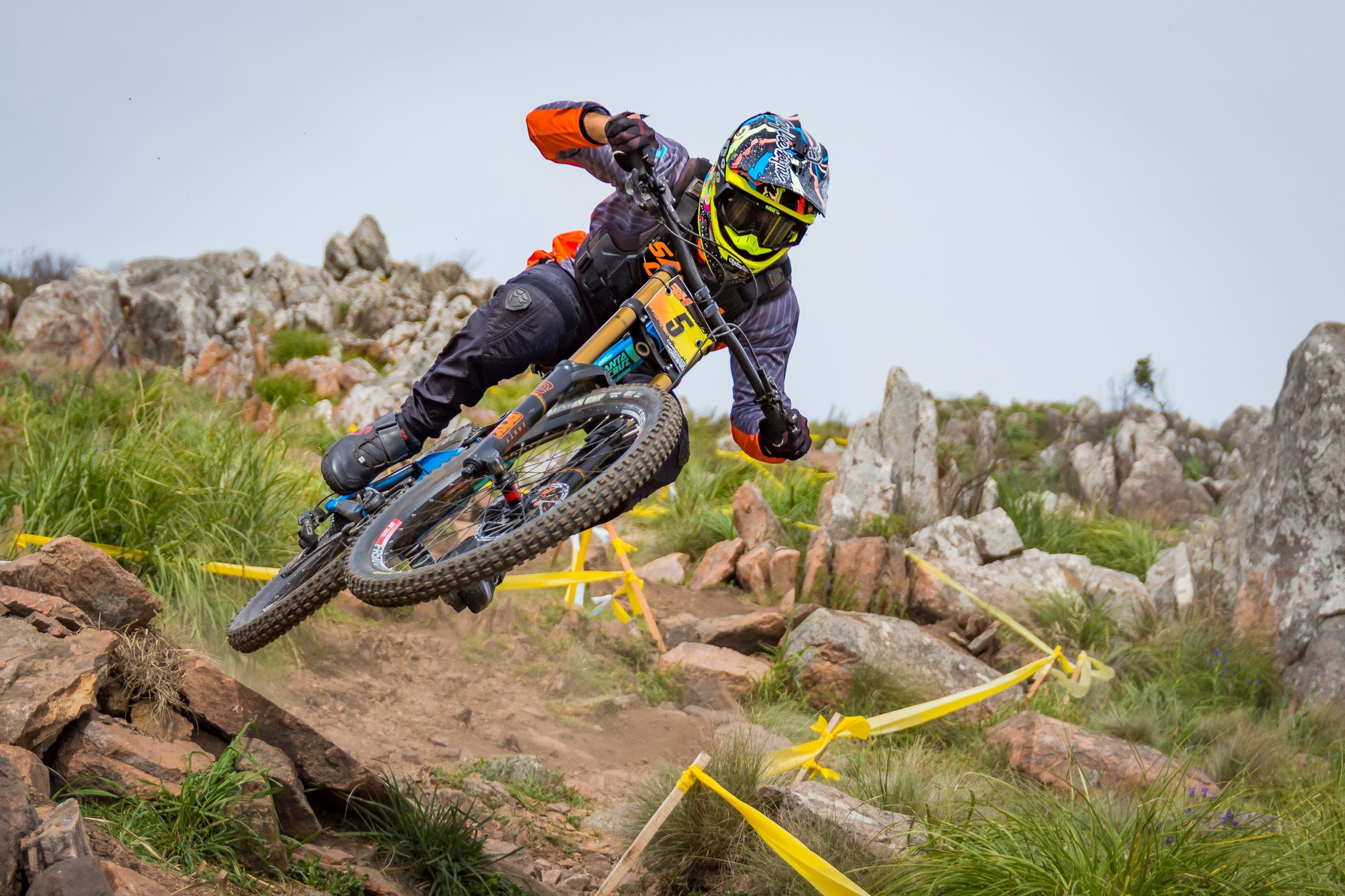
Each EWS round features between 4 and 8 timed stages. These are technical descents of 3 to 15 minutes on natural trails, with rock sections, roots, drops and tight turns. The final ranking is the sum of times across all stages.
Liaisons
Between stages, riders must reach the next start under their own power. That means pedaling uphill, sometimes for 30 to 60 minutes, on a 15 kg bike. Physical endurance is as important as riding skill.
Categories
- EWS: the elite world series (men and women)
- EWS-E: the e-bike enduro series (electric-assisted bikes)
- EWS100: amateur races on the same course
The 2026 calendar
The EWS calendar alternates between legendary spots and new destinations. Rounds typically run from March to October, with stages in Europe, North America, South America and Oceania.
| Round | Location | Period | Terrain |
|---|---|---|---|
| 1 | Zona Zero, Spain | March | Arid, technical |
| 2 | Madeira, Portugal | April | Volcanic, roots |
| 3 | Tweed Valley, Scotland | May | Wet, forested |
| 4 | Val di Fassa, Italy | June | Alpine, scree |
| 5 | Whistler, Canada | July | Bike park, roots |
| 6 | Crans-Montana, Switzerland | August | Alpine, technical |
| 7 | Finale Ligure, Italy | September | Mediterranean, flow |
| 8 | Loudenvielle, France | October | Pyrenean, committed |