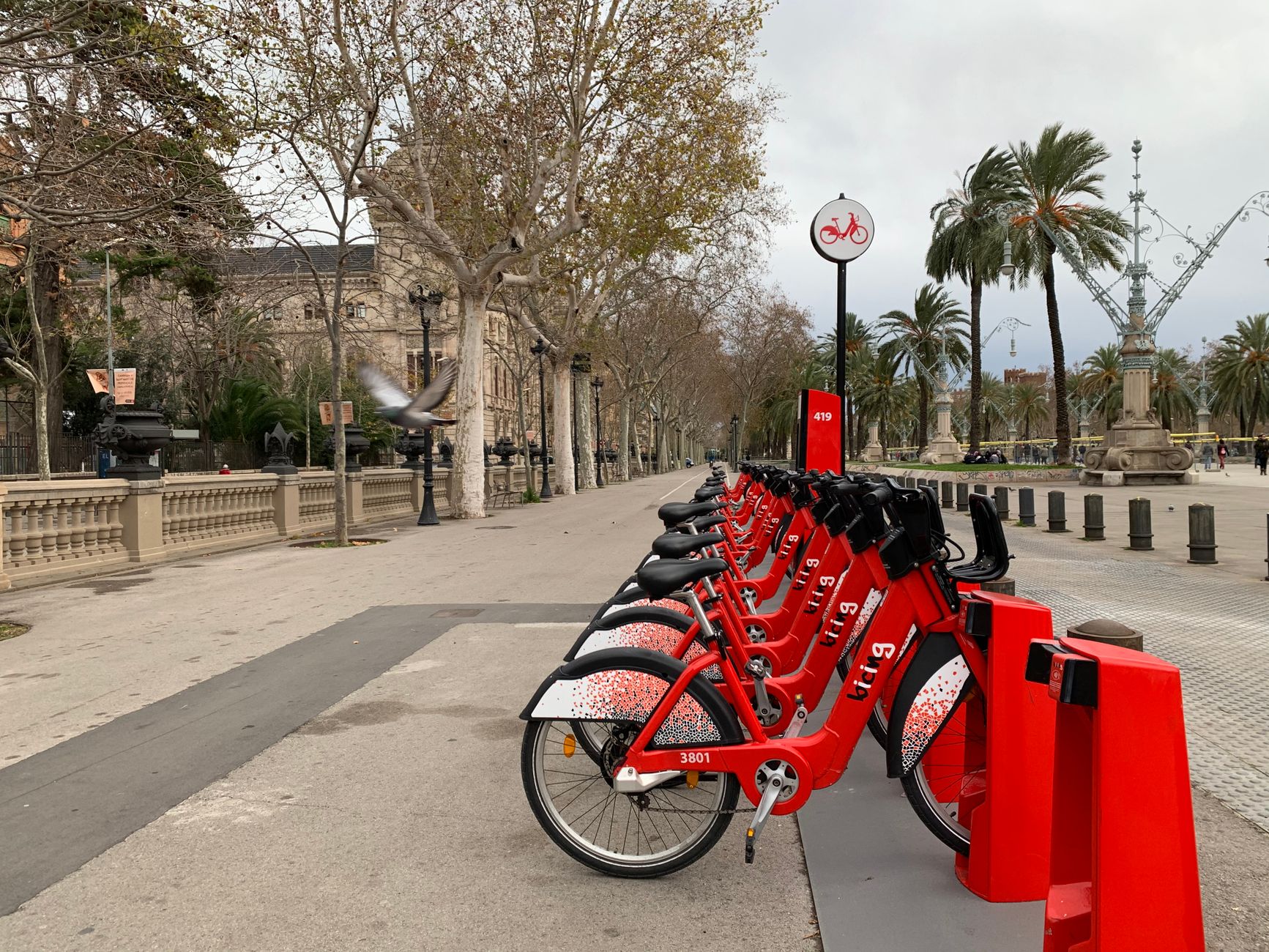

A recall campaign follows a simple circuit: the manufacturer identifies a defect, declares the campaign, then writes to the registered owners. The problem fits in one sentence: the registered owner is often the first buyer. On a machine that has changed hands twice, the letter goes to an out-of-date address and nobody knows a thing.
That is true of motorcycles, and even more so of electric bikes and cordless power tools, where traceability by serial number is weaker and where recalls very often concern batteries and chargers.
What a recall is, and what it is not
Three things get regularly confused:
- The safety recall: a defect that presents a risk to people. The work is free of charge, with no condition on the age of the vehicle or on warranty cover, and no mileage limit. It applies to the current owner, not to the original buyer.
- The service campaign or goodwill action: an annoying but not dangerous defect. Often covered, but not guaranteed, and usually limited in time.
- The technical bulletin aimed at the dealer network: an updated repair procedure. Nothing is given away, but it is valuable information when you are chasing the root of a recurring fault.
The three overlap: a defect handled through a technical bulletin for two years sometimes ends up as a safety recall.
Where to look, in practice
| Source | Coverage | What you find there |
|---|---|---|
| The national recall listings for consumer products | UK, non-food consumer goods | Recalls of bikes, e-bikes, batteries, tools, equipment |
| The government vehicle recall check service | UK, registered vehicles | Outstanding campaigns by make, model or VIN |
| Manufacturer's site, recall / safety notice section | Brand | Check by VIN or serial number |
| Dealer or authorised workshop | Brand | Direct query of the manufacturer's system |
For a motorcycle, the most reliable method remains the VIN check: the 17-character identification number, stamped on the frame and carried over onto the V5C logbook. Many manufacturers offer an online form that returns the open campaigns for that exact number. Failing that, a phone call to an authorised workshop with the VIN gives you the same answer in two minutes.
For an electric bike or a cordless tool, it is the serial number and the batch number that count, often printed under the battery or on a frame label. Recall notices publish the affected number ranges: the check is a visual one.
How to read a recall notice
A usable notice carries five pieces of information. If one is missing, ask for it before making the trip:
- The exact scope: VIN or serial number ranges, production dates. A model being named does not mean your particular machine is affected.
- The defect and the risk, described factually.
- The immediate instruction for use: ride normally, ride with caution, or stop using it. This point overrides everything else.
- The nature of the remedy: inspection, replacement of a part, software update.
- How long the machine will be off the road and whether parts are available.
Point 5 is where the real problems sit: on a mass recall, parts arrive in waves and the wait for an appointment stretches by several weeks. Booking early has genuine value.
The particular case of batteries
The majority of recent recalls on electric bikes and power tools concern cells, packs or chargers, with a risk of thermal runaway. Three reflexes:
- Never charge unattended a battery named in a notice, even while you are waiting for the appointment.
- Do not store it in a hallway, a stairwell or against an exit.
- Never replace a recalled pack with a generic one bought online. A pack that does not match the machine's BMS reproduces exactly the risk you were trying to avoid.
A recalled pack is taken back and destroyed through a dedicated channel. It does not go out with the household waste, and it is not resold.