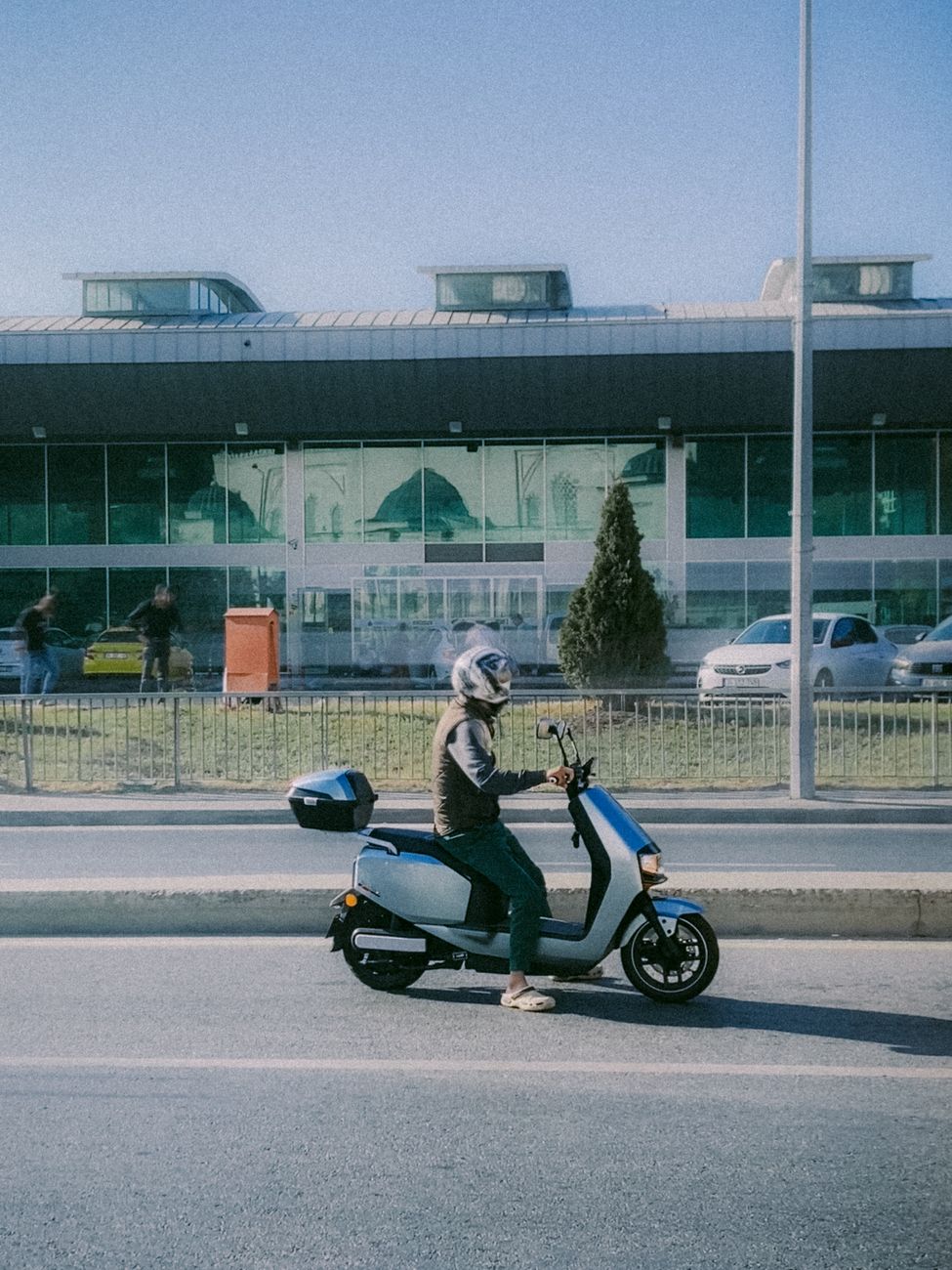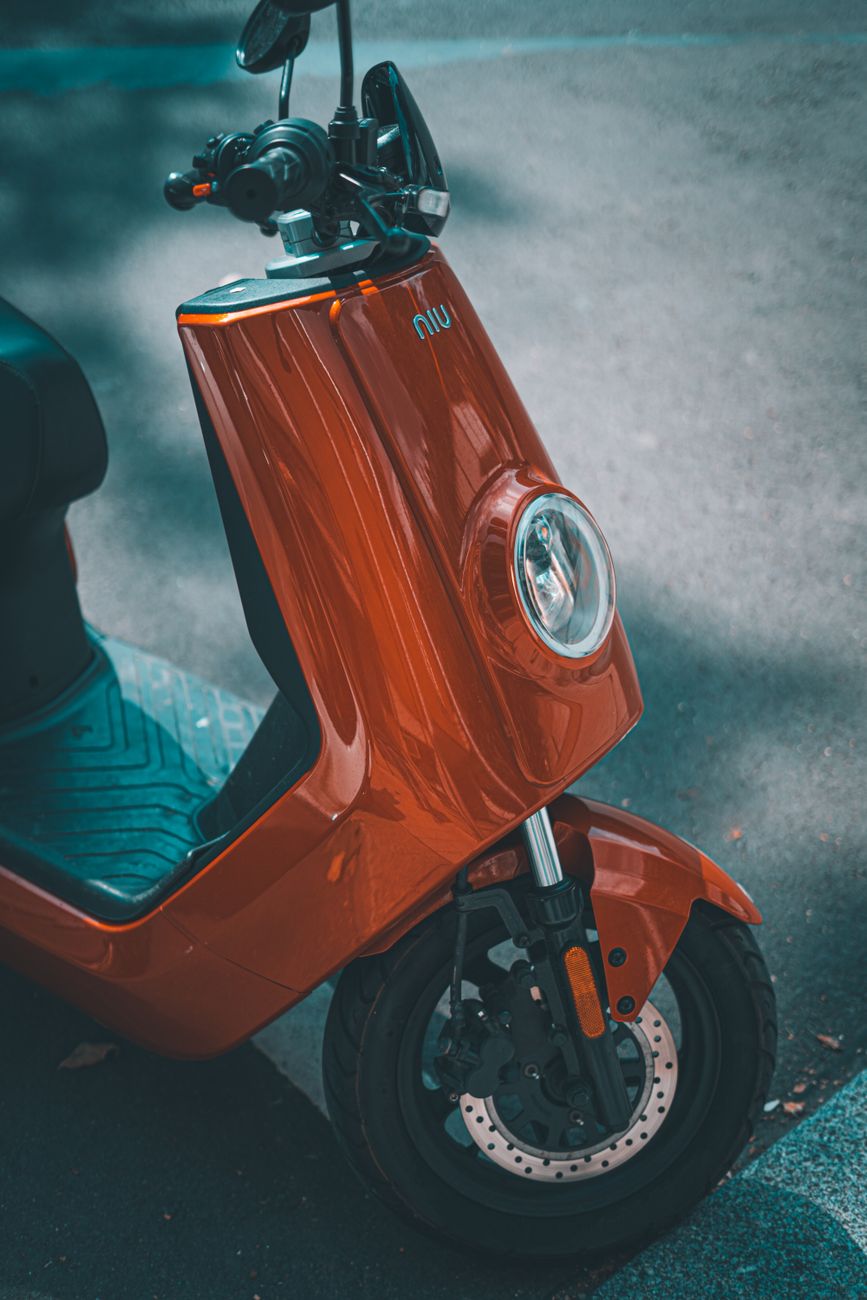
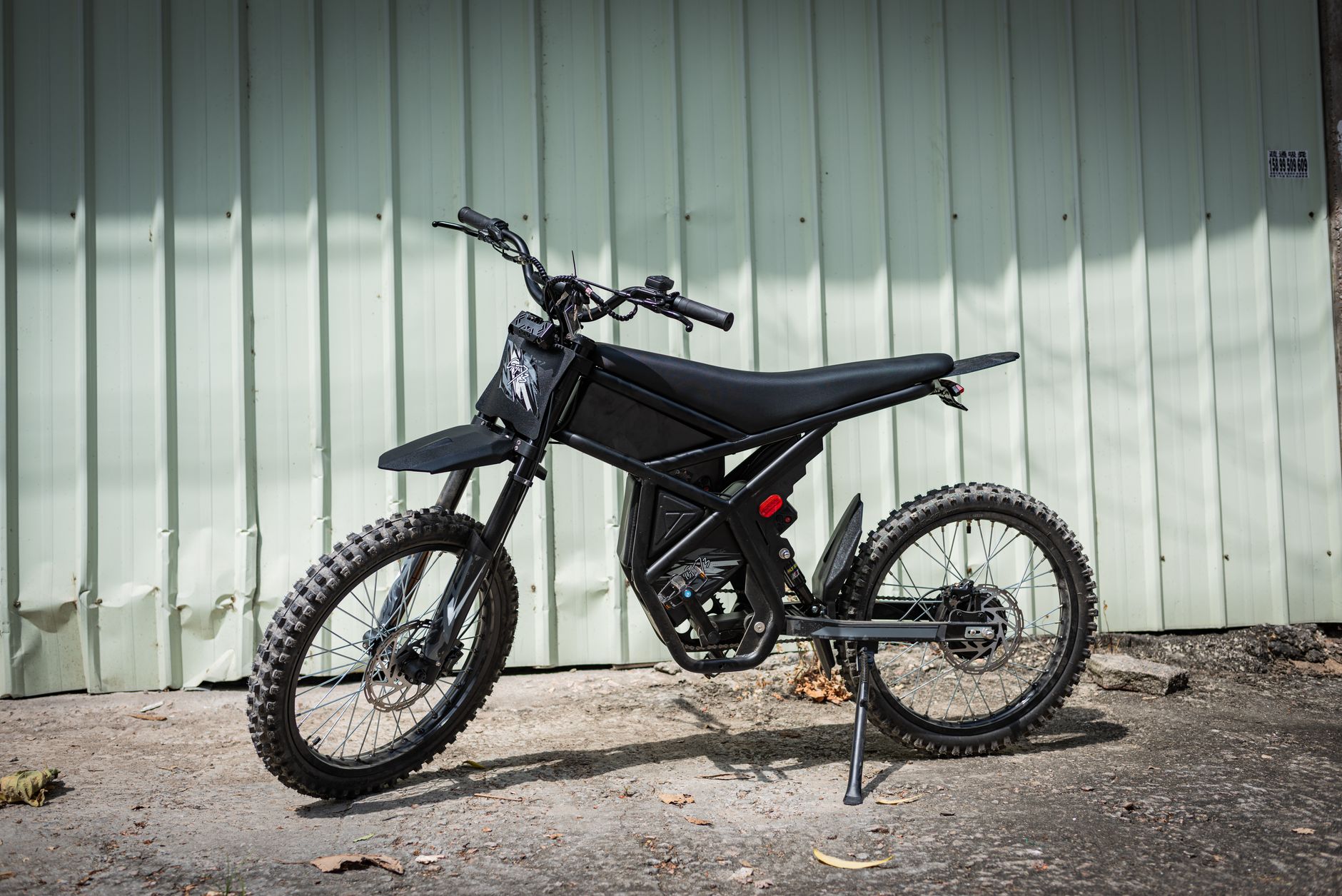
The Surron Light Bee created a category of its own: a light electric motorcycle somewhere between a mountain bike and a motocrosser, sold as an off-road model (the Light Bee X) and as a road-homologated version (L1e). The Chinese manufacturer documents its error codes in the workshop manual, and that is what we rely on here. Before the codes, one point that shapes everything else.
Off-road or L1e: not a detail
- The off-road version (standard Light Bee X) is not homologated for public roads. In the UK it belongs on private land or a track. Riding it on the road means riding an unregistered, untaxed vehicle that cannot carry valid road insurance: seizure by the police, prosecution, points on your licence and, after a crash, damages you pay yourself.
- Even on private land, check your insurance: specialist policies exist for non-road-legal motorcycles, and landowners and tracks usually require one.
- The L1e version is homologated as a moped (category L1e-B): speed limited to 45 km/h (28 mph), registration with the DVLA, insurance, and a moped licence (AM category, or CBT depending on your licence situation).
Derestricting an L1e, or "registering" an off-road bike by roundabout means, loses the homologation, and the insurance with it. For an overview of the rules country by country, see our comparison of motorcycle regulations in Europe.
How the Light Bee shows its codes
According to the workshop manual, when the battery or the controller detects a fault, the yellow warning light on the instrument comes on and an "Er-" code is displayed. That applies to models with a screen, such as the L1e.
On a Light Bee X without a screen, the same faults are read by counting the flashes of an LED via a diagnostic lead plugged into the loom. Importers and specialist dealers circulate the table matching the number of flashes to the Er code; ask yours for it rather than trusting a table copied without a source.
Be wary too of the "Surron codes 21 to 30" lists that circulate: they reuse the codes of generic e-bike displays and have nothing to do with the Light Bee's Er numbering.
Battery codes (Er-1xx)
| Code | Meaning (Surron manual) | Likely cause | What to do |
|---|---|---|---|
| Er-102 | Battery MOSFET temperature sensor fault | Battery electronics | Authorised workshop: repair or battery exchange |
| Er-103 | Battery soft-start failure | Battery electronics | Authorised workshop |
| Er-105 | Over-discharge protection | Empty battery | Charge |
| Er-106 | Charge MOSFET damaged | BMS | Authorised workshop |
| Er-107 | Discharge MOSFET damaged | BMS | Authorised workshop |
| Er-114 | Low-temperature protection | Battery too cold | Wait for a suitable temperature |
| Er-116 | Battery over-temperature protection | Battery too hot | Wait for it to cool |
| Er-117 | Battery over-temperature warning | Hot battery | Same |
| Er-118 | Cold battery | Low temperature | Ride once the temperature is back up |
| Er-119 | Over-discharge warning | Battery nearly empty | Charge |
| Er-120 | Battery MOSFET over-temperature warning | Heavy load | Let it cool |
Controller, motor and system codes (Er-2xx)
| Code | Meaning (Surron manual) | Likely cause | What to do |
|---|---|---|---|
| Er-201 | Controller over-temperature protection | Long climb, sustained full throttle | Let it cool |
| Er-202 | Power reduction due to controller over-temperature | Same | Same |
| Er-204 | Hall fault | Hall cable or connector, sensor | Check the Hall cable plug, then the motor |
| Er-205 | Phase loss | Phase cable or connector | Workshop |
| Er-206 | Overcurrent detected by software | Current spike | Workshop if repeated |
| Er-207 | Overcurrent detected by hardware | Current spike, fault | Workshop if repeated |
| Er-208 | Power MOSFET fault | Controller | Replace the controller |
| Er-209 | Current sensing fault | Controller | Replace the controller |
| Er-211 | Throttle signal wire short-circuited | Loom or twistgrip | Check the wire, then the twistgrip |
| Er-212 | Sudden start protection | Throttle not back to zero | Check throttle cable free play |
| Er-213 | Low-voltage protection | Low battery | Charge |
| Er-215 | Motor over-temperature protection | Motor too hot | Let it cool |
| Er-216 | Power reduction due to motor over-temperature | Same | Same |
| Er-217 | Battery communication (485 link) | Communication wire | Check the battery-controller link |
| Er-218 | Low battery charge | Low battery | Charge |
| Er-219 | Power reduction, hot battery | Temperature | Let it cool |
| Er-221 | Power reduction, low voltage | Low battery | Charge |
| Er-222 | Key power cut-off fault | Ignition switch | Check the key switch supply |
Most of these codes are protections (temperature, voltage) that clear on their own. Those pointing to broken electronics (Er-102 to 107, Er-208, Er-209) are not a home-garage repair.