
Winter doesn't forgive poor maintenance
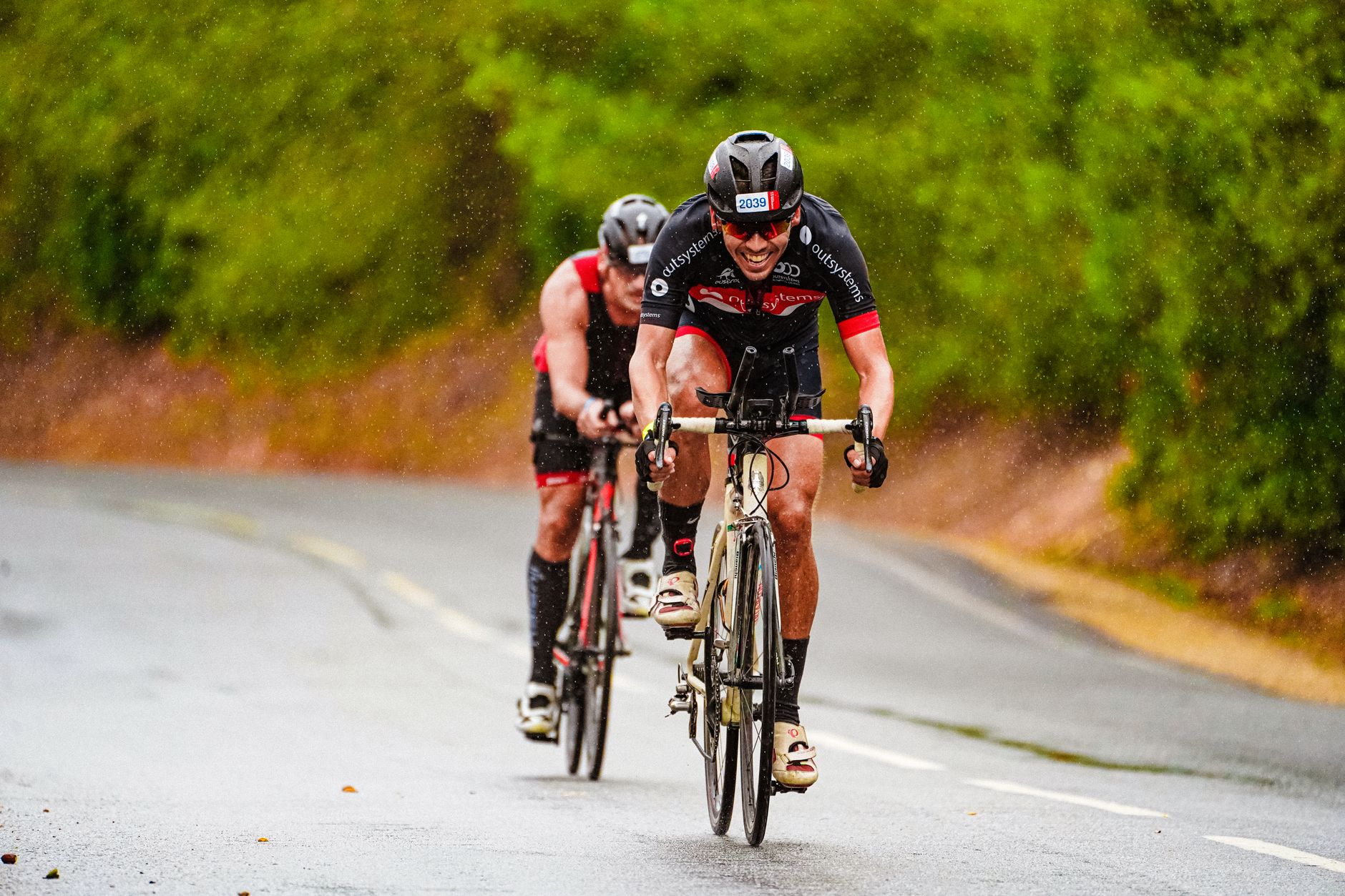
Road salt, muddy water, cold, and constant moisture are your bike's worst enemies. A bike that rides daily in winter without proper care will age 5 years in 3 months. But with the right habits, you can ride all winter without damage.
Physical protection — mudguards and frame
Mudguards: this is THE first investment. Without mudguards, dirty water sprayed by the front wheel hits the headset, bottom bracket, and chain directly. Rear wheel spray climbs up the seat tube and your back.
- Full mudguards (SKS Bluemels, Raceblade Pro): cover almost the entire wheel. Most effective
- Short mudguards (ass-saver, clip-on): better than nothing, but don't protect the drivetrain
- Clearance needed: 5-10 mm between tire and mudguard. If your frame can't fit full mudguards, a short one is always better than nothing
Frame protection:
- Clear protective film on exposed areas (chainstays, head tube, front triangle)
- Grease on all bottle cage and mudguard bolts during assembly (anti-seize)
- Quick rinse after every ride in rain or on salted roads — a low-pressure water spray is enough, never a pressure washer
Drivetrain — salt's enemy number 1
In winter, your drivetrain is in survival mode. Salt dissolved in road water attacks the steel of chain, chainrings, and cassette. Rust sets in within days if you don't act.
"Wet" lube is mandatory:
- In winter, use exclusively "wet" lubricant: Finish Line Wet, Muc-Off Wet, Squirt Long Lasting. This lube is more viscous and resists water
- NEVER use "dry" lube in winter — it'll be washed away by the first shower
- Application frequency: after every rainy ride, or every 200-300 km in dry weather
Frequent cleaning:
- Clean the chain with a chain cleaner device (Park Tool CM-5.3) or a rag soaked in degreaser every 300-500 km
- Wipe the cassette and chainrings with a dry cloth after every wet ride
- Don't forget the derailleur pulleys — they accumulate a black paste of grease + sand + salt that accelerates wear
Proactive replacement:
- Check chain wear every 500-800 km in winter (vs 1500 in summer). Salt accelerates wear by 50 to 100%
- Having a spare chain on hand prevents killing the cassette. A chain at 0.75% on a wear indicator must be changed immediately
Tires — wider, grippier
In winter, the road surface is often wet, greasy, covered with dead leaves or salt. Priority shifts from rolling efficiency to grip and puncture protection.
Recommendations:
- Mount a section 2 to 5 mm wider than your summer tires (e.g., go from 25 to 28 mm, or 32 to 35 mm). More volume = more contact = more grip
- Choose a soft compound (hard rubber loses grip in cold weather)
- Enable puncture protection: winter debris (glass, wire, gravel) punctures more than summer debris
- Tubeless: sealant is your best ally in winter. Remember to renew it every 2-3 months (it dries slower in cold weather, but check anyway)
Pressure:
- Lower pressure by 0.3 to 0.5 bar compared to summer to increase contact area
- On wet roads, a slightly under-inflated tire grips better than an over-inflated one
Dedicated winter tires:
- Schwalbe Marathon Winter (studs + tungsten pins): for ice
- Continental Contact Urban (winter compound): grip on cold wet surfaces
- Schwalbe Marathon GT 365: four-season compound optimized for cold
Lighting — legal requirement and vital safety
In winter, you often ride in darkness (morning and evening). Lighting isn't an accessory, it's survival equipment.
Minimum requirements (varies by country):
- White or yellow front light (steady or flashing)
- Red rear light (steady or flashing)
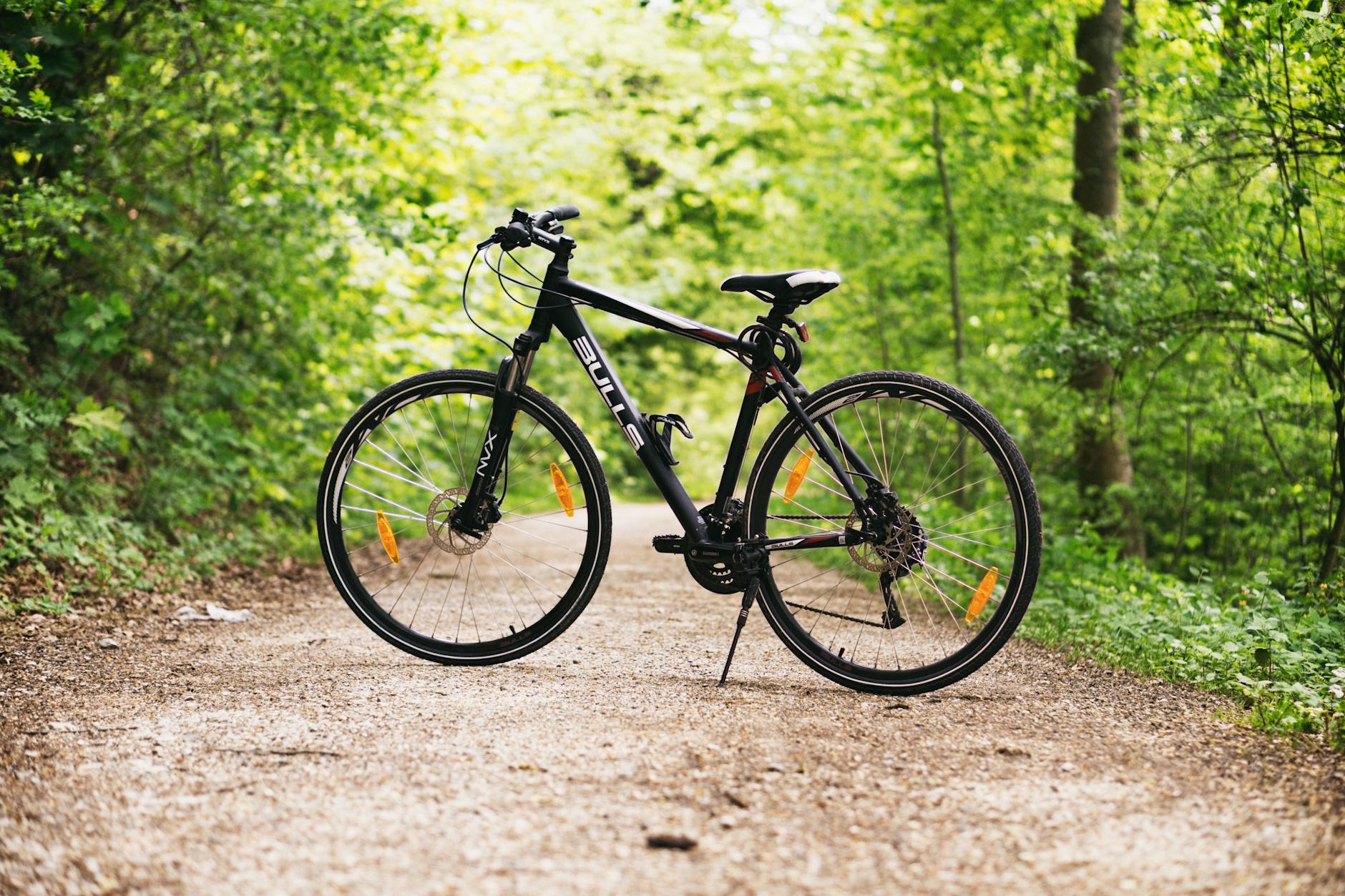
- Reflectors: orange on wheels, white front, red rear, orange on pedals
Technical recommendations:
- Front light: minimum 400 lumens to be seen AND see the road. A 100 lumen light in flash mode is enough to be seen, but not to see
- Rear light: minimum 50 lumens, pulse mode (more visible than steady or flashing)
- Battery life: choose lights with at least 3 hours of runtime on the mode you use. Lithium batteries lose capacity in cold (~20% at 0°C)
- USB rechargeable: a USB-rechargeable light is more practical than batteries (and more ecological)
Tip: wear reflective ankle bands. The pedaling motion makes them extremely visible to drivers — it's the most recognizable signal of a cyclist.