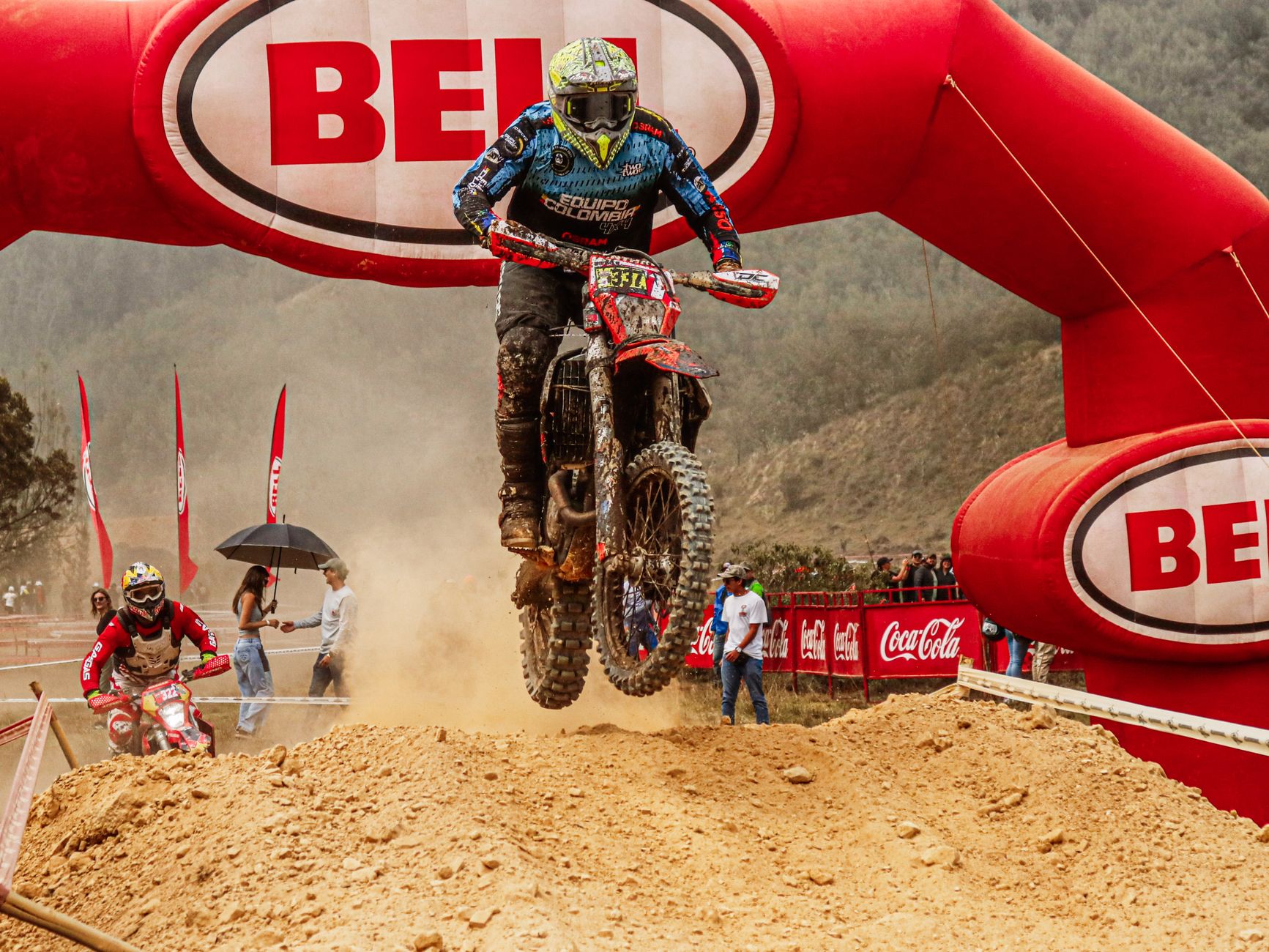

Two identical motorcycles, same year, same mileage, can differ by €1,000–1,500 at resale. The difference isn't mechanical: it's the file. A complete maintenance history transforms the buyer's risk perception, and risk is what brings down used prices.
What a complete service book proves
A used-bike buyer pays primarily for one thing: assurance they won't inherit a hidden problem. The service book and invoices answer their unspoken questions:
- Were manufacturer service intervals completed on schedule (often every 6,000–12,000 km depending on model)?
- Were model-specific critical points tracked: valve clearance checked/adjusted, timing belt or chain changed at interval, chain kit replaced, fluids current?
- Were there any major repairs (clutch, oil seal, cylinder head) — and are they documented?
A motorcycle with no history forces the buyer to mentally provision for the worst: they negotiate as if all major services are still due.
Building the file before posting
- Gather all invoices in chronological order, even small ones (tyres, brake pads, battery).
- Note the mileage at each service: this reconstructs a coherent curve and makes an odometer credible.
- Highlight major services already completed: "timing belt changed at 42,000 km", "valve clearance checked at last service" are price arguments, not side notes.
- Prepare legal paperwork (V5C logbook, an HPI/outstanding-finance check, an MOT if applicable): a clean administrative file speeds the sale as much as technical documentation.